
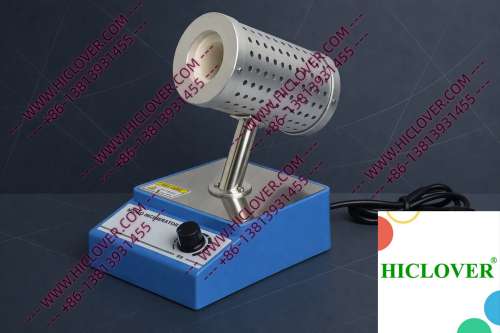
In the realm of laboratory work, ensuring biosafety and sterilization efficacy is crucial for preventing contamination and protecting research integrity. Traditional methods of sterilization using alcohol lamps and Bunsen burners pose several challenges, including the generation of aerosols and the potential for flame-related incidents. In response, innovators in the field have developed advanced solutions such as the Micro Incinerator, particularly the Infrared Inoculating Loop Sterilizer, designed to streamline sterilization workflows while enhancing safety and environmental considerations.
Practical Laboratory Challenges
Laboratories, especially those operating under BSL-2 and BSL-3 conditions, face stringent biosafety challenges. Effective sterilization must occur quickly to maintain workflow efficiency while minimizing risks associated with open flames. Moreover, in clinical diagnostics and university teaching labs, the need for an aerosol-free environment fosters an increased demand for reliable sterilization processes that comply with global standards.
Technical Principles of Infrared Inoculating Loop Sterilizers
Micro Incinerators utilize rapid thermal sterilization principles through infrared heat technology. These devices include an enclosed ceramic tube that generates high temperatures, typically reaching around 800°C to 1000°C, ensuring effective disinfection of microbiological loops and other instruments. This technology eliminates the drawbacks of conventional flame sterilizers, providing:
- Clean-bench-safe operations: Reducing the risk of contamination in sterile environments.
- Aerosol-free handling: Minimizing the dispersal of pathogens.
- Reduced fire hazards: Lack of an open flame enhances safety in sensitive lab environments.

Application Scenarios in Real Labs
Let’s explore how the Infrared Inoculating Loop Sterilizer integrates seamlessly into various laboratory settings:
Biosafety Cabinets
In a university laboratory where microbiology is taught, students frequently use workstations equipped with biosafety cabinets. Utilizing a Micro Incinerator ensures that all inoculating loops are rapidly and effectively sterilized between uses without disrupting the sterile conditions required for cell culturing. The compact design of the Micro Incinerator allows for easy integration into these workspaces, ensuring that students can maintain proper aseptic technique while enhancing their understanding of sterilization practices.
Mobile or Field Testing Labs
In contrast, field testing labs often encounter unique challenges, particularly when dealing with biological samples from various environments. In these scenarios, portability is key, and the Infrared Inoculating Loop Sterilizer excels by being lightweight and easy to power through portable battery systems. This capability enables field researchers to perform sterilizations on-site, keeping their equipment safe and keeping microbiological samples uncontaminated during collection and analysis.
Compliance with Biosafety Standards
Adhering to international biosafety standards, such as those set by the World Health Organization (WHO), is non-negotiable in laboratory settings. When comparing sterilization methods, the Micro Incinerator poses a significant advantage:
“Micro Incinerators facilitate compliance with laboratory sterilization standards by offering a clean, flame-free solution, rendering them suitable for clean rooms where safety is paramount.”
Moreover, regions like Europe and North America have stringent regulations concerning laboratory safety, necessitating that laboratories upgrade to safer, more efficient sterilization options to meet these demands.
Advantages vs. Traditional Flame Sterilizers
While traditional flame sterilizers, such as alcohol lamps and Bunsen burners, have been long-time staples in microbiological practices, the benefits of Micro Incinerators are increasingly evident. The table below summarizes these advantages:
| Aspect | Micro Incinerator | Flame Sterilizers |
|---|---|---|
| Heat Source | Infrared technology | Open flame |
| Risk of Contamination | Minimal | High (aerosols) |
| Portability | High | Medium |
| Energy Efficiency | High | Variable |
| Biosafety Compliance | Excellent | Moderate |
Frequently Asked Questions
1. What are the primary advantages of using a Micro Incinerator in laboratory settings?
The Micro Incinerator offers a safe, efficient, and quick method for sterilizing instruments without the use of open flames, minimizing contamination risks and improving compliance with biosafety standards.
2. How does the Infrared Inoculating Loop Sterilizer promote workflow efficiency?
By allowing rapid and effective sterilization of inoculating loops, the Infrared Sterilizer ensures that laboratory processes are streamlined, reducing downtime during experiments.
3. In what types of labs is the Micro Incinerator most beneficial?
This equipment is particularly ideal for BSL-2 and BSL-3 laboratories, clinical diagnostics facilities, teaching labs, and field testing operations.
4. Is the Micro Incinerator compliant with international biosafety regulations?
Yes, the Micro Incinerator meets or exceeds the biosafety standards set by organizations like the WHO, ensuring safe and effective sterilization processes.
5. Can the Micro Incinerator be used in mobile lab settings?
Absolutely! The device is lightweight and can function on battery power, making it perfect for use in mobile and field-testing laboratories.
Conclusion
The future of eco-friendly waste disposal in laboratories is not only about managing waste efficiently but also about ensuring that sterilization methods are safe, effective, and compliant with health standards. The Micro Incinerator, especially the Infrared Inoculating Loop Sterilizer, represents a significant leap forward in meeting these demands. For laboratories seeking to enhance their sterilization processes, adopting this innovative equipment is vital for improving safety and workflow efficiency. Contact us today to learn more about how the Micro Incinerator can transform your laboratory experience!
Categories:
Tags: