
As laboratories face increasing biosafety challenges and stringent sterilization workflow demands, the need for innovative and effective sterilization solutions has become paramount. Traditional methods, such as alcohol lamps and Bunsen burners, often fall short when it comes to rapid thermal sterilization, contamination control, and safety in clean room environments. This is where modern technologies like the Micro Incinerator, or Infrared Inoculating Loop Sterilizer, come into play.
Technical Principles Behind Micro Incineration Technology
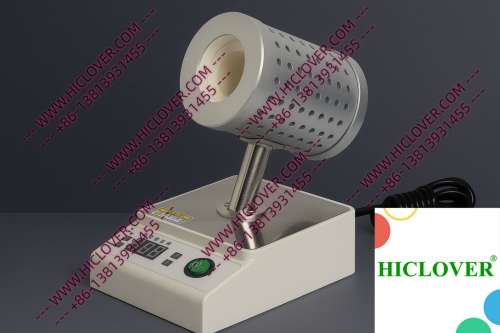
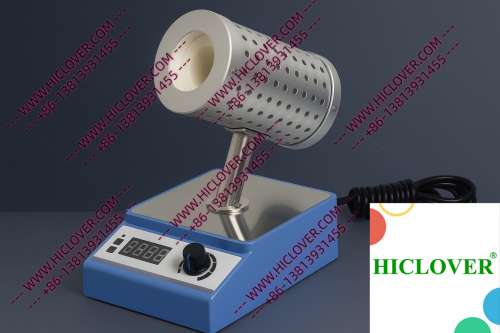
The Micro Incinerator employs infrared heating technology housed within an enclosed ceramic tube. By focusing high temperatures directly onto instruments, this method achieves rapid and efficient sterilization without generating aerosols or open flames. The ceramic heating chamber provides uniform heat distribution, ensuring that tools are sterilized thoroughly in seconds. Operating at temperatures that can exceed 800°C, the Micro Incinerator effectively eliminates a variety of pathogens while allowing for clean-bench-safe handling.
Key Advantages Over Traditional Flame Sterilizers
- Safety: The absence of an open flame significantly reduces fire hazards and enables safe usage in biosafety cabinets.
- Efficiency: Instruments can be sterilized in a matter of seconds, streamlining laboratory processes.
- Contamination Control: Reduces the risk of contamination that can occur with flame-based methods.
- Environmentally Friendly: Unlike traditional methods, which can produce harmful emissions, micro incinerators offer a cleaner alternative.
- What is the operating principle of a Micro Incinerator? The Micro Incinerator utilizes infrared heating technology within a ceramic tube to sterilize instruments quickly and effectively.
- Can the Micro Incinerator be used in biosafety cabinets? Yes, its design allows safe and efficient sterilization within biosafety cabinets, minimizing risks associated with pathogen handling.
- How does the Micro Incinerator compare to traditional flame sterilizers in terms of safety? The Micro Incinerator eliminates the fire hazards associated with open flames, making it a safer choice in a laboratory setting.
- What types of laboratories benefit from using a Micro Incinerator? BSL-2 and BSL-3 labs, clinical diagnostics, and educational teaching labs are among those that can greatly benefit from this advanced technology.
- Is the Micro Incinerator environmentally friendly? Yes, it provides a cleaner sterilization solution by reducing harmful emissions associated with traditional flame methods.
Application Scenarios in Real Labs
Biosafety Cabinets
In BSL-2 and BSL-3 microbiology laboratories, maintaining strict biosafety protocols is essential. When working with potentially infectious materials, the Micro Incinerator ensures that instruments can be efficiently sterilized without risking contamination. The ability to sterilize within a confined space allows for safer handling, especially when conducting tests on pathogens, thus enhancing the overall safety protocols of such labs.
Field Testing
Mobile testing laboratories, often deployed in remote areas, require reliable sterilization equipment that is both portable and effective. The Micro Incinerator fits this need perfectly. Its lightweight design allows for easy transport, while its advanced sterilization capabilities ensure that field researchers can safely handle samples without the worry of introducing contaminants. Whether testing for infectious diseases or conducting environmental assessments, this technology ensures compliance with laboratory standards even in non-traditional settings.
Compliance and Environment Considerations
Adhering to global standards is crucial for healthcare facilities. The World Health Organization (WHO) has outlined biosafety requirements that laboratories must follow to minimize risks associated with infectious agents. The Micro Incinerator meets these stringent standards by providing a reliable method of sterilization that reduces the risk of microbial transmission. Moreover, with an increasing focus on reducing laboratory emissions, modern technologies like micro incinerators are becoming indispensable in the push toward sustainable lab operations.
Furthermore, the absence of open flames in clean rooms aligns with laboratory sterilization standards and enhances safety protocols, especially in environments dealing with sensitive equipment like CO₂ incubators or anaerobic chambers.
Product Comparison: Micro Incinerator vs. Flame Sterilizers
| Feature | Micro Incinerator | Flame Sterilizer |
|---|---|---|
| Operating Temperature | Over 800°C | Varies |
| Safety | No open flames | High risk of fire |
| Sterilization Time | Seconds | Varies, often longer |
| Contamination Risk | Low | Higher due to flame exposure |
| Environmental Impact | Lower | Can produce harmful emissions |
Frequently Asked Questions
Conclusion
The Micro Incinerator and Infrared Inoculating Loop Sterilizer represent the forefront of hospital waste management and laboratory sterilization technology. By incorporating this innovative equipment into laboratory workflows, institutions can enhance biosafety compliance, streamline sterilization processes, and reduce the overall risk of contamination. If you’re looking to upgrade your sterilization equipment, consider reaching out to a reliable distributor today to learn more about the Micro Incinerator and its applications in your specific laboratory environment.
Categories:
Tags: