
In modern laboratories, particularly within BSL-2 and BSL-3 environments, effective infection control is paramount. Traditional sterilization methods often face significant challenges regarding efficiency, safety, and compliance with stringent biosafety standards. As laboratory workflows evolve, the demand for innovative sterilization equipment becomes increasingly important. One such breakthrough is the Micro Incinerator or Infrared Inoculating Loop Sterilizer, designed to streamline lab sterilization processes while enhancing safety and effectiveness.
Understanding the Technical Principles of Micro Incinerators
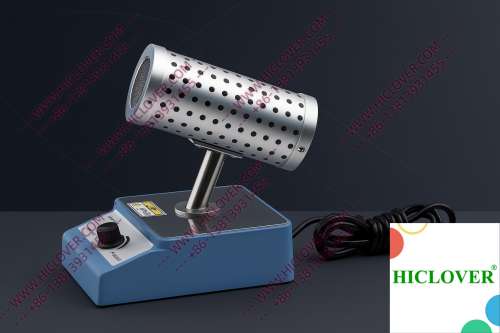
At the heart of Micro Incinerators lies the advanced principle of infrared heat generation. These devices utilize a ceramic heating chamber that generates intense infrared radiation, providing rapid thermal sterilization. The enclosed design ensures that the sterilization process is both efficient and contained, significantly reducing the risk of contamination. Unlike traditional flame-based sterilizers such as alcohol lamps and Bunsen burners, the infrared technology eliminates the presence of an open flame, minimizing combustion-related hazards and improving safety within the laboratory setup.
Applications in Real Laboratories
Micro Incinerators find applications in various laboratory settings, demonstrating their versatility and effectiveness. Below are two prominent scenarios where these devices greatly enhance sterilization workflows:
- Biosafety Cabinets: In high-containment labs, Micro Incinerators can be integrated into biosafety cabinets. Here, researchers can sterilize inoculating loops and other lab tools in an aerosol-free environment, preventing airborne contamination and ensuring that samples remain uncontaminated during experiments.
- Field Testing Labs: Mobile and field-testing labs often face logistical challenges, including the need for portable yet reliable sterilization solutions. Micro Incinerators offer a compact and efficient alternative, enabling on-site sterilization of tools without the risks associated with traditional flame methods, thus ensuring high standards of contamination control in various environments.
- What is the primary advantage of using a Micro Incinerator in the lab? The key benefit lies in its rapid thermal sterilization capability combined with enhanced safety features.
- Can Micro Incinerators be used in BSL-3 labs? Yes, Micro Incinerators are suitable for BSL-3 labs, meeting the necessary biosafety compliance.
- How do Micro Incinerators ensure contamination control? Their enclosed design and infrared technology prevent the release of aerosols, safeguarding sample integrity.
- What types of tasks are best suited for a Micro Incinerator? Ideal tasks include sterilizing inoculating loops, surgical instruments, and other lab tools in sterile environments.
- Are Micro Incinerators environmentally friendly? Yes, they consume less energy compared to conventional flame sterilizers, contributing to lower overall environmental impact.
Compliance and Environmental Considerations
Adhering to established biosafety and sterilization standards is crucial for laboratories worldwide. Organizations such as the World Health Organization (WHO) have set guidelines that necessitate the use of non-flame sterilization methods in clean rooms and other sterile environments. The Micro Incinerator is compliant with these standards, showcasing its capability to operate without the risks associated with flames in clean environments. This adherence not only ensures laboratory safety but also enhances operational efficiency.
As regulations become increasingly stringent, laboratories in cities like London, New York, and Tokyo are experiencing heightened scrutiny regarding their sterilization practices. Incorporating cutting-edge sterilization equipment such as Micro Incinerators can thus align with compliance expectations while promoting a safe workspace.
Advantages Over Traditional Flame Sterilizers
When comparing Micro Incinerators to traditional flame sterilizers, several advantages become apparent:
| Feature | Micro Incinerator | Flame Sterilizer |
|---|---|---|
| Sterilization Speed | Rapid thermal sterilization | Slower due to flame adjustment |
| Contamination Control | Aerosol-free handling | Higher aerosol risk |
| Safety | No open flame | Open flame hazards present |
| Energy Efficiency | Lower energy consumption | Higher energy costs |
Frequently Asked Questions
Conclusion
As laboratories navigate the complexities of infection control and sterilization workflow demands, the Micro Incinerator stands out as a valuable asset. With its advanced infrared technology and enclosed design, it provides an efficient, safe, and compliant means for sterilization in various lab settings. For laboratories looking to enhance their operational safety and efficiency, investing in a Micro Incinerator can be a crucial step towards improved biosafety standards and superior laboratory practices.
To learn more about the Micro Incinerator or to discuss purchasing options, please contact us today. Equip your lab with the latest in sterilization technology and elevate your infection control measures.
Categories:
Tags: