
Maintaining stringent hygiene standards is paramount in laboratory environments, especially in scenarios requiring biosafety, such as in BSL-2 and BSL-3 microbiology labs. As laboratories grapple with increasing demands for sterilization efficiency and reliability, innovative solutions are required to enhance contamination control and promote safe working practices. Enter the Micro Incinerator, also known as the Infrared Inoculating Loop Sterilizer, a cutting-edge technology that promises to reshape laboratory sterilization workflows.
Challenging Sterilization Workflows
Laboratories frequently encounter contamination risk during routine tasks that involve inoculating loops and other instruments. Traditional flame sterilizers, such as alcohol lamps and Bunsen burners, while widely used, pose significant challenges. They produce emissions that can create hazardous environments and may introduce additional risks, notably in clean rooms or when working with volatile substances. Effective sterilization requires rapid thermal sterilization methods that are safe, efficient, and compliant with biosafety standards.
Understanding the Micro Incinerator’s Technology
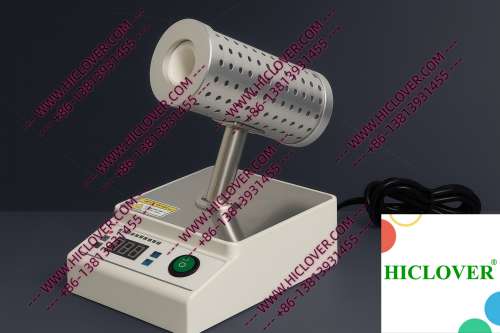
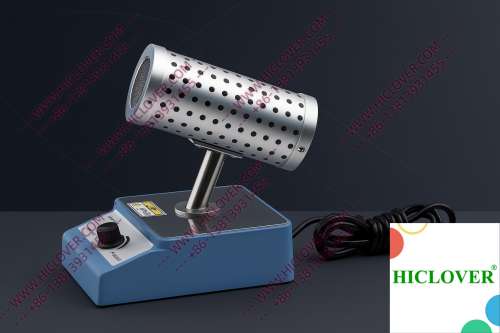
The Micro Incinerator utilizes a ceramic heating chamber, which is powered by infrared technology to deliver high-temperature disinfection. This innovative design allows for a more controlled and powerful heating mechanism compared to traditional flame-based equipment. Unlike flames, the heat produced is directed in a contained manner, minimizing the risk of accidents and ensuring that the area remains clean-bench-safe.
- Infrared Heat Transfer: The device emits focused infrared energy, promoting rapid thermal sterilization that can reach temperatures exceeding 800°C.
- Enclosed Ceramic Tube: The compact and enclosed design helps prevent cross-contamination and maintains a sterile environment.
- Ease of Use: Features such as quick heating times, minimal energy consumption, and aerosol-free handling facilitate routine laboratory procedures.
Real Lab Applications
Application Scenario 1: Biosafety Cabinets
In high-containment laboratories, including those handling biological safety levels 2 and 3, the Micro Incinerator can significantly improve the overall workflow. Used within biosafety cabinets, it allows for efficient sterilization of inoculating loops, thus maintaining a safe environment by reducing the presence of aerosols or flame risks. This ensures that personnel are protected while manipulating sensitive samples.
Application Scenario 2: University Teaching Labs
Academic institutions, particularly universities with teaching labs, can benefit from integrating the Micro Incinerator into their laboratory setups. Students and instructors can perform sterilization processes with peace of mind, knowing they are using a state-of-the-art device that enhances safety. The ease of use and rapid sterilization capabilities allow for more efficient lab sessions and thorough learning experiences.
Compliance and Environmental Considerations
Adherence to international biosafety protocols is critical for all laboratories. The World Health Organization (WHO) outlines stringent guidelines for laboratory safety that include effective sterilization methods that align with best practices. The Micro Incinerator not only meets these guidelines but also supports standards set by regulatory bodies for lab sterilization. Unlike traditional flame sterilizers, it does not emit harmful fumes, making it suitable for environments where air quality is paramount, such as clean rooms and clinical diagnostics settings.
Comparative Analysis: Micro Incinerator vs. Traditional Flame Burners
| Feature | Micro Incinerator | Flame Burners |
|---|---|---|
| Temperature Control | Precise infrared heating | Variable flame intensity |
| Contamination Risk | Minimized aerosols | Potential for flame spread |
| Ease of Use | One-button operation | Requires manual flame management |
| Compliance with Lab Standards | High compliance levels | Variable compliance based on use |
Frequently Asked Questions
What is the main advantage of using a Micro Incinerator over flame sterilizers?
The Micro Incinerator offers precise temperature control, reduced risk of contamination, and improved safety, particularly in clean room environments.
Can the Micro Incinerator be used in field testing laboratories?
Yes, the compact design and rapid sterilization time make it an ideal tool for mobile and field testing labs.
Is the Micro Incinerator suitable for university laboratories?
Absolutely, it enhances the safety and efficiency of teaching labs, allowing for effective mentorship in biosafety practices.
How does the Micro Incinerator align with WHO biosafety standards?
The Micro Incinerator adheres to international biosafety protocols by eliminating hazards associated with traditional flame methods.
Is the equipment energy efficient?
Yes, the Micro Incinerator consumes less energy while providing high-temperature disinfection, making it a sustainable choice.
Conclusion
In the evolving landscape of laboratory hygiene, the Micro Incinerator stands as a testament to innovation, balancing efficiency, safety, and compliance seamlessly. For laboratories seeking to elevate their sterilization practices, embracing this technology can lead to substantial workflow improvements while ensuring a safe environment. If you’re ready to enhance your laboratory’s safety and efficiency, contact us today to explore purchasing options for the Micro Incinerator or request further information!
Categories:
Tags: