
In the expansive field of biotechnology and microbiological research, maintaining stringent laboratory biosafety standards is crucial. The rapid increase in laboratory activity, especially in Vietnam, has brought to light the inherent challenges associated with sterilization workflows. Traditional methods of sterilization, such as alcohol lamps and Bunsen burners, often present risks of flame-related accidents and hinder efficient contamination control. To address these pressing laboratory needs, advanced sterilization equipment like the Micro Incinerator, also known as the Infrared Inoculating Loop Sterilizer, is emerging as a formidable solution.
Understanding the Technology: Infrared Heat and Enclosed Ceramic Tubes
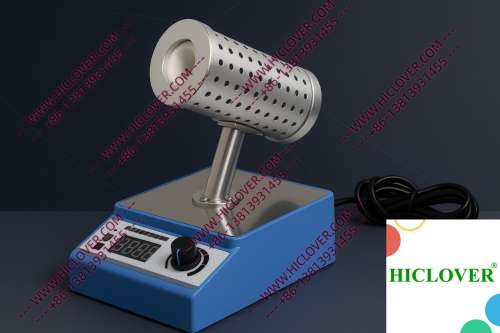
The Micro Incinerator utilizes innovative infrared heat technology, harnessing electromagnetic radiation to produce high temperatures rapidly and efficiently. This device features an enclosed ceramic tube, which serves as a heating chamber; as such, it is capable of achieving peak temperatures well above 800°C. This ensures rapid thermal sterilization of inoculating loops and other tools while minimizing the risk of cross-contamination. The design is clean-bench-safe, ensuring that sensitive samples remain uncontaminated.
Compared to traditional flame sterilizers, the Micro Incinerator provides a host of advantages including:
- Consistent Temperature Control: Unlike flame sterilizers that may vary in temperature, the Micro Incinerator maintains stable heat, ensuring complete sterilization.
- Aerosoft-Free Handling: The device negates flame emissions, substantially reducing the release of aerosols or byproducts, which is essential within microbiological safety cabinets.
- Efficiency in Workflow: The ease of operation promotes rapid turnover in laboratory processes, boosting overall productivity.
- Adherence to established WHO biosafety guidelines for containment and sterilization.
- Alignment with national regulations on laboratory sterilization standards.
- Support for the creation of aerosol-free environments during testing and manipulation of biohazardous materials.
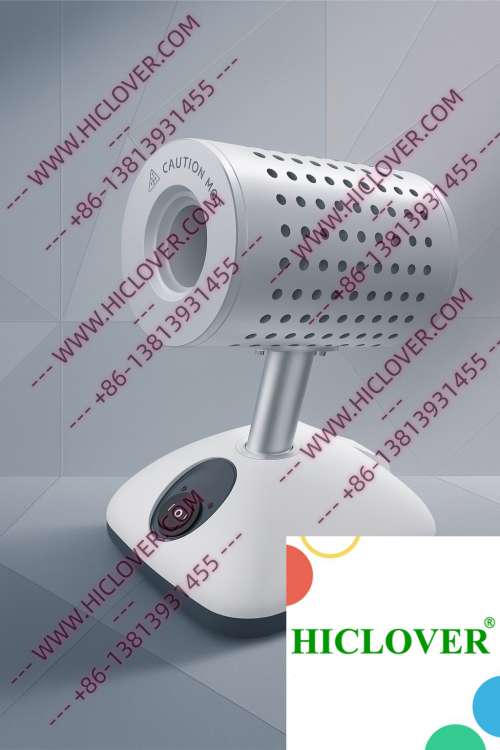
Application Scenarios
1. Clinical Diagnostics Labs
In clinical diagnostic settings, where precision is paramount, the Micro Incinerator is indispensable. Labs operate under BSL-2 and BSL-3 conditions, necessitating strict adherence to biosafety protocols. The device is often positioned within biosafety cabinets, allowing for safe inoculation loop sterilization without the risks associated with open flames. During routine checks or microbial isolation specimens, the Micro Incinerator serves to decontaminate tools effectively, promoting a sterile environment that enhances test accuracy.
2. University Teaching Labs
In educational institutions, the Micro Incinerator is transforming laboratory training regimes. Teaching labs often deal with a high volume of student traffic, increasing the risk of contamination. By implementing the infrared sterilizer, educators can safely demonstrate microbiological techniques without substantial hazards. Students can observe real-time sterilization of inoculating loops, further enhancing their understanding of sterile techniques while adhering to safety guidelines. The compact size of the Micro Incinerator allows it to fit seamlessly into the available space without detracting from laboratory workflow.
Compliance and Environmental Considerations
The integration of advanced sterilization technologies such as the Micro Incinerator aligns with various international biosafety standards issued by organizations like the WHO. Compliance with laboratory sterilization guidelines not only minimizes risks associated with pathogens but also supports safe environments for research and clinical practices. Moreover, with a focus on no flame in cleanrooms, the Micro Incinerator significantly reduces fire hazards, making it a suitable choice for sterile production areas, clean rooms, and laboratories using CO₂ incubators or anaerobic chambers.
Key compliance benchmarks include:
Comparison: Micro Incinerator vs. Flame Burners
| Feature | Micro Incinerator | Flame Burners |
|---|---|---|
| Temperature Stability | Consistent | Variable |
| Safety | No open flame | Open flame risk |
| Efficiency | Rapid sterilization | Slower turnaround |
| Contamination Risk | Minimal | Higher due to aerosols |
FAQs About the Micro Incinerator
What is a Micro Incinerator?
The Micro Incinerator is an advanced loop sterilizer that utilizes infrared technology for rapid thermal sterilization of inoculating loops and other lab instruments.
How does the Micro Incinerator improve biosafety?
By eliminating open flames, the Micro Incinerator significantly reduces the risk of fire hazards and aerosol generation, promoting a safer laboratory environment.
Is the Micro Incinerator suitable for educational labs?
Yes, its ease of use and safety features make it ideal for university teaching labs, allowing students to learn sterile techniques effectively.
How quickly does the Micro Incinerator sterilize instruments?
The sterilization process is rapid, often taking mere seconds to achieve complete disinfection with the infrared heating system.
What precautions should be taken when using a Micro Incinerator?
While the Micro Incinerator is designed for safety, users should still follow standard lab safety protocols, including wearing appropriate personal protective equipment (PPE).
Conclusion
As laboratories in Vietnam continue to evolve and grow, adopting advanced sterilization methods like the Micro Incinerator is essential for maintaining biosafety, improving workflow efficiency, and adhering to global standards. By transitioning to infrared inoculating loop sterilizers, laboratory professionals can ensure optimal contamination control while promoting a safer working environment. For more information or to make a purchase, please contact us today.
Categories:
Tags: