
In any laboratory, especially those operating under BSL-2 or BSL-3 conditions, maintaining a sterile environment is paramount. The sterilization workflow must not only be efficient but also capable of responding to various biosafety challenges such as contamination control, rapid turnaround times, and maintaining the integrity of sensitive biological materials. The need for robust sterilization technologies has led to the evolution of lab equipment that minimizes risks associated with traditional methods.
Understanding Micro Incinerators
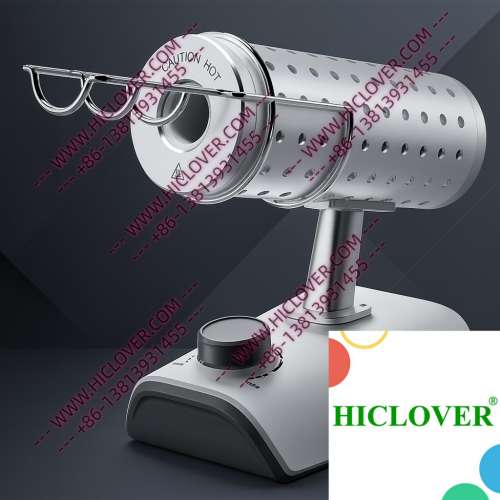
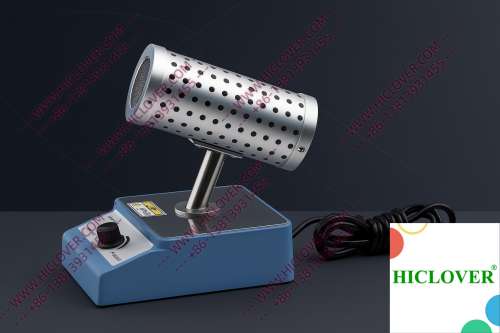
One of the key advancements in laboratory sterilization is the use of Micro Incinerators or Infrared Inoculating Loop Sterilizers. These sophisticated devices leverage infrared high-temperature disinfection techniques, using an enclosed ceramic tube and rapid thermal sterilization principles to achieve effective sterilization without the need for open flames.
- Infrared Heat Technology: The principle relies on the emission of infrared heat, which ensures uniform heating and eliminates cooling zones, effectively killing microbial contaminants.
- Enclosed Ceramic Chamber: The ceramic tube design not only retains heat for consistent sterilization but also minimizes aerosol generation, contributing to a cleaner lab environment.
- Low Maintenance Needs: Unlike traditional flame sterilizers requiring fuel and regular maintenance, Micro Incinerators offer a plug-and-play solution with low operational costs.
Comparison with Traditional Flame Sterilizers
| Feature | Micro Incinerator | Flame Sterilizer |
|---|---|---|
| Temperature Control | Uniform and precise | Variable, dependent on flame type |
| Maintenance | Low | Regular refueling and cleaning |
| Safety | Enclosed, no open flames | Open flame, risk of fire hazards |
| Environment | Minimal environmental impact | Produces aerosols, higher pollution potential |
Application Scenarios in Real Labs
1. Biosafety Cabinets
Micro Incinerators find extensive application within biosafety cabinets, where maintaining sterile conditions is critical. Laboratories engaged in clinical diagnostics often utilize these devices for quickly sterilizing inoculating loops and other small instruments. Due to their ability to reach high sterilizing temperatures rapidly, researchers can continue their work without prolonged downtime, ultimately increasing productivity.
2. University Teaching Labs
In educational settings, particularly in university teaching labs, Micro Incinerators are advantageous for demonstrations and practical lessons. Students can safely practice sterilization techniques without the fear associated with handling open flames. This promotes a better understanding of sterile methods while simultaneously adhering to safety protocols.
Compliance and Environmental Considerations
Compliance with biosafety regulations is critical for laboratory operations. Organizations like the WHO emphasize the importance of adhering to sterilization standards to safeguard public health. Implementing low-maintenance technologies like Micro Incinerators not only helps achieve compliance but also aligns with guidelines preventing the use of open flames in clean rooms and sensitive research areas.
The issues surrounding flame sterilizers in clean environments, compounded by the potential for aerosol generation, underscore the necessity for safer alternatives. Laboratories need equipment that meets stringent disinfection standards while reducing operational risks.
FAQs About Micro Incinerators
What is a Micro Incinerator?
A Micro Incinerator is a compact sterilization device that uses infrared heat to effectively sterilize inoculating loops and small instruments without open flames.
Are Micro Incinerators more efficient than flame sterilizers?
Yes, they provide uniform heating, which enhances sterilization efficiency, and eliminate the risks associated with flame burn hazards.
Can a Micro Incinerator be used in clinical labs?
Absolutely! Their design and safety features make them suitable for clinical labs and other high-stakes environments.
How does it compare with traditional sterilizers in terms of maintenance?
Micro Incinerators require minimal maintenance compared to traditional flame sterilizers, which need regular fuel refills and cleaning.
What safety protocols are associated with using a Micro Incinerator?
Safety protocols include ensuring proper ventilation and using the device according to manufacturer instructions, which minimizes risk and maximizes efficiency.
Conclusion
As laboratories continue to evolve in their methods and demands, opting for innovative sterilization technologies like Micro Incinerators signifies a forward-thinking approach to biosafety and workflow improvement. Investing in modern solutions not only enhances efficiency but also promotes a safer environment. For high-quality Micro Incinerator and Infrared Inoculating Loop Sterilizer options, please contact us or explore our catalog today.
Categories:
Tags: