
In today’s rapidly evolving laboratory environments, maintaining rigorous biosafety standards is paramount. Contamination control is a driving concern, especially in microbiology labs dealing with sensitive specimens in BSL-2 and BSL-3 conditions. As such, laboratory sterilization equipment must not only meet industry standards but also adapt to the intricate workflows required by researchers and clinicians alike. The introduction of advanced sterilization systems, particularly the Micro Incinerator / Infrared Inoculating Loop Sterilizer, is transforming the landscape of laboratory sterilization, offering efficient, effective solutions that address these challenges.
Technical Principles of Micro Incinerators
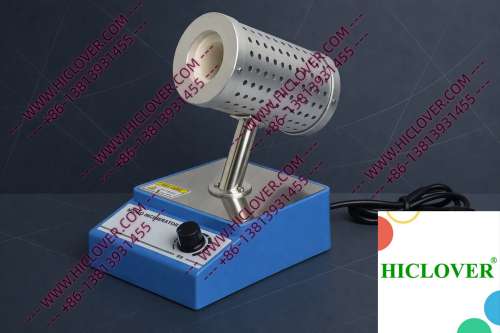
The Micro Incinerator operates on the principle of infrared rapid thermal sterilization, utilizing a ceramic heating chamber to achieve high-temperature disinfection without the risks associated with traditional flame-based methods. Unlike Bunsen burners or alcohol lamps, this innovative device achieves temperatures of up to 850°C through concentrated infrared heat that is adept at eradicating microbial contaminants. The enclosed ceramic tube not only provides thermal insulation but also enhances the control of the sterilization process, ensuring that a sterile environment is maintained.
Advantages Over Traditional Flame Sterilizers
Micro Incinerators provide numerous advantages when compared to traditional flame sterilizers:
- Enhanced Safety: No open flames mean reduced fire hazards and lower risks of burns or accidents in the lab.
- Aerosol-free Handling: The infrared sterilization method minimizes aerosol production, reducing contamination risks.
- Temperature Accuracy: Precise temperature control guarantees complete sterilization without the risk of overheating.
- Portability: Many models are compact and easy to operate, making them suitable for fieldwork or mobile laboratory settings.
Applications in Real Labs
Field Testing and Clinical Diagnostics
In clinical diagnostics, where experiments often take place in a biosafety cabinet, the Micro Incinerator serves an essential role in ensuring that inoculating loops are sterilized quickly between samples. This prevents cross-contamination and maintains the integrity of sensitive bacterial cultures.
University Teaching Labs
In educational settings, particularly in microbiology courses at universities, the Micro Incinerator provides students with a hands-on experience utilizing cutting-edge sterilization technology. The device’s ease of use and rapid sterilization capabilities allow instructors to demonstrate essential techniques efficiently within teaching lab settings.
Compliance and Environmental Considerations
Concerns surrounding biosafety and laboratory compliance are more prevalent than ever. Organizations such as the World Health Organization (WHO) have established guidelines that dictate sterilization practices to mitigate risks associated with microbial infections. For clean rooms, especially in pharmaceutical production or medical research environments, the absence of open flames is not just preferable but often a regulatory requirement. Micro Incinerators adhere to these stringent lab sterilization standards, ensuring that regulatory compliance is met without sacrificing effectiveness. This makes them invaluable across various regions, including urban lab settings in Los Angeles or Tokyo, where compliance with safety mandates is critical.
Comparison Table: Micro Incinerator vs. Traditional Flame Sterilizers
| Feature | Micro Incinerator | Flame Sterilizers |
|---|---|---|
| Temperature Control | Yes, up to 850°C | Varies, difficult to regulate |
| Open Flame | No | Yes |
| Aerosol Production | Minimal | High |
| Portability | Highly portable | Less portable |
| Application Areas | Biosafety cabinets, field labs | Standard labs |
Frequently Asked Questions
1. What makes a Micro Incinerator safer than a Bunsen burner?
Micro Incinerators eliminate the risks associated with open flames, thus lowering the likelihood of burns or fire-related accidents.
2. Can Micro Incinerators be used in field testing?
Yes, their compact design and portability make them ideal for use in field testing and mobile laboratory operations.
3. How do Micro Incinerators comply with WHO biosafety standards?
By providing a safer alternative to open flames, Micro Incinerators adhere to established biosafety protocols while ensuring effective sterilization.
4. Is there a risk of overheating specimens when using a Micro Incinerator?
With precise temperature control, the risk of overheating is significantly reduced, offering a reliable method for sterilization.
5. Where can I purchase a Micro Incinerator for my lab?
Micro Incinerators can be sourced from various laboratory supply distributors; contact us to find the best options for your specific needs.
Conclusion
As laboratory environments advance towards increased safety and efficiency, adopting innovations like the Micro Incinerator / Infrared Inoculating Loop Sterilizer is essential. These devices not only enhance contamination control but also align with regulatory requirements, paving the way for a secure and compliant workspace. Whether in a university teaching lab, clinical setting, or in the field, the benefits of rapid sterilization are clear. Contact us today to learn more about how these state-of-the-art products can enhance your laboratory operations.
Categories:
Tags: