
In the dynamic environment of laboratory work, maintaining biosafety is critical. From microbiology to clinical diagnostics, sterilization workflow demands have never been more pressing. Traditional methods such as alcohol lamps and Bunsen burners have been the stalwarts of sterilization; however, they can pose significant risks in sensitive environments. The rise of Micro Incinerators, specifically Infrared Inoculating Loop Sterilizers, presents a safer, more efficient alternative for labs striving for optimal contamination control.
The Technical Principles Behind Infrared Sterilization
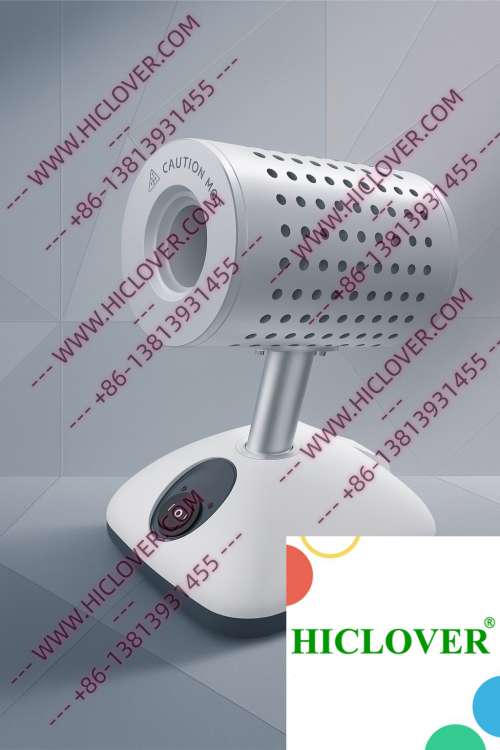
Micro Incinerators operate on the principle of rapid thermal sterilization through infrared technology. Unlike traditional flame sterilizers, these devices employ an enclosed ceramic heating chamber that generates high temperatures—typically exceeding 800°C—without an open flame. This design significantly minimizes the risk of unintended fires, making them ideal for use in clean rooms, biosafety cabinets, or even mobile laboratory setups.
- Enhanced Safety: The absence of an open flame reduces hazards in labs where flammable materials might be present.
- Immediate Sterilization: The infrared heating method allows for instantaneous heating, providing immediate sterilization of inoculating loops and other tools.
- Reduced Aerosol Generation: Unlike traditional methods, the infrared sterilization process prevents the creation of aerosols, further enhancing biosafety for laboratory personnel.
Application Scenarios in Modern Laboratories
Understanding how Infrared Inoculating Loop Sterilizers function can effectively improve laboratory practices across various settings:
Biosafety Cabinet Usage
In BSL-2 and BSL-3 microbiology labs, where the risk of pathogenic organisms is significant, these sterilizers provide an ideal solution. When working within a biosafety cabinet, researchers can quickly sterilize inoculating loops without worrying about flame-generated fumes or potential spills from alcohol used in traditional methods.
Field Testing Laboratories
Mobile labs conducting environmental sampling or testing can significantly benefit from the compact design and portability of Micro Incinerators. Their lightweight configuration allows for easy transportation and quick setup in field locations, ensuring that contamination control standards are upheld even in less controlled environments.
Compliance with Biosafety Standards
Globally recognized organizations, including the World Health Organization (WHO), recommend strict sterilization protocols to ensure both laboratory and public safety. Micro Incinerators align with these protocols by providing a flame-free sterilization method that meets international lab standards.
In clean room environments, using flame sterilizers often poses compliance issues due to potential fire hazards and the release of harmful chemicals. Infrared sterilizers eliminate these risks, making them compliant with lab safety standards, thus allowing seamless integration into environments governed by stringent regulatory frameworks.
Comparison of Micro Incinerators and Traditional Flame Sterilizers
| Feature | Micro Incinerator | Flame Sterilizer |
|---|---|---|
| Temperature Control | Rapid, precise infrared heating | Variable, flame-dependent |
| Safety | Flame-free operation | Open flame hazards |
| Aerosol generation | None | Potentially high |
| Maintenance | Low for heating elements | Regular cleaning necessary |
Frequently Asked Questions
1. How does an Infrared Inoculating Loop Sterilizer work?
The device uses infrared technology to heat a ceramic chamber, achieving rapid sterilization without an open flame.
2. Can these sterilizers be used in field testing?
Absolutely! The portability of Micro Incinerators makes them ideal for field testing environments where quick sterilization is essential.
3. How do Micro Incinerators enhance laboratory safety?
They eliminate open flames, reducing fire hazards and aerosol generation, thus protecting laboratory personnel and maintaining a sterile environment.
4. Are there specific regulations for using these sterilizers in a cleanroom?
Yes, the absence of flames and harmful chemicals makes Micro Incinerators compliant with cleanroom operational safety standards.
5. What are the temperature ranges for effective sterilization?
Micro Incinerators typically reach temperatures above 800°C, ensuring effective sterilization of instruments in minutes.
Conclusion: Elevate Your Laboratory Practice Today
In an era where laboratory safety and efficiency are paramount, the transition to Micro Incinerator technology presents a revolutionary step forward. Whether you’re a research center, hospital, or university, embracing infrared inoculating loop sterilizers enhances compliance while minimizing risks associated with traditional flame sterilizers. Explore our offerings and contact us today to elevate your laboratory sterilization practices.
Categories:
Tags: