
Laboratory biosafety has become more crucial than ever, especially as we grapple with increasing demands for rapid thermal sterilization and effective contamination control in various research environments. In laboratories across Brazil, the need for hygienic and reliable sterilization equipment is paramount. Among the innovative solutions available, the Micro Incinerator / Infrared Inoculating Loop Sterilizer stands out, offering exceptional benefits over traditional flame sterilizers such as alcohol lamps and Bunsen burners.
The Evolution of Laboratory Sterilization Equipment
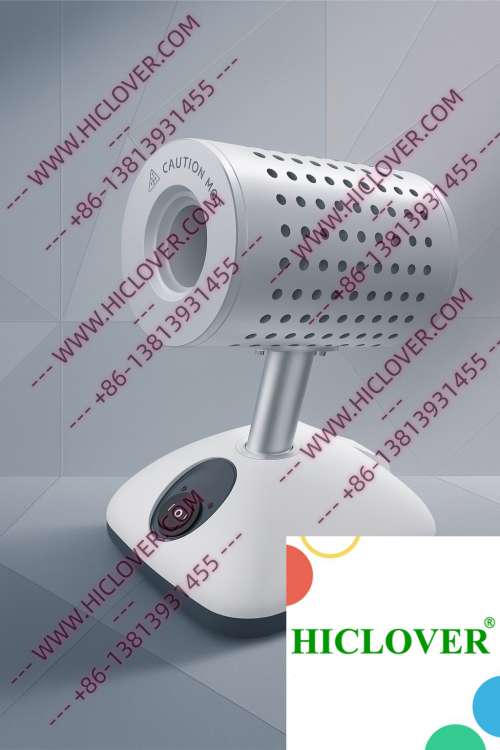
As laboratory workflows evolve, so do the requirements for sterilization equipment. While traditional flame sterilizers have long been the go-to option for bacteriological research, their limitations have become apparent in modern laboratory applications. Loop sterilizers, particularly those utilizing infrared heat technology, represent a significant advancement in this area.
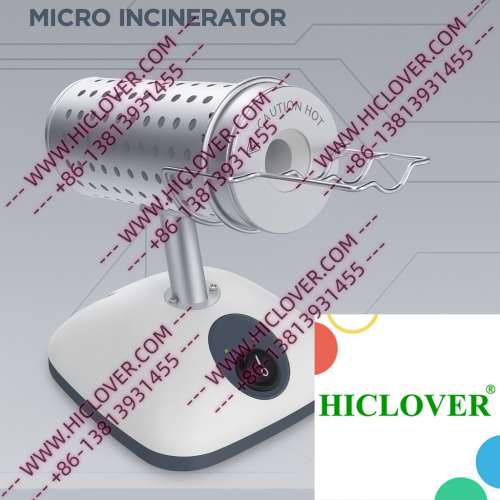
Unlike traditional methods, which can produce aerosols and require open flames, the Micro Incinerator operates using an enclosed ceramic tube that generates intense infrared heat, ensuring high-temperature disinfection without the risks associated with flames. This technology not only enhances safety but also increases the speed of the sterilization process.
Applications of the Micro Incinerator in Modern Labs
- Biosafety Cabinets: In BSL-2 and BSL-3 microbiology labs, where strict contamination control is vital, the Micro Incinerator can be incorporated seamlessly into biosafety cabinets. By eliminating the open flame, it provides a safe method of sterilizing inoculating loops and other equipment while maintaining a clean environment.
- Field Testing: For researchers working in mobile or field testing labs, the Micro Incinerator offers portability and ease of use. Its rapid heating capability allows for efficient sterilization in environments where conventional methods may not be practical, thus ensuring sample integrity.
- University Teaching Labs: In an educational setting, safety is of utmost importance. The Micro Incinerator reduces the risk of accidents compared to flame methods, making it an ideal choice for teaching labs where students are learning sterile techniques.
- What makes the Micro Incinerator preferable to traditional flame sterilizers?
It offers rapid thermal sterilization, enhanced safety with no open flames, and improved contamination control. - Can I use the Micro Incinerator in a clean room setting?
Yes, the enclosed design and lack of flames make it ideal for clean bench scenarios and sterile environments. - Is the Micro Incinerator energy-efficient?
Absolutely, it consumes significantly less energy compared to traditional flame methods. - What are the applications of the Micro Incinerator in various lab settings?
It is suitable for BSL-2 and BSL-3 labs, teaching laboratories, and field testing environments. - Does the use of a Micro Incinerator comply with WHO biosafety guidelines?
Yes, it aligns with WHO standards by minimizing risks associated with aerosol production and fire hazards.
Compliance and Environmental Considerations
Adhering to biosafety standards is critical for laboratories to operate effectively and ethically. The World Health Organization (WHO) has stringent guidelines for laboratory sterilization practices, emphasizing the use of equipment that minimizes aerosol production and fire hazards. Traditional flame sterilizers often fall short in this regard, posing risks in sterile environments like clean rooms.
By utilizing the Micro Incinerator, laboratories not only comply with these regulations but also improve their overall safety profile. With no open flames, researchers can work confidently in controlled settings, whether in clinical diagnostics, teaching, or research applications. This compliance goes hand-in-hand with a sustainable approach, as the Micro Incinerator consumes less energy compared to conventional flame sterilizers. Lower energy consumption translates to a reduced carbon footprint, aligning with global sustainability efforts.
Advantages of the Micro Incinerator
When comparing the Micro Incinerator to traditional flame burners, several key advantages emerge:
| Feature | Micro Incinerator | Flame Burners |
|---|---|---|
| Heat Source | Infrared | Open Flame |
| Contamination Control | Closed system reduces aerosol production | Higher risk of aerosol generation |
| Speed | Rapid thermal sterilization | Longer heat-up times |
| Safety | No open flames | Potential fire hazards |
| Energy Efficiency | Lower energy consumption | Higher energy consumption |
Frequently Asked Questions
Conclusion
The evolution of sterilization techniques in laboratories, particularly in Brazil, calls for innovative solutions like the Micro Incinerator / Infrared Inoculating Loop Sterilizer. Its combination of rapid thermal sterilization and a focus on biosafety makes it an essential addition to modern laboratories. By making the switch from traditional flame sterilizers, labs not only enhance their operational safety but also contribute to a greener environment. For your laboratory sterilization needs, consider contacting us today to explore our range of Micro Incinerators and transform your workflows.
Categories:
Tags: