
Laboratories worldwide are continuously evolving to meet stringent biosafety standards and to enhance the efficiency of sterilization workflows. Traditional methods, such as Bacti-Cinerators, while effective, often pose various challenges in terms of safety, contamination control, and adaptability in modern laboratory environments. In response to these challenges, innovative equipment like the Micro Incinerator and Infrared Inoculating Loop Sterilizer are emerging as preferable alternatives.
Practical Laboratory Biosafety Challenges
Maintaining a sterile environment is paramount in any laboratory, especially in settings like BSL-2 and BSL-3 microbiology labs where pathogens are handled. Flame-based sterilization methods can generate aerosols and other hazards that increase the risk of contamination. As a result, laboratory personnel often face a dual challenge: ensuring a sterile workspace while minimizing potential exposure to harmful biological agents.
Advantages of Infrared Heat Sterilization
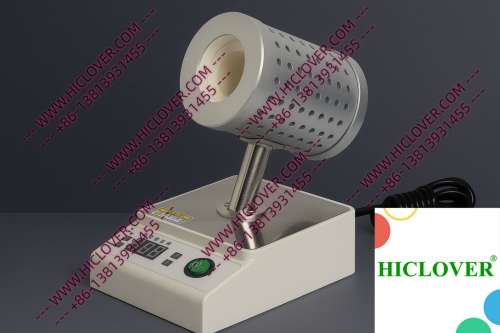
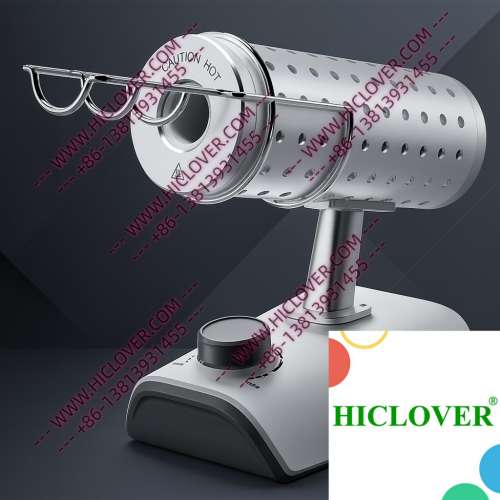
Micro Incinerators employ rapid thermal sterilization through infrared heat, which offers significant advantages over traditional flame sterilizers such as alcohol lamps and Bunsen burners. The key features of these modern devices include:
- Enclosed Ceramic Tube: The ceramic heating chamber ensures efficient, localized heating while preventing exposure to open flames.
- Aerosol-Free Handling: Infrared heat eliminates the risk of creating aerosols, thereby enhancing safety in sensitive laboratory environments.
- Clean-Bench-Safe Design: Suitable for use within biosafety cabinets, ensuring that sterilization does not compromise the sterile environment of the working area.
- WHO guidelines on laboratory biosafety.
- ISO/IEC 17025:2017 standards for laboratory equipment.
- National Institutes of Health (NIH) recommendations for BSL-2/BSL-3 laboratories.
Applications of Micro Incinerators
1. In University Teaching Labs
In educational institutions, the Micro Incinerator is increasingly adopted due to its user-friendly design and ability to provide a controlled sterilization process. This equipment allows students to gain hands-on experience in sterilization techniques without the risks associated with flame sterilizers. Additionally, since these labs operate under diverse protocols, the adaptability of infrared sterilization contributes to efficient learning and practical understanding.
2. In Clinical Diagnostics
Clinical diagnostic laboratories require stringent sterilization protocols to prevent cross-contamination. The Micro Incinerator’s rapid sterilization capability ensures that inoculating loops and other tools can be reused promptly without compromising test integrity. This rapid turnaround is especially important in high-throughput environments where time is critical.
Compliance with Biosafety Standards
Laboratory sterilization is governed by various standards set forth by organizations such as the World Health Organization (WHO). Among these requirements, the use of flame-based equipment is discouraged in cleanroom environments because it can introduce contamination. The Micro Incinerator aligns well with these guidelines, promoting an aerosol-free and contained process that upholds compliance without sacrificing efficiency.
Key Compliance References
Comparative Analysis: Micro Incinerator vs. Flame Sterilizers
| Feature | Micro Incinerator | Flame Sterilizer |
|---|---|---|
| Heating Method | Infrared | Open flame |
| Contamination Control | High (aerosol-free) | Medium (risk of aerosol generation) |
| Compliance with Cleanroom Standards | Yes | No |
| Safety for Users | High | Medium (risk of burns) |
| Response Time | Rapid | Variable |
Frequently Asked Questions
What is an Infrared Inoculating Loop Sterilizer?
It is a device that utilizes infrared heat to sterilize inoculating loops and other laboratory instruments quickly and efficiently, providing a safer alternative to flame sterilizers.
How does the Micro Incinerator improve laboratory efficiency?
By eliminating the time spent managing flame-based sterilization, the Micro Incinerator allows for rapid turnaround of tools, ultimately saving time and reducing risk of contamination.
Are Micro Incinerators suitable for field testing labs?
Yes, their compact design and efficient sterilization capabilities make them ideal for use in mobile or field testing labs where adherence to biosafety is crucial.
Is it safe to use a Micro Incinerator within a biosafety cabinet?
Absolutely. Its clean-bench-safe design ensures that sterilization can occur without disrupting the sterile environment of the cabinet.
How does it compare to traditional sterilization methods?
Micro Incinerators provide faster, safer, and more effective sterilization than traditional flame methods, reducing aerosol production and enhancing compliance with current biosafety guidelines.
Conclusion
The transition from traditional flame sterilizers to advanced sterilization technology like the Micro Incinerator or Infrared Inoculating Loop Sterilizer represents a significant advancement in laboratory protocols. These devices not only meet the strict biosafety standards but also enhance the efficiency and safety of laboratory workflows. For laboratories looking to upgrade or refine their sterilization practices, investing in a Micro Incinerator is a future-proof decision. Contact us today to learn more about how our products can benefit your laboratory’s sterilization needs.
Categories:
Tags: