
In the ever-evolving landscape of laboratory biosafety, maintaining the highest standards of sterilization is paramount. Laboratories, particularly those operating with pathogens at BSL-2 and BSL-3 levels, face a myriad of challenges when it comes to effective sterilization workflows. Additionally, high expectations for contamination control present hurdles that traditional sterilization methods often struggle to overcome.
The Need for Reliable Sterilization Solutions
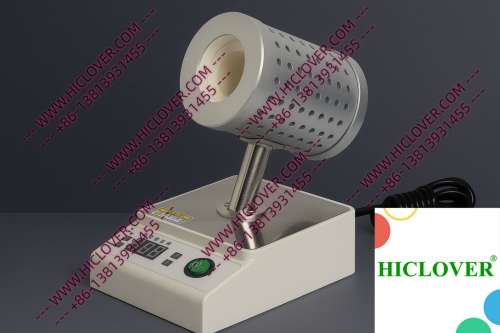
As the demands for lab safety and efficiency escalate, it has become increasingly clear that outdated methods like Bunsen burners and alcohol lamps cannot meet modern sterilization needs. This gives rise to the need for innovative solutions, such as digital temperature-controlled sterilization equipment, which promise enhanced efficacy and safety for laboratory environments. Among these advancements, the Micro Incinerator, also known as the Infrared Inoculating Loop Sterilizer, is emerging as a top choice for researchers and laboratory technicians.
Technical Principles Behind Infrared Sterilization
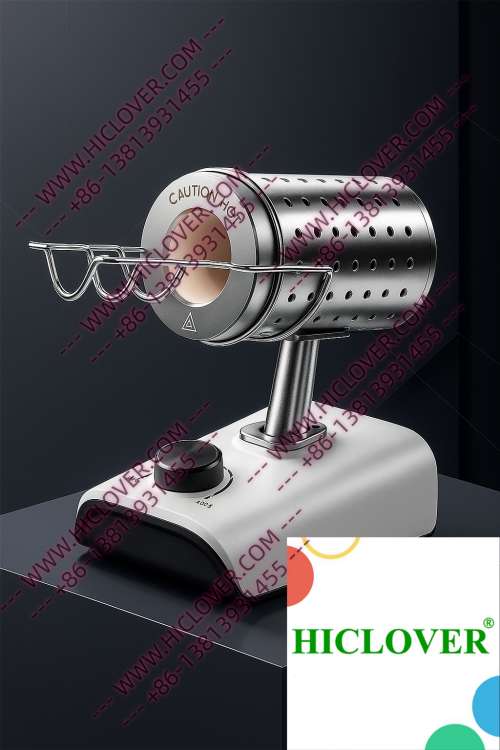
The Micro Incinerator operates using advanced infrared heat technology to achieve rapid thermal sterilization. This device incorporates an enclosed ceramic heating chamber that provides high-temperature disinfection without the risks associated with open flames. The infrared system quickly raises the temperature to the optimal level for sterilization, effectively killing bacteria, viruses, and spores in mere seconds.
One of the noteworthy features of this sterilizer is its precision. With digital temperature controls, users can set their desired sterilization temperature, ensuring that instruments such as inoculating loops are uniformly heated to eradicate any potential contaminants. This technology not only streamlines sterilization workflows but also enhances overall laboratory safety—reducing the risk of aerosolized contaminants and promoting a cleaner working environment.
Application Scenarios in Real Labs
To better understand the utility of the Micro Incinerator, let’s explore two notable application scenarios in laboratory settings.
1. Biosafety Cabinet Applications
In BSL-2 and BSL-3 microbiology labs, the Micro Incinerator can be integrated within biosafety cabinets. The enclosed design and rapid sterilization capability reduce the risk of aerosol generation, allowing researchers to safely sterilize tools without compromising the sterile environment of the cabinet. The convenience of immediate sterilization also speeds up workflow, allowing technicians to focus on research rather than manual sterilization methods.
2. University Teaching Labs
Teaching labs in universities benefit significantly from the inclusion of Micro Incinerators. Educators can safely demonstrate sterile techniques to students while minimizing the risks associated with traditional flame sterilization methods. With digital controls, students can be taught essential sterilization protocols under careful supervision, enhancing both learning and safety.
Compliance and Environmental Considerations
Compliance with appropriate biosafety standards and sterilization regulations is critical for laboratories. The World Health Organization (WHO) and various national standards for laboratory sterilization emphasize the need for maintaining an uncontaminated working environment. The Micro Incinerator stands out by offering a flame-free option ideal for clean rooms, thereby supporting lab automation and rigorous biosafety protocols. With no open flames, there are fewer concerns about flammable vapors in the air, allowing for safer operations in closed environments like CO₂ incubators or anaerobic chambers.
Micro Incinerator vs. Traditional Flame Sterilizers
| Feature | Micro Incinerator | Flame Sterilizers |
|---|---|---|
| Heat Source | Infrared Heat | Open Flame |
| Temperature Control | Digital, Accurate | Manual Adjustment |
| Risk of Contamination | Low | High (Aerosols) |
| Usability in Clean Rooms | Yes | No |
| Maintenance | Low | Variable |
Frequently Asked Questions (FAQs)
- What types of laboratories can benefit from a Micro Incinerator?
Labs focused on microbiology (BSL-2, BSL-3), clinical diagnostics, and educational settings. - How does the Micro Incinerator compare to Bunsen burners in terms of efficiency?
The Micro Incinerator offers rapid thermal sterilization with reduced contamination risks, whereas Bunsen burners can introduce aerosols. - What safety features are included with a Micro Incinerator?
Digital controls for temperature management, enclosed design to prevent open flames, and robust construction for reliable operation. - Can the Micro Incinerator be used in field testing labs?
Yes, its compact design and rapid heating capabilities make it ideal for use in mobile or remote settings. - Is training required to operate the Micro Incinerator?
Minimal training is needed, as it features user-friendly digital interfaces and clear operational guidelines.
Final Thought
The adoption of digital temperature-controlled sterilization equipment, such as the Micro Incinerator, represents a significant leap forward in laboratory safety and efficacy. Its innovative infrared technology, combined with a commitment to compliance with international biosafety standards, makes it an essential addition to any laboratory environment.
If you’re seeking to enhance your lab’s sterilization process and ensure the highest levels of biosafety, consider upgrading your equipment to a Micro Incinerator. Contact us today to learn more or to make a purchase—your laboratory’s future could depend on it!
Categories:
Tags: