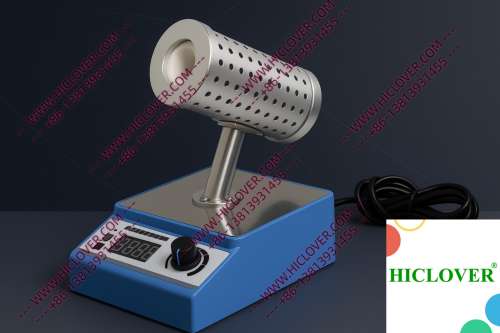
In the realm of scientific research and clinical diagnostics, effective sterilization is a cornerstone of laboratory biosafety. Laboratories today face increasing challenges related to contamination control, particularly as the demand for precise and safe methodologies escalates. The conventional methods, such as alcohol lamps and Bunsen burners, while historically vital, have limitations that can compromise modern laboratory workflows. Enter the new era of sterilization: the Micro Incinerator or Infrared Inoculating Loop Sterilizer. This innovative technology transforms laboratory sterilization into a faster, safer, and more effective process.
Understanding the Technology: How Infrared Sterilizers Work
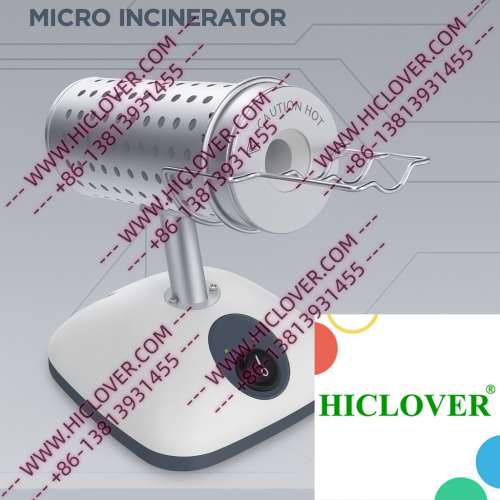
The Micro Incinerator operates on the principle of rapid thermal sterilization, utilizing an enclosed ceramic heating chamber to deliver high-temperature disinfection. This technology produces infrared heat, allowing for uniform distribution of thermal energy. The enclosed design not only maximizes heat retention but also minimizes risks associated with open flames, making it an optimal choice for sensitive laboratory environments.
- Infrared radiation provides quick and effective sterilization.
- The ceramic tube ensures durability and uniform heating.
- Aerosol-free handling enhances user safety and laboratory integrity.
Application Scenarios
1. University Teaching Labs
In educational settings, where students frequently engage in microbiology labs, the Micro Incinerator facilitates a reliable learning environment. With its quick heating capability, students can efficiently sterilize inoculating loops between cultures without the wait associated with traditional flame methods. This ensures that every experiment is performed under optimal aseptic conditions, significantly reducing the risk of cross-contamination.
2. Field Testing Laboratories
For mobile or field testing laboratories, where space and resources can be limited, the Micro Incinerator serves as a compact yet powerful tool. Its portability and ease of use allow field researchers to conduct sterilization tasks away from traditional lab settings. Clean-bench-safe designs mean that researchers can sterilize tools without worrying about the dangers posed by open flames, particularly in volatile environments.
Compliance and Environmental Considerations
Adhering to biosafety regulations set forth by organizations such as the World Health Organization (WHO) and various lab sterilization standards is crucial for any modern laboratory. The Micro Incinerator stands out by eliminating the use of flame in clean rooms, thus adhering to stringent safety protocols while maintaining effective sterilization practices. Its design minimizes risks associated with aerosols, aligning with biosafety measures particularly important in BSL-2 and BSL-3 microbiology labs.
The opportunity for innovation in laboratory sterilization is not merely a matter of convenience; it is a question of safety, efficiency, and compliance with ever-evolving standards.
Key Advantages Over Traditional Methods
When comparing the Micro Incinerator to traditional flame sterilization tools like alcohol lamps and Bunsen burners, several advantages become apparent:
| Feature | Micro Incinerator | Flame Sterilizers |
|---|---|---|
| Safety | No open flame, reduced fire hazard | Risk of burns and igniting flammable materials |
| Speed | Rapid heating and cooling cycles | Longer ignition and burn-out times |
| Efficiency | Consistent sterilization with reduced footprint | Variable heat distribution may require multiple passes |
| Contamination Control | Aerosol-free, less risk of environmental contaminations | Aerosol generation may be a concern |
Frequently Asked Questions
What is a Micro Incinerator?
A Micro Incinerator is an advanced sterilization tool that uses infrared heating technology to quickly and efficiently sterilize laboratory equipment, such as inoculating loops, without an open flame.
How does infrared sterilization improve lab safety?
Infrared sterilization eliminates the risks associated with open flames, significantly reducing the potential for laboratory fires and the production of harmful aerosols.
Can the Micro Incinerator be used in BSL-2 or BSL-3 laboratories?
Yes, the Micro Incinerator meets the stringent compliance requirements necessary for use in BSL-2 and BSL-3 microbiology labs, ensuring high levels of biosafety.
What maintenance does a Micro Incinerator require?
Regular cleaning of the ceramic heating chamber and ensuring that the unit is free from debris will help maintain optimal performance.
Is it portable for field applications?
Absolutely! The Micro Incinerator is compact and lightweight, making it perfect for on-site field testing in various environments.
Conclusion
As laboratories evolve to meet the demands of modern science, the integration of innovative technologies such as the Micro Incinerator is critical. With its rapid thermal sterilization abilities, aerosol-free operation, and compliance with safety standards, it is clear that the future of sterilization lies in advanced anti-contamination technologies. If you are considering upgrading your laboratory’s sterilization equipment, don’t hesitate to reach out for inquiries or purchases today!
Categories:
Tags: