
In the dynamic world of laboratory sciences, the challenges of biosafety, compliance, and workflow efficiency are ever-present. Health workers, especially in field conditions, grapple with the need to ensure contamination control while rapidly executing sterilization processes. Traditional methods like Bunsen burners and alcohol lamps pose risks, including the generation of aerosols and the potential for unsafe environments. As a solution, the Micro Incinerator or Infrared Inoculating Loop Sterilizer is emerging as a vital tool in modern sterilization practices.
Understanding the Micro Incinerator
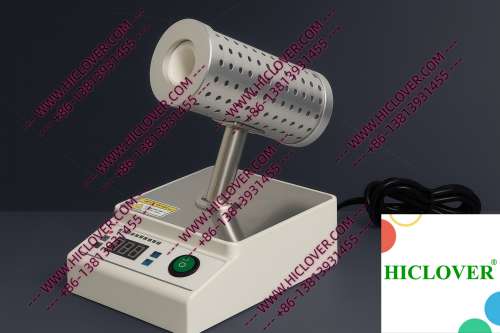
The Micro Incinerator operates using a groundbreaking principle by harnessing infrared heat within a ceramic heating chamber. This advanced sterilizer effectively reaches high temperatures within seconds, ensuring rapid thermal sterilization of inoculating loops and other laboratory instruments. The enclosed design prevents the release of aerosols, making it a suitable choice for clean-bench-safe environments.
Technical Features and Design
- Rapid Heating: The infrared technology ensures that temperatures soar up to 800°C in mere seconds.
- Compact Size: Designed for portability, it is lightweight and can easily fit into backpacks for field use.
- Aerosol-Free Handling: Enclosed design reduces contamination risks, critical in BSL-2 and BSL-3 laboratories.
- Easy to Operate: Minimal learning curve, making it accessible for various user levels in educational institutions.
- What types of labs benefit most from the Micro Incinerator?
BSL-2 and BSL-3 labs, clinical diagnostics facilities, and educational institutions all find value in its capabilities. - How does the Micro Incinerator ensure safety in cleanroom environments?
Its enclosed design produces no open flame, dramatically reducing contamination risks and maintaining cleanroom integrity. - Can the Micro Incinerator be used in field settings without a power supply?
Yes, battery-operated models offer flexibility for field testing without reliance on electrical outlets. - What maintenance is required for the Micro Incinerator?
Regular cleaning of the ceramic chamber and ensuring the electrical components are intact are key for longevity. - Is training needed to operate the Micro Incinerator?
Although it is user-friendly, basic training is recommended to maximize efficacy and safety.
Applications of the Micro Incinerator
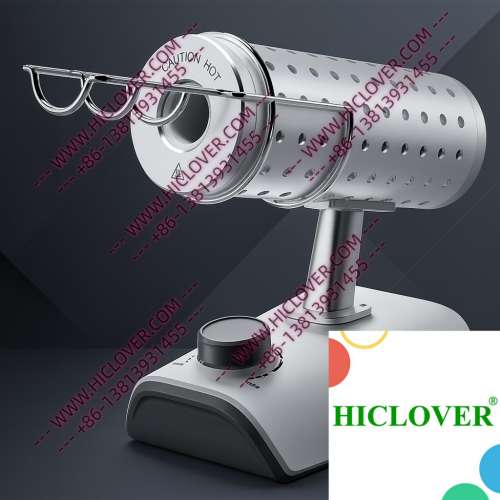
The versatility of the Micro Incinerator is evident in several scenarios. Here are two compelling application cases:
1. Field Testing Laboratories
In remote areas, health workers conducting field tests require reliable sterilization methods. The Micro Incinerator provides a rapid, safe solution for sterilizing loops used in collecting and culturing samples. This ensures that results are not compromised by contamination, even in environments lacking traditional infrastructure.
2. University Teaching Labs
In educational settings, the Micro Incinerator serves as a valuable teaching tool. Students learning microbiology and clinical diagnostics benefit from hands-on experience with modern sterilization techniques. Integrating this technology into lab curricula underscores the importance of biosafety and prepares students for realistic laboratory challenges.
Compliance and Environmental Standards
Adherence to global biosafety guidelines is paramount in laboratory settings. The World Health Organization (WHO) emphasizes the need for stringent sterilization processes in any laboratory working with pathogens. The Micro Incinerator aligns with essential laboratory sterilization standards, providing an ideal choice for cleanroom applications.
Furthermore, the lack of an open flame mitigates the risk of igniting flammable materials, making it particularly valuable in settings like CO₂ incubators and anaerobic chambers where safety is a priority. Traditional flame sterilizers have limitations, including the risk of aerosol generation—an unacceptable risk in many contemporary laboratories.
Comparison Table: Micro Incinerator vs. Traditional Flame Burners
| Feature | Micro Incinerator | Flame Burners |
|---|---|---|
| Heating Method | Infrared | Open Flame |
| Heating Speed | Seconds | Variable |
| Aerosol Generation | No | Yes |
| Portability | High | Medium |
| Compliance with Cleanroom Standards | Yes | Limited |
Frequently Asked Questions
Conclusion
As we look to the future of sterilization, it is clear that innovations such as the Micro Incinerator / Infrared Inoculating Loop Sterilizer are set to revolutionize laboratory practices. Provided with reliable, rapid, and safe sterilization methods, laboratories can improve workflow efficiency while adhering to essential biosafety standards. Whether in a university teaching lab, a BSL-3 environment, or field testing scenarios, investing in a Micro Incinerator embodies a step towards safer health practices.
For inquiries about purchasing or demonstrations, we encourage you to contact us. Ensure your laboratory remains at the forefront of sterilization technology!
Categories:
Tags: