
As laboratories across New Zealand embrace the need for enhanced biosafety practices, the challenges of maintaining effective sterilization workflows are more pressing than ever. The rapid advancement of laboratory sterilization equipment has led to innovative solutions designed to meet stringent biocontainment requirements in diverse environments. Notably, the Micro Incinerator or Infrared Inoculating Loop Sterilizer has emerged as a superior alternative to traditional flame sterilizers, offering unmatched precision and safety in sterilization processes.
Understanding Infrared Sterilization Technology
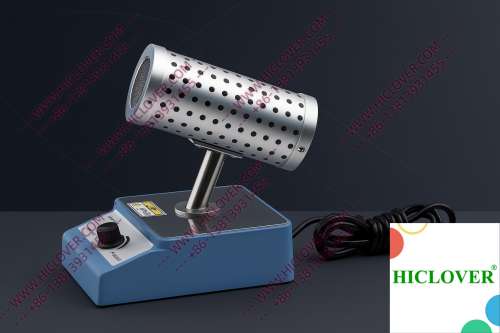
The Micro Incinerator operates through a groundbreaking principle known as infrared heat sterilization. This technology utilizes a ceramic heating chamber, wherein an enclosed ceramic tube generates high temperatures rapidly, enabling swift thermal sterilization. Unlike traditional flame-based methods, infrared sterilization eliminates the risks associated with open flames, such as contamination and injury, making it an ideal choice for BSL-2 and BSL-3 microbiology labs.
In a conventional lab setting, maintaining sterile conditions is non-negotiable, and the impact of contamination can be profound. The Micro Incinerator enhances contamination control by allowing researchers to handle inoculating loops and needles safely without the risk of aerosols or flame-related hazards.
Applications in Modern Laboratories
The unprecedented versatility of the Micro Incinerator makes it indispensable across various laboratory scenarios. Here are two notable application contexts:
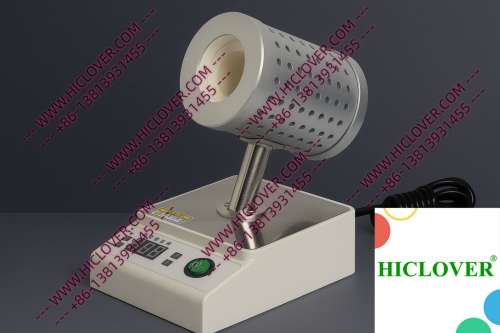
- Biosafety Cabinets: Within a biosafety cabinet, the Micro Incinerator ensures that researchers can sterilize tools swiftly without compromising the sterile environment. Its compact design facilitates easy integration into existing workflows.
- Field Testing: Portable and efficient, the Micro Incinerator is ideal for field testing scenarios where rapid sterilization is crucial. Researchers can perform sampling in diverse environments, maintaining the highest sterile standards even outside conventional lab settings.
Compliance with Laboratory Sterilization Standards
In an era where laboratory safety regulations are continuously evolving, compliance with internationally recognized biosafety standards is paramount. The World Health Organization (WHO) provides guidelines to ensure adequate biosafety practices; utilizing devices like the Micro Incinerator aligns with these standards while avoiding the use of open flames in clean rooms and other controlled environments.
Moreover, various lab sterilization standards dictate the use of non-flame sterilizers to reduce contaminants in sensitive areas. The Micro Incinerator’s aerosol-free handling not only enhances user safety but also meets compliance demands for high-risk environments.
Advantages of the Micro Incinerator Over Traditional Flame Sterilizers
The comparative benefits of the Micro Incinerator versus traditional flame-based sterilizers are compelling:
| Feature | Micro Incinerator | Flame Burner (Bunsen Burner / Alcohol Lamp) |
|---|---|---|
| Safety | No open flame; reduces risk of fire hazards | Open flame; higher risk of accidents |
| Speed of Sterilization | Rapid thermal sterilization within seconds | Variable; depends on flame stability |
| Contamination Control | Aerosol-free; minimizes contamination risks | Can produce aerosols; potential for airborne contamination |
| Environmentally Friendly | Lower energy consumption, no toxic emissions | Dependent on fuel type; potential for harmful emissions |
Future Prospects of Laboratory Sterilization in New Zealand
As New Zealand’s laboratory sector continues to expand, the demand for efficient, portable, and safe sterilization solutions has never been more critical. With the increase in research centers, teaching labs, and clinical diagnostics, integrating innovative technologies like the Micro Incinerator into sterilization workflows is essential for enhancing biosafety.
Moreover
Categories:
Tags: