
As the healthcare landscape continues to evolve, so too do the sterilization technologies that underpin laboratory safety and quality. One of the primary challenges faced by laboratory technicians today is the need for effective, rapid sterilization methods that minimize contamination risks. The increasing demand for enhanced biosafety measures in both clinical diagnostics and microbiological research has led to a surge in innovative sterilization solutions, such as the Micro Incinerator, or Infrared Inoculating Loop Sterilizer. This article explores the future of sterilization technology in laboratory settings, focusing on equipment advancements, compliance standards, and practical applications.
Understanding the Technical Principles
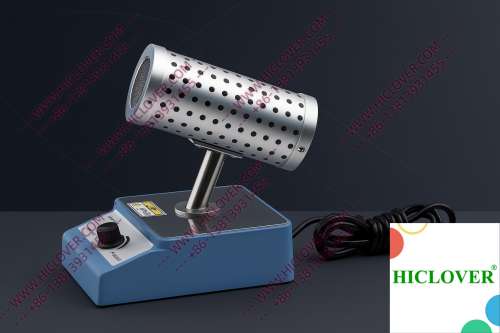
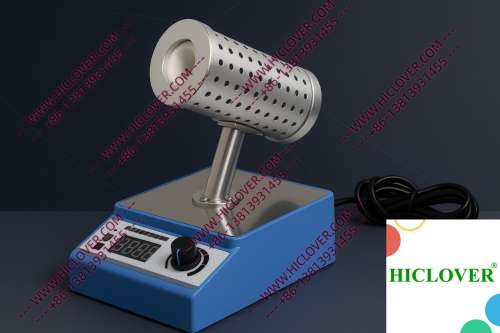
The Micro Incinerator is a modern advancement in sterilization technology, leveraging the principles of infrared heat for effective disinfection. Unlike traditional flame-based sterilizers, which pose risks such as open flames and the potential for aerosolization, the Micro Incinerator operates through a sealed ceramic tube that generates high temperatures rapidly. This enclosed heating chamber allows for effective sterilization without the hazards associated with flame-based methods.
Infrared high-temperature disinfection ensures that inoculating loops or other laboratory tools are quickly and uniformly heated to the required sterilization temperature, significantly reducing the risk of contamination and improving workflow efficiency. The device’s design promotes aerosol-free handling, making it particularly beneficial for sensitive environments such as clean rooms and biosafety cabinets.
Applications in Real Labs
- Biosafety Cabinets: In BSL-2 and BSL-3 laboratories, the Micro Incinerator proves essential for maintaining sterility during microbial manipulation. By utilizing this technology, researchers can rapidly sterilize inoculating loops without exposing the work environment to open flames, thus better adhering to safety protocols.
- Field Testing: The compact and portable nature of the Micro Incinerator makes it a perfect fit for mobile or field testing labs. Researchers conducting environmental sampling or clinical diagnostics in remote locations can rely on the device’s rapid thermal sterilization capabilities, which do not compromise on safety or efficiency.
- What is a Micro Incinerator?
- The Micro Incinerator is an infrared sterilizer designed for rapid thermal sterilization of laboratory instruments.
- How does a Micro Incinerator differ from a traditional flame sterilizer?
- Unlike flame sterilizers, the Micro Incinerator uses infrared heat in a contained environment, reducing the risk of contamination and enhancing safety.
- Can the Micro Incinerator be used in BSL-3 labs?
- Yes, the Micro Incinerator is suitable for BSL-3 labs due to its effectiveness in maintaining sterilization without the risks associated with open flames.
- What are the benefits of using infrared sterilization technology?
- Infrared sterilization provides rapid heating, aerosol-free handling, and compliance with laboratory safety standards, while also reducing the risk of contamination.
- Is the Micro Incinerator compliant with WHO biosafety standards?
- Yes, the Micro Incinerator meets WHO biosafety guidelines, making it a reliable option for sterilization in clinical and research laboratories.
Compliance and Environmental Considerations
Laboratory safety standards set by organizations such as the World Health Organization (WHO) highlight the importance of implementing stringent sterilization protocols to prevent cross-contamination. Compliance with biosafety guidelines is critical in maintaining laboratory integrity, especially in facilities handling pathogenic microorganisms. The Micro Incinerator aligns with these regulations, ensuring that researchers can operate within safe parameters while adhering to laboratory sterilization standards.
One significant advantage of utilizing Infrared Inoculating Loop Sterilizers over traditional flame sterilizers is their non-emission of harmful fumes or aerosols, making them suitable for clean rooms where flammable materials might be present. The device’s design also enhances safety by eliminating open flames and reducing the risk of fire hazards, which is critical in environments with strict cleanliness requirements.
Advantages Over Traditional Flame Sterilizers
| Feature | Micro Incinerator | Flame Sterilizers |
|---|---|---|
| Heat Source | Infrared (Ceramic heating chamber) | Open Flame (Bunsen burner or alcohol lamp) |
| Contamination Control | Aerosol-free handling | Risk of aerosols and contamination |
| Portability | Compact and easy to transport | Limited mobility |
| Safety | No open flame, reduced fire hazards | Open flame increases fire risk |
Frequently Asked Questions
Conclusion
The future of sterilization technology in laboratory settings is poised for significant advancements, with the Micro Incinerator leading the way. Its innovative design, safety features, and compliance with international standards make it an invaluable tool for laboratories ranging from teaching institutions to high-stakes clinical environments. As laboratories continue to prioritize biosafety and efficiency in their workflows, investing in next-generation sterilization equipment like the Micro Incinerator will not only enhance laboratory safety but also streamline operational processes.
If you’re interested in elevating your laboratory’s sterilization capabilities, we invite you to explore the benefits of the Micro Incinerator today. Contact us for more details or to place an order!
Categories:
Tags: