In the current landscape of laboratory biosafety, researchers and technicians face myriad challenges related to sterilization workflows. The need for efficient and effective sterilization methods has never been more pressing, significantly impacting laboratory operations in settings ranging from BSL-2 microbiology labs to educational institutions. As laboratories increasingly emphasize contamination control to ensure sample integrity and personnel safety, effective solutions are required to meet these demands without compromising energy efficiency.
Transforming Laboratory Sterilization with Micro Incinerators
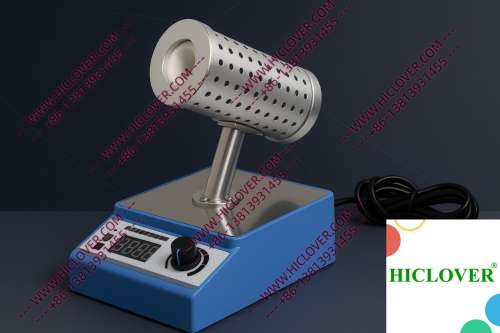
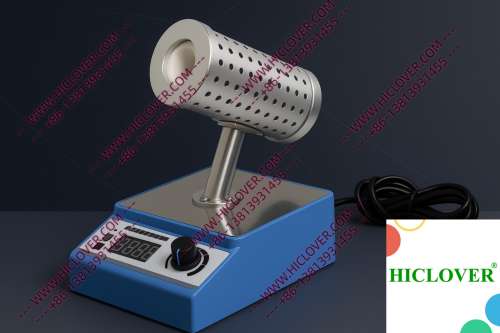
Among the advanced sterilization technologies available, the Micro Incinerator / Infrared Inoculating Loop Sterilizer stands out as a pivotal tool. Utilizing infrared heating, this innovative device operates by rapidly generating high temperatures to achieve effective thermal sterilization. Unlike traditional flame sterilizers (such as alcohol lamps or Bunsen burners), which pose risks of open flames and increased contamination potential, the Micro Incinerator delivers precise and consistent heat in a contained environment.
The underlying technical principle of the Micro Incinerator involves an enclosed ceramic tube that generates infrared radiation. This infrared heat is absorbed by metallic tools or inoculating loops, allowing for the swift eradication of microbial agents. This design not only enhances the safety of laboratory environments but also promotes a clean-bench-safe biosafety approach.
Application Scenarios in Modern Laboratories
Let’s explore two significant application scenarios that demonstrate the effectiveness and versatility of Micro Incinerators in real-world settings:
- Biosafety Cabinets: In BSL-2 and BSL-3 microbiology labs, precise sterilization is paramount. Micro Incinerators can be integrated into biosafety cabinets (BSCs), ensuring that tools are sterilized without exposing personnel to hazardous agents. The enclosed design helps prevent the release of aerosols during the sterilization process, thereby safeguarding lab technicians.
- Field Testing: In mobile or field testing operations, where traditional sterilization methods may not be feasible, Micro Incinerators provide a portable solution. Researchers can carry these units to remote locations, enabling them to sterilize instruments effectively in real time, thus ensuring compliance with contamination control protocols.
Compliance and Environmental Considerations
Beyond efficiency and safety, adherence to biosafety standards is critical in laboratory settings. Organizations such as the World Health Organization (WHO) and various national and international standards bodies (like ISO and CDC) set forth stringent guidelines for laboratory operations to mitigate contamination risks. Notably, many guidelines recommend or require the elimination of open flames in clean rooms and sterile environments to prevent cross-contamination.
For instance, the Environmental Protection Agency (EPA) underscores the importance of using flame-free sterilization methods to promote safety and reduce environmental impact. Adopting Micro Incinerators not only aligns with these compliance frameworks but also demonstrates a commitment to maintaining the highest laboratory standards while fostering energy savings.
Micro Incinerator vs. Traditional Flame Sterilizers: A Comparative Analysis
| Feature | Micro Incinerator | Flame Sterilizers |
|---|---|---|
| Heat Source | Infrared, enclosed ceramic tube | Open flame |
| Risk of Contamination | Low (aerosol-free handling) | High (open flame may create aerosols) |
| Energy Efficiency | High (rapid thermal sterilization) | Moderate |
| Ease of Use | Simple control settings | Requires careful handling |
Frequently Asked Questions
- What is a Micro Incinerator? A Micro Incinerator is a device used for rapid thermal sterilization of laboratory instruments using infrared heat instead of an open flame.
- How does infrared heating work in sterilization? Infrared heat is emitted from an enclosed ceramic tube, which rapidly elevates the temperature of metallic tools to ensure effective disinfection.
- Can a Micro Incinerator be used in BSL-3 laboratories? Yes, Micro Incinerators are suitable for BSL-3 labs due to their low contamination risk and effective sterilization capabilities.
- What are the energy savings associated with using a Micro Incinerator? Micro Incinerators typically show higher energy efficiency compared to traditional flame sterilizers due to their targeted heating methods.
- Why is compliance with biosafety standards important? Compliance ensures that laboratories maintain safe environments for researchers and prevent contamination of sample materials.
Conclusion
As laboratories around the globe continue to evolve in their practices, embracing innovative technologies like Micro Incinerators is essential for enhancing sterilization workflows while ensuring compliance with safety standards. These devices offer a sustainable and efficient solution, reducing the risks associated with traditional flame sterilizers while delivering effective contamination control.
Considering upgrading your laboratory sterilization equipment to a Micro Incinerator? Contact us today to explore our range of high-quality sterilization solutions that empower your laboratory to meet future challenges effectively.
Categories:
Tags: