
In today’s laboratories, maintaining a contamination-free environment is paramount. With increasing awareness of biosafety and sterilization standards, laboratories face unique challenges that demand efficient yet safe sterilization workflows. Traditional methods, like using alcohol lamps or Bunsen burners, are being scrutinized due to their inherent risks, including flames, smoke, and contaminated aerosols. As a solution, low-smoke sterilization technologies, specifically the Micro Incinerator or Infrared Inoculating Loop Sterilizer, are emerging as essential tools in modern laboratory practices.
The Technical Principle Behind Infrared Sterilization
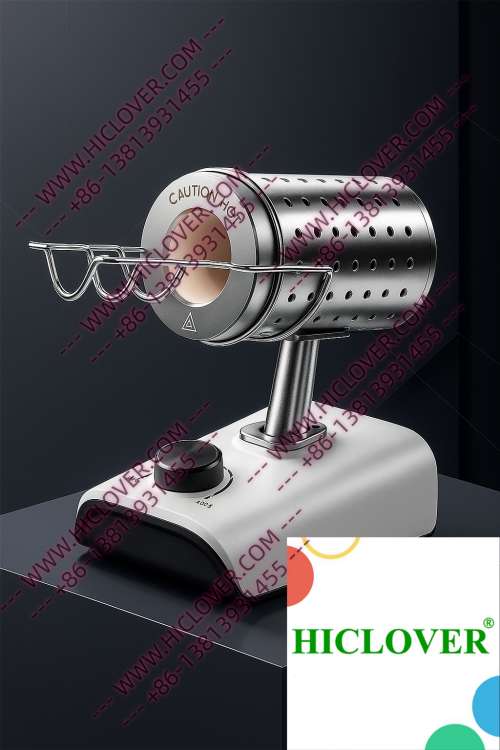
The Micro Incinerator harnesses the principles of infrared heat to achieve rapid thermal sterilization. Within its enclosed ceramic tube, infrared radiation heats the inoculating loop to high temperatures quickly. This ceramic heating chamber enables precise control of the heat application, ensuring complete disinfection without the risk of flames and sparks. The ability to sterilize in a smoke-free environment has significant advantages, particularly in sensitive lab settings such as biosafety cabinets and clean rooms.
Features and Advantages of the Micro Incinerator
- Rapid Sterilization: Achieves high temperatures in seconds, significantly reducing waiting time.
- Compact Design: Ideal for use in confined spaces like fume hoods or biosafety cabinets.
- No Open Flame: Eliminates risks associated with traditional flame sterilizers, especially in clean labs.
- Environmental Safety: Minimal smoke and noise, ensuring a safe working atmosphere.
- What makes the Micro Incinerator more efficient than flame sterilizers?
The infrared technology provides rapid heating, which means less waiting time and greater efficiency when performing sterilization. - Can the Micro Incinerator be used in fieldwork?
Yes, its compact and portable design makes it suitable for use in field testing laboratories. - How does the Micro Incinerator maintain safety in biosafety cabinets?
It operates without an open flame, minimizing risks associated with fire hazards and ensuring a safe working environment. - What are the regulatory standards for laboratory sterilization?
Compliance with the WHO guidelines and other regional biosafety standards is necessary for sterile laboratory workflows. - Is the Micro Incinerator suitable for teaching labs?
Yes, it is perfect for educational settings, allowing students to focus on techniques while ensuring safety.
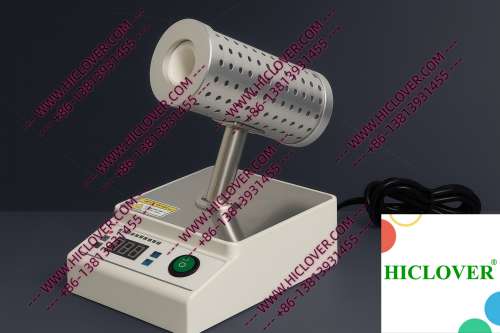
Applications of Low-Smoke Sterilization Techniques
The Micro Incinerator is not just a technological innovation; it comes into play across various laboratory scenarios, enhancing safety and efficiency:
1. Biosafety Cabinets
In BSL-2 and BSL-3 microbiology labs, preventing contamination is critical. The Micro Incinerator can be seamlessly integrated into biosafety cabinets, where its compact design allows for quick sterilization of inoculating loops. By using infrared technology, users can achieve high-temperature sterilization without introducing open flames into the workspace, adhering to the stringent safety protocols set forth by organizations like the WHO.
2. University Teaching Labs
In educational settings, teaching students about microbiological techniques necessitates a safe and efficient sterilization method. The Micro Incinerator allows students to manage their sterilization needs effectively while minimizing the risks linked with traditional flame sterilization. This enhances the overall learning experience by focusing more on techniques and less on safety concerns.
3. Field Testing Labs
Mobile laboratories used in field research often operate in environments where traditional sterilization methods are impractical. The Micro Incinerator provides a lightweight, portable solution that ensures researchers can perform contamination-free work, even in remote locations.
Compliance and Environmental Considerations
Compliance with biosafety standards is essential for laboratory operations. The WHO and other regulatory authorities have outlined guidelines that dictate sterilization techniques in laboratories. Using low-smoke technologies such as the Micro Incinerator aligns with these standards while ensuring operations are safe for the personnel involved.
Furthermore, traditional sterilizers often emit hazardous fumes and create aerosols, jeopardizing air quality and increasing the risk of contamination. In contrast, the Micro Incinerator provides a clean and controlled environment, making it suitable for use in clean rooms and other sensitive areas.
Micro Incinerator vs. Traditional Flame Burners
| Feature | Micro Incinerator | Flame Burners |
|---|---|---|
| Heat Source | Infrared | Open Flame |
| Smoke Production | Minimal | High |
| Safety | High (no open flame) | Moderate (risk of burns) |
| Portability | High | Moderate |
| Startup Time | Seconds | Minutes |
Frequently Asked Questions
Conclusion
As laboratory standards evolve, the need for safe, efficient, and compliant sterilization methods becomes increasingly clear. The Micro Incinerator offers a revolutionary alternative to traditional flame sterilizers, aligning with modern biosafety standards while facilitating smooth workflows in various laboratory settings. For laboratory supply distributors, universities, hospitals, and NGOs looking to enhance their sterilization processes, the Micro Incinerator presents an excellent investment choice. Reach out today to explore how this innovative solution can elevate your laboratory practices.
Categories:
Tags: