
As laboratory environments evolve, the demand for effective waste disposal methods has never been more pressing. Laboratory biosafety challenges, especially in BSL-2 and BSL-3 microbiology labs, have emphasized the importance of efficient sterilization workflows. Traditional sterilization techniques, while effective, often compromise safety and require stringent controls. This growing complexity has led to the emergence of innovative solutions like the Micro Incinerator, a powerful tool in the sterilization toolkit.
Understanding Micro Incineration Technology
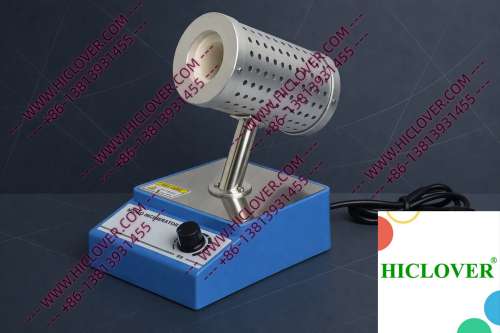
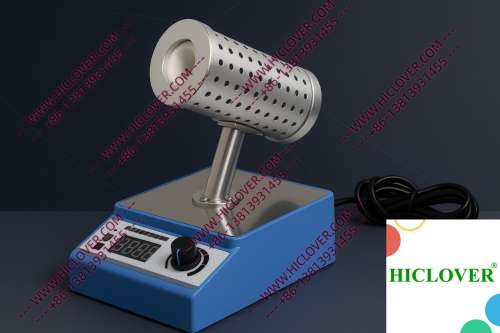
The Micro Incinerator utilizes a cutting-edge technical principle: infrared heat. Unlike traditional flame sterilizers such as alcohol lamps and Bunsen burners, which present significant safety risks, especially in clean rooms, Micro Incinerators use an enclosed ceramic heating chamber that provides rapid thermal sterilization in a controlled manner. Infrared high-temperature disinfection effectively eliminates contaminants on inoculating loops and other lab tools, ensuring a safe working environment.
Advantages Over Traditional Flame Sterilizers
Micro Incinerators offer several distinct advantages compared to conventional methods:
- Safety: No open flames mean reduced fire hazards, making them clean-bench-safe.
- Efficiency: Infrared technology enables faster sterilization cycles.
- Contamination Control: Aerosol-free handling minimizes the risk of airborne contaminants.
- Durability: Often designed to withstand rigorous usage without degrading.
Application Scenarios in Real Labs
1. Biosafety Cabinets
In BSL-2 and BSL-3 labs, using a Micro Incinerator within biosafety cabinets allows researchers to maintain sterile conditions while conducting sensitive experiments. The rapid thermal sterilization process provides immediate disinfection of tools, reducing the risk of contamination and ensuring compliance with laboratory safety protocols.
2. Teaching Laboratories
In educational settings, Micro Incinerators serve an essential role in teaching laboratory safety and best practices. Students can observe effective sterilization methods firsthand without the risks associated with flames. This fosters a safe learning environment, building awareness of contamination control techniques crucial for aspiring scientists.
Compliance and Environmental Considerations
Globally recognized standards for laboratory sterilization underscore the importance of using methods that protect both personnel and the environment. The World Health Organization (WHO) provides guidelines on biosafety and recommended practices for laboratory sterilization. Using a Micro Incinerator aligns well with these guidelines, as it eliminates the need for flame in clean rooms, thereby minimizing airborne particles and combustion-related contaminants.
Moreover, by adopting modern sterilization technologies, laboratories contribute to environmental sustainability. Traditional flame sterilizers burn fuel and create emissions, while infrared sterilizers operate with greater efficiency and lower environmental impact.
Micro Incinerator vs. Traditional Flame Burners
| Feature | Micro Incinerator | Flame Burners |
|---|---|---|
| Open Flame | No | Yes |
| Heat Source | Infrared | Combustion |
| Contamination Control | High | Medium |
| Safety Risk | Low | High |
| Speed of Sterilization | Fast | Variable |
Frequently Asked Questions
1. What types of labs benefit most from using a Micro Incinerator?
Biosafety Level 2 and 3 labs, clinical diagnostics environments, and university teaching labs greatly benefit from the precision and safety offered by Micro Incinerators.
2. How does the Micro Incinerator improve laboratory workflows?
By providing rapid thermal sterilization with a low risk of contamination, Micro Incinerators streamline sterilization procedures and enhance overall laboratory efficiency.
3. Are Micro Incinerators compliant with WHO standards?
Yes, Micro Incinerators meet and often exceed biosafety guidelines set by the World Health Organization and other health authorities, ensuring safe sterilization practices.
4. Can I use a Micro Incinerator in a field-testing setting?
Absolutely! Micro Incinerators are portable and perfect for field-testing labs that require efficient sterilization in various conditions.
5. What maintenance is required for a Micro Incinerator?
Routine maintenance includes cleaning the ceramic heating chamber and ensuring that all electrical components are functioning properly.
Conclusion
As laboratory environments face increasing safety and compliance demands, the adoption of Micro Incineration trends offers a forward-thinking solution for efficient waste disposal and sterilization. If you are considering upgrading your sterilization equipment for your laboratory, the Micro Incinerator / Infrared Inoculating Loop Sterilizer is poised to deliver exceptional performance and safety benefits. Contact us today to learn more about our products and make a meaningful improvement in your laboratory’s sterilization processes!
Categories:
Tags: