
In modern laboratory environments, maintaining stringent biosafety standards is paramount. Laboratories are often confronted with the challenge of effectively sterilizing inoculating loops, needles, and other small instruments while minimizing the risk of contamination. Traditional flame sterilizers, such as alcohol lamps and Bunsen burners, are increasingly being scrutinized in favor of more innovative solutions like the Micro Incinerator or Infrared Inoculating Loop Sterilizer. This advanced laboratory sterilization equipment is rapidly gaining traction as a reliable and efficient method for ensuring cleanliness and safety in both academic and clinical settings.
Understanding the Technical Principles of Micro Incinerators
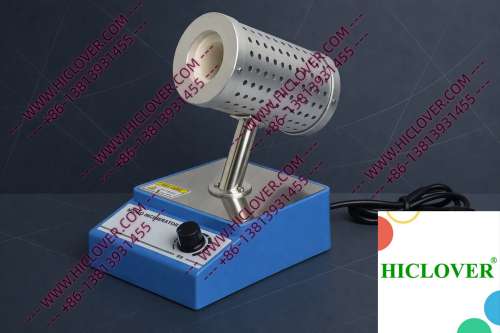
The Micro Incinerator functions on a simple yet effective principle: rapid thermal sterilization through infrared radiation. Unlike traditional flame sterilizers, the Micro Incinerator utilizes an enclosed ceramic tube to achieve high temperatures, allowing for precise control of heating without the production of open flames. This is particularly beneficial in environments like biosafety cabinets or clean rooms where the presence of an open flame poses a contamination risk.
The core of the Micro Incinerator consists of a ceramic heating chamber that reaches temperatures of up to 800°C within seconds, providing an efficient means to sterilize inoculating loops and small tools quickly. The infrared heating technology ensures uniform and consistent sterilization, effectively eliminating bacteria, viruses, and other potential pathogens.
Applications of Micro Incinerators in Laboratory Settings
Micro Incinerators have found their niche in a variety of laboratory scenarios, particularly those that prioritize safety and efficiency.
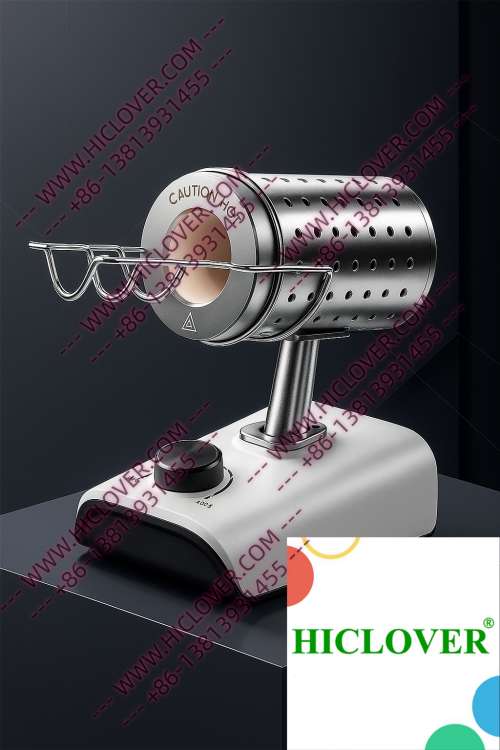
- Biosafety Cabinet Operations: In BSL-2 and BSL-3 labs, Micro Incinerators provide a sterile environment devoid of flames. Their compact size allows them to fit seamlessly into biological safety cabinets, ensuring a quick turnaround in sterilization while maintaining stringent safety protocols.
- Mobile and Field Testing Labs: The portability and reliance on electrical power make Micro Incinerators ideal for field testing operations. Researchers working in the field can easily carry these units, giving them an effective means to sterilize their instruments on-site, thereby preventing cross-contamination.
- University Teaching Labs: The educational use of Micro Incinerators in university laboratories trains students in safe, efficient sterilization techniques. Instructors can demonstrate the principles of sterilization without the risks associated with open flames, enhancing the learning environment.
Compliance and Environmental Standards in Laboratory Sterilization
Adherence to biosafety standards is crucial for any laboratory, particularly those involved in clinical diagnostics and microbiological research. The World Health Organization (WHO) outlines various biosafety guidelines that laboratories must follow to ensure safe handling of biohazard materials. The Micro Incinerator stands out as a compliant choice for sterilization, as it operates safely without producing aerosols, which are often a concern with traditional flame sterilizers.
Moreover, these devices conform to ISO standards for laboratory sterilization, ensuring they meet global safety norms. The absence of an open flame significantly reduces the risk of fire hazards in clean environments, as required by many laboratory safety regulations.
Advantages of Micro Incinerators Over Traditional Flame Sterilizers
| Feature | Micro Incinerator | Traditional Flame Sterilizers |
|---|---|---|
| Temperature Control | Precise, rapid thermal sterilization | Variable, less controlled |
| Safety | No open flames, reduced fire risk | Open flames can cause contamination and hazards |
| Efficiency | Quick heating times, aerosol-free handling | Slower, with potential for aerosol generation |
| Ease of Use | Compact and portable | Bigger setup, requires more space |
| Compliance | Meets WHO and ISO standards | May not always meet strict biosafety standards |
FAQs About Micro Incinerators
What is the primary advantage of using a Micro Incinerator in a laboratory setting?
The main advantage lies in its rapid thermal sterilization ability without open flames, reducing fire hazards and contamination risks while providing consistent results.
How does a Micro Incinerator differ from traditional sterilization methods?
Unlike traditional flame sterilizers that vary in performance and can generate hazardous aerosols, Micro Incinerators utilize infrared technology for precise sterilization and minimal safety concerns.
Are Micro Incinerators compliant with biosafety standards?
Yes, Micro Incinerators are designed to meet WHO and international sterilization standards, making them suitable for use in BSL-2 and BSL-3 labs.
Can Micro Incinerators be used in field testing laboratories?
Absolutely! Their portability and efficiency make them ideal for sterilization in field testing scenarios, where quick and effective disinfection is critical.
What types of instruments can be sterilized using a Micro Incinerator?
Micro Incinerators are commonly used to sterilize inoculating loops, needles, and small metal instruments that require rapid and effective sterilization.
Conclusion: Embrace the Future of Laboratory Sterilization
Transitioning to Micro Incinerators for sterilization processes not only enhances safety and efficiency but also aligns with modern laboratory compliance requirements. Laboratory supply distributors, hospitals, universities, and research centers across the UK are encouraged to consider this advanced equipment as part of their sterilization toolkit. By adopting Micro Incinerators, labs can improve their workflow while adhering to the highest safety standards. Contact us today to explore our range of Micro Incinerators and discover how they can elevate your laboratory practices.
Categories:
Tags: