
As laboratories and research facilities become increasingly aware of the importance of biosafety and contamination control, the need for efficient sterilization processes has gained prominence. Among the many technological advancements catering to this requirement, micro incinerators, particularly the Infrared Inoculating Loop Sterilizer, have emerged as a reliable solution. This article delves into the principles, applications, and regulatory considerations of these devices within the unique context of Qatar.
Biosafety Challenges and Laboratory Workflow Demands
Biosafety in laboratory environments, especially in BSL-2 and BSL-3 microbiology labs, presents numerous challenges. Traditional sterilization techniques, such as alcohol lamps or Bunsen burners, potentially introduce risks of flame-related hazards and toxic fume production, which can compromise sterile conditions. In response, the demand for innovative sterilization equipment that ensures rapid thermal sterilization and minimizes contamination continues to rise.
Understanding Micro Incinerators: Technical Principles
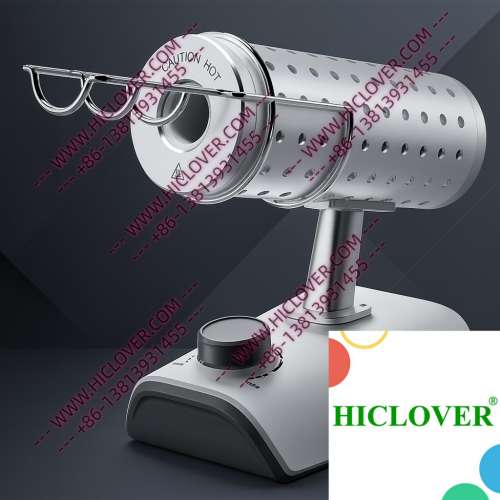
At the heart of micro incinerators lies advanced technology that utilizes infrared heat for effective sterilization. The Infrared Inoculating Loop Sterilizer features an enclosed ceramic heating chamber that reaches high temperatures within seconds, leading to rapid disinfection without the presence of an open flame. This design not only enhances safety but also ensures an aerosol-free environment, which is critical for maintaining the integrity of clean bench operations.
Key Features of Micro Incinerators
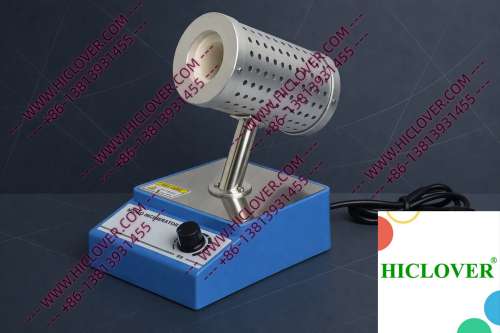
- Rapid Heating: Achieves sterilization temperatures within moments.
- Compact Design: Easily fits in biosafety cabinets and limited workspace.
- High Efficiency: Offers a consistent sterilization process minimizing contamination risks.
- No Open Flame: Eliminates hazards associated with traditional flame-based sterilizers.
- Durability: Designed for extensive use across various laboratory settings.
Application Scenarios in Real Labs
1. Biosafety Cabinet Usage
In BSL-2 microbiology labs, where strict biosafety measures are mandatory, micro incinerators can serve as an integral part of sterilization protocols within biosafety cabinets. The push-button operation and quick recovery of the ceramic heating element eliminate the need for unnecessary fumigation or extensive waiting periods associated with traditional methods. This flexibility allows for more efficient handling of pathogens and biological samples, helping researchers maintain compliance with national laboratory standards.
2. Field Testing Applications
Mobile or field testing labs can greatly benefit from micro incinerators. When engaging in clinical diagnostics or environmental testing far from traditional laboratory settings, these portable sterilizers deliver high-performance capabilities without the safety concerns linked to flames. They facilitate safe aerosol-free handling, crucial when dealing with sensitive microbial samples in field conditions.
Compliance with International Standards and Environmental Considerations
Compliance with global laboratory sterilization standards, including recommendations from the World Health Organization (WHO), underlines the importance of maintaining biosafety in research settings. Micro incinerators adhere to stringent safety regulations, making them ideal for use in laboratories that conduct sensitive work involving infectious agents. The absence of open flames further assures compliance where clean rooms are mandated, as flame-based tools often contribute to contamination risks and safety hazards.
Micro Incinerator vs. Traditional Flame Sterilizers: A Comparative Overview
| Feature | Micro Incinerator | Traditional Flame Sterilizer |
|---|---|---|
| Heat Source | Infrared | Open Flame |
| Safety | No open flames; lower risk of accidents | High risk of fire; toxic fumes |
| Efficiency | Rapid thermal sterilization | Longer heating time |
| Environment | Low risk of contamination | High contamination potential |
| Portability | Compact and easy to move | Generally bulky |
Frequently Asked Questions
1. What are the main advantages of using a micro incinerator over traditional methods?
The micro incinerator offers rapid heating, an open flame-free environment, and enhanced safety, making it superior for sterilization in sensitive laboratory settings.
2. Can micro incinerators be used in field testing laboratories?
Yes, their compact design and the absence of an open flame make them ideal for use in field conditions, ensuring efficient and safe sterilization.
3. Are these devices compliant with WHO biosafety regulations?
Micro incinerators meet regulatory standards established by the WHO, thus ensuring proper sterilization practices in biosafety laboratories.
4. How long does it take for a micro incinerator to achieve sterilization?
Micro incinerators can reach optimal sterilization temperatures within seconds, unlike traditional methods which require longer timeframes.
5. Are they suitable for university teaching labs?
Absolutely! They provide a safe and effective means for teaching sterile techniques without the risks associated with flame-based equipment.
Conclusion
The integration of micro incinerators into the sterilization workflow represents a significant step forward in laboratory safety and efficiency, particularly in environments that demand high levels of biosafety compliance, such as those found in Qatar. By switching to advanced technologies like the Infrared Inoculating Loop Sterilizer, researchers and educators can achieve superior results while maintaining rigorous safety standards. For more information on acquiring a micro incinerator for your laboratory needs, please contact us today.
Categories:
Tags: