
Contemporary laboratories face significant biosafety challenges and demands for effective sterilization workflows. To mitigate contamination risks and enhance the efficiency of sterilization practices, many established and emerging laboratories are turning to advanced solutions like micro incinerators, especially the Infrared Inoculating Loop Sterilizer. This innovative equipment addresses the specific sterilization needs, ensuring rapid thermal sterilization processes while complying with stringent biosafety standards.
Understanding the Technical Principles of Micro Incinerators
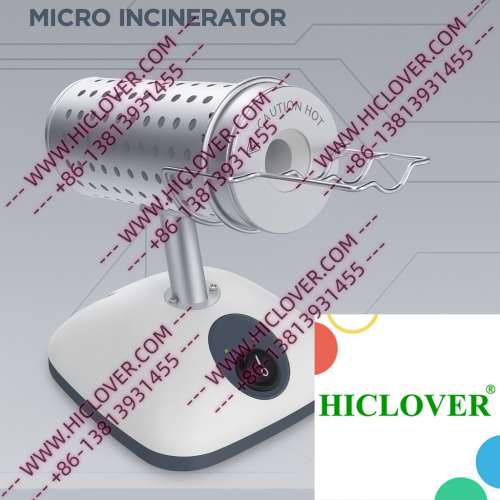
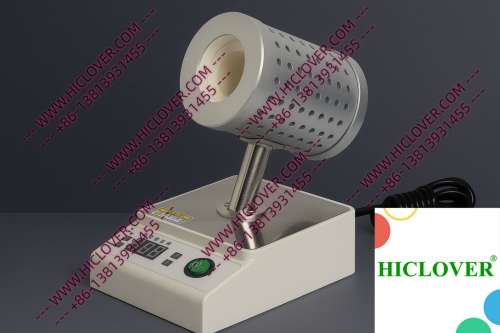
Micro incinerators utilize infrared heat to achieve rapid and effective sterilization. The core design typically includes a ceramic heating chamber where the temperature is quickly elevated without the need for open flames, offering a clean-bench-safe alternative. The enclosed ceramic tube design provides a focused heat source that minimizes emissions and enhances usability in diverse lab environments.
Advantages of Infrared Inoculating Loop Sterilizers
Compared to traditional flame sterilizers like alcohol lamps and Bunsen burners, micro incinerators come with several advantages:
- Enhanced Safety: The absence of open flames minimizes fire hazards and enables safe operation in confined spaces.
- Quick Sterilization: Infrared technology facilitates immediate heating, drastically reducing sterilization time.
- Contamination Control: Each use maintains and generates fewer aerosols, which are critical in BSL-2 and BSL-3 microbiology labs.
- Precision: Users can easily manage the sterilization temperature and time, ensuring thorough disinfection of inoculating loops and tools.
- Reduction of flammable materials in operational areas, crucial for maintaining controlled environments.
- Offering a reliable alternative for sterilization without the volatility associated with alcohol burners or flames.
- Ensuring aerosol-free handling of biohazard materials, thus aligning with cleanroom protocols.
Applications of Micro Incinerators in Laboratories
The versatility of micro incinerators allows their usage across various laboratory environments, enhancing the workflows and ensuring compliance with biosafety standards:
1. Biosafety Cabinets
In BSL-2 and BSL-3 labs, where rigorous safety protocols are in place, micro incinerators provide a perfect solution for sterilizing inoculating loops and tools. Their compact design fits securely within biosafety cabinets, ensuring a clean area for inoculation while effectively reducing the risk of contamination.
2. Teaching Laboratories
University teaching labs benefit significantly from using micro incinerators. By offering students hands-on training in sterilization techniques using reliable equipment, educators can instill the importance of biosafety in clinical procedures and microbiological practices. Students can safely practice sterile techniques without the risks associated with open flames, fostering a better learning environment.
Compliance with Biosafety and Sterilization Standards
Adhering to recognized biosafety standards is critical for laboratories, particularly those engaged in clinical diagnostics or microbiological research. The World Health Organization (WHO) has established comprehensive guidelines and standards for laboratory sterilization processes. Micro incinerators satisfy several of these requirements:
In cities like San Francisco or New York, where stringent laboratory compliance regulations are prerequisite to lab operations, micro incinerators represent a practical solution for research institutions seeking to update their sterilization methods.
Comparison Table: Micro Incinerator vs. Flame Burners
| Feature | Micro Incinerator | Flame Burners |
|---|---|---|
| Safety | No open flames, lower fire hazard | Open flames, higher fire hazard |
| Sterilization Speed | Immediate heating and sterilization | Delay in heating up |
| Contamination Control | Aerosol-free handling | Creates aerosols and risks of contamination |
| Flexibility | Compact, fits in various environments | Limited to open areas |
FAQs about Micro Incinerators
What are the primary benefits of using a micro incinerator in my lab?
Micro incinerators provide quick sterilization, enhanced safety, and improved contamination control compared to traditional flame sterilizers.
Can I use a micro incinerator in a field-testing lab?
Yes, micro incinerators are ideal for field-testing environments due to their portability, safety features, and ability to provide rapid sterilization on-site.
How do micro incinerators comply with WHO biosafety regulations?
Micro incinerators operate without open flames, reducing fire hazards and airborne contamination, which aligns with WHO sterilization guidelines.
What makes infrared sterilization superior in laboratory environments?
Infrared sterilization technology enables immediate heating, leading to faster sterilization time, minimizing aerosol production, and allowing precise control over the sterilization process.
Do micro incinerators require special maintenance?
Micro incinerators generally require minimal maintenance, with periodic cleaning of the ceramic heating chamber recommended to maintain optimal performance.
Conclusion
As laboratories across the globe continue to adapt to evolving biosafety standards and workflow demands, micro incinerators emerge as a pivotal tool in the modernization of sterilization practices. Their advantages, particularly in terms of rapid thermal sterilization, safety, and compliance, make them essential for laboratories—ranging from university teaching labs to BSL-3 facilities.
If you’re considering upgrading your laboratory sterilization equipment or looking for innovative solutions, contact us today to learn more about how our Micro Incinerator / Infrared Inoculating Loop Sterilizer can enhance your lab’s operations.
Categories:
Tags: