
Laboratory biosafety challenges are ever-evolving, particularly as research protocols become more intricate, and the need for sterilization becomes paramount. Efficient sterilization is crucial not just for laboratory safety, but also to maintain the integrity of experimental results. In this context, the Micro Incinerator, particularly the Infrared Inoculating Loop Sterilizer, stands out as a high-efficiency waste disposal solution that meets modern sterilization demands.
Understanding Micro Incinerators
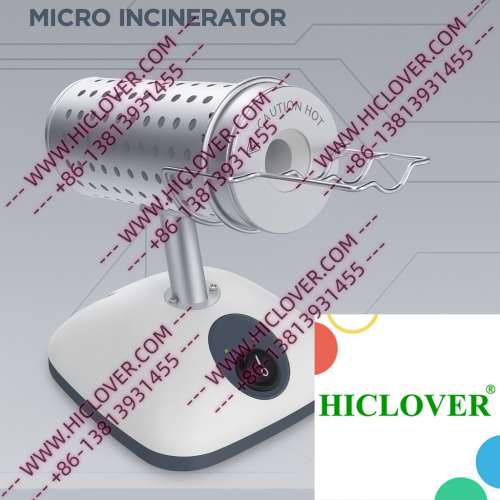
The Micro Incinerator operates on the principles of rapid thermal sterilization. Unlike traditional flame sterilizers such as alcohol lamps or Bunsen burners that produce open flames, which can pose a risk in clean environments, the Micro Incinerator employs an enclosed ceramic tube heated by infrared rays. This not only allows for efficient disinfection but also ensures that the sterilization process is safe and effective.
Infrared heat is a powerful modality for achieving high-temperature disinfection. The closed system minimizes the risk of contamination through aerosolization, making it particularly suitable for sensitive laboratory environments. The design also features a user-friendly interface, enabling quick adjustments to ensure that optimal temperatures are maintained, regardless of the type of material being sterilized.
Application Scenarios in Real Labs
Biosafety Cabinets
In BSL-2 and BSL-3 microbiology labs, maintaining sterility is non-negotiable. The Micro Incinerator can be integrated into biosafety cabinets, allowing researchers to sterilize inoculating loops, needles, and other equipment without introducing new contaminants. This setup not only meets strict compliance standards but also enhances workflow efficiency by reducing the time spent on tool sterilization between experiments.
Field Testing Labs
Mobile or field testing labs, particularly those focused on environmental assessments or disease monitoring, face unique challenges in maintaining sterilization protocols due to limited resources. The portability and compact design of the Micro Incinerator allow researchers to carry out sterilization in the field effectively. The rapid heat generation ensures that tools used for collecting samples remain free of contaminants while also being compliant with WHO biosafety standards.
Compliance with Sterilization Standards
Compliance with laboratory sterilization standards, including those set by the World Health Organization, is crucial for any laboratory setting. The Micro Incinerator meets these standards by ensuring the absence of flames in clean rooms, protecting both personnel and sensitive samples. Its aerol-free handling not only provides safety but also enhances the reliability of results, critical when working in clinical diagnostics or disease testing scenarios.
Here are some of the compliance elements achieved by employing Micro Incinerators:
- Regulation adherence to WHO biosafety guidelines.
- Alignment with laboratory sterilization standards across various jurisdictions.
- Compliance with cleanroom environmental controls for sterilization processes.
Comparison with Traditional Flame Sterilizers
Feature Micro Incinerator Flame Burners
Heating Method Infrared, enclosed Open flame
Contamination Risk Minimal High
Temperature Control Precise Variable
Portability High Medium-Low
Safety in Clean Rooms Ideal Not suitable
As the table illustrates, the advantages of using Micro Incinerators over traditional flame sterilizers significantly enhance lab safety and operational efficiency.
Frequently Asked Questions
1. What is the primary function of a Micro Incinerator?
The Micro Incinerator is primarily designed for the rapid thermal sterilization of inoculating loops, needles, and other laboratory equipment, ensuring contamination control.
2. Is the Micro Incinerator safe to use in BSL-2 or BSL-3 environments?
Yes, the Micro Incinerator is specifically designed to meet the stringent safety requirements of BSL-2 and BSL-3 labs.
3. How does infrared sterilization compare to traditional methods?
Infrared sterilization is faster and poses less risk of contamination as it eliminates open flames, providing a safer alternative in sensitive environments.
4. Can I use a Micro Incinerator in teaching labs?
Absolutely! Teaching labs can benefit from the Micro Incinerator as it enhances student safety while providing effective sterilization training.
5. What are the environmental impacts of using Micro Incinerators?
Micro Incinerators greatly reduce waste and pollution associated with traditional sterilization methods, as they do not produce harmful residues or emissions.
Conclusion
In summary, the incorporation of high-efficiency Micro Incinerators, particularly the Infrared Inoculating Loop Sterilizer, represents a significant advancement in laboratory sterilization. These devices respond to mounting biosafety challenges while promoting environmentally friendly practices. Whether in a laboratory, field testing, or educational setting, the Micro Incinerator enhances workflow and compliance with global safety standards.
We invite laboratory supply distributors, hospitals, and universities to explore options for integrating Micro Incinerators into their facilities. Reach out today to discover how you can elevate your sterilization processes and ensure laboratory safety.
Categories:
Tags: