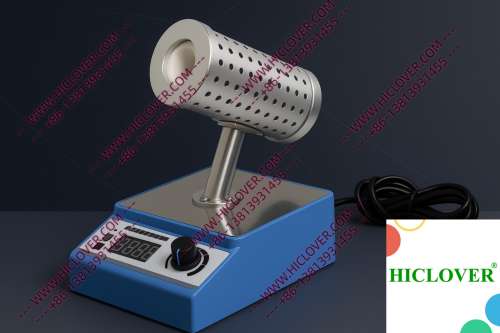
As Belgium continually strives to maintain its status as a leader in sustainable waste management, the future of waste disposal is evolving swiftly towards advanced technologies. Center stage in this evolution is the implementation of micro incinerators, particularly within laboratory settings where biosafety and sterilization are paramount. Laboratory facilities often face practical challenges such as effective contamination control and rapid thermal sterilization. Here, we explore how micro incinerators, especially the Infrared Inoculating Loop Sterilizer, are revolutionizing sterilization workflows in various laboratory environments.
Understanding Micro Incinerators
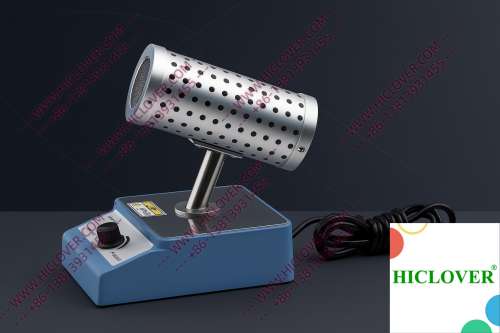
Micro incinerators harness the power of infrared heat for sterilizing laboratory equipment and materials. Unlike traditional flame sterilizers such as alcohol lamps or Bunsen burners, the Micro Incinerator employs an enclosed ceramic heating chamber that generates high temperatures rapidly without producing harmful fumes. This setup is ideal for various laboratory applications, effectively catering to both BSL-2 and BSL-3 microbiology labs, as well as clinical diagnostics, university teaching labs, and even mobile field testing labs.
Technical Principles Behind the Technology
The technical configuration of a micro incinerator is designed to maximize efficiency and safety. The infrared technology enables a quick increase in temperature, ensuring that instruments like inoculating loops are sterilized within seconds. The enclosed design prevents the escape of aerosols, making it a clean-bench-safe option compared to traditional methods. The ceramic heating tube provides uniform heating and minimizes the risk of burns or accidents that are common with open flames.
Application Scenarios in Real Labs
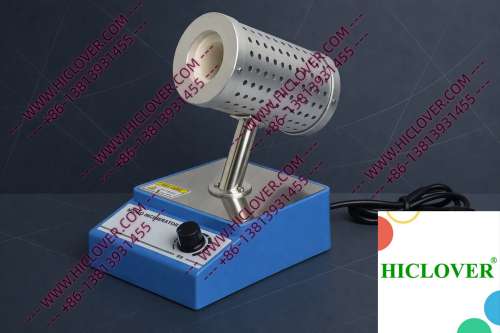
1. Teaching Labs
In academia, teaching labs focusing on microbiology require consistent sterilization of inoculating loops during practicals. With the Micro Incinerator, students can perform sterilization safely without risking exposure to open flames. Its portability ensures that instructors can set up in various learning spaces, facilitating a flexible learning environment. The rapid thermal sterilization capability allows seamless workflow during busy lab sessions, ensuring that students can focus on their experiments without concerning themselves with outdated sterilization methods.
2. Field Testing Labs
For mobile or field testing labs, the Micro Incinerator brings unparalleled advantages. In scenarios where traditional sterilizers are impractical, the compact design and efficient operation of infrared inoculating loop sterilizers enable researchers to conduct necessary sterilization swiftly and effectively. In remote locations, where access to electrical outlets might be limited, battery-operated versions can maintain high standards of biosafety and contamination control.
Compliance and Environment Considerations
Compliance with stringent biosafety standards is crucial in laboratory environments. The World Health Organization emphasizes the importance of maintaining proper sterilization techniques to prevent pathogen spread. The new generation of micro incinerators adheres to lab sterilization standards, ensuring that no flame is present in clean rooms—thus minimizing the risk of contamination. Their design supports the safe handling of equipment without generating aerosols, further enhancing safety protocols.
“Micro incinerators provide laboratory facilities with cutting-edge solutions for safe and efficient sterilization.”
Micro Incinerator vs. Traditional Flame Sterilizers
| Feature | Micro Incinerator | Traditional Flame Sterilizers |
|---|---|---|
| Heat Source | Infrared | Open Flame |
| Safety | Low risk of burns and aerosol generation | High risk of burns and contamination |
| Speed | Rapid response time | Variable response time |
| Environment | Clean-bench-safe | Not suitable for clean rooms |
| Convenience | Portable and battery-operated options available | Bulky and less versatile |
Frequently Asked Questions
- What is a Micro Incinerator?
A Micro Incinerator is an advanced sterilization device that uses infrared technology to safely and efficiently sterilize laboratory instruments. - How does infrared sterilization work?
Infrared sterilization employs high temperatures generated within a ceramic heating tube to rapidly disinfect instruments without needing an open flame. - What settings can benefit from using a Micro Incinerator?
BSL-2 and BSL-3 labs, educational institutions, and field testing labs can all enhance their sterilization protocols using micro incinerators. - Are there any safety standards I should consider?
Yes, compliance with WHO biosafety standards and laboratory sterilization guidelines is crucial for the safe operation of laboratory equipment. - Why switch from traditional flame sterilizers to a Micro Incinerator?
Micro Incinerators offer advantages such as increased safety, efficiency, reduced risk of contamination, and compliance with clean room requirements.
Conclusion
With Belgium’s commitment to sustainable waste disposal and the growing importance of biosafety in laboratory settings, the future of sterilization technology is bright. Micro incinerators, especially infrared inoculating loop sterilizers, are paving the way towards more efficient, safer, and easier sterilization processes. Transitioning from traditional flame sterilizers to advanced micro incinerators not only enhances reliability but also aligns with the increasing need for contamination control in various laboratory environments. For a comprehensive range of options tailored for your laboratory needs, we encourage you to reach out for a consultation or purchase today!
Categories:
Tags: