
As the global focus on laboratory biosafety and efficient waste disposal intensifies, especially in urban environments like Tokyo, innovative solutions for sterilization are becoming essential. Laboratories face significant challenges in maintaining contamination control while adhering to stringent biosafety regulations. Among the most groundbreaking advancements in sterilization technology are micro incinerators, particularly the infrared inoculating loop sterilizer. This fascinating equipment is revolutionizing how sterilization is conducted in various laboratory settings.
Understanding the Technical Principles of Micro Incinerators
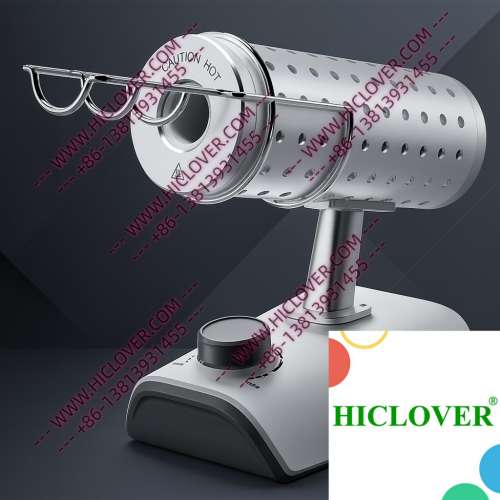
Micro incinerators operate using the principle of rapid thermal sterilization, utilizing infrared heat to achieve high-temperature disinfection. These devices feature an enclosed ceramic tube, which is heated to a precise temperature, ensuring that even the most resilient microbial agents are swiftly eradicated. This method provides a clean, flame-free environment ideal for biosafety laboratories and clean rooms.
One of the standout features of micro incinerators is their ability to control aerosol emissions. With traditional flame sterilizers like alcohol lamps and Bunsen burners, there is always a risk of aerosols being generated during the sterilization process, which could potentially lead to contamination. In contrast, micro incinerators offer a clean-bench-safe operation that mitigates these hazards.
Applications of Micro Incinerators in Laboratory Settings
Micro incinerators have a broad spectrum of applications in various laboratory environments. Here are two distinct scenarios where these devices are particularly beneficial:
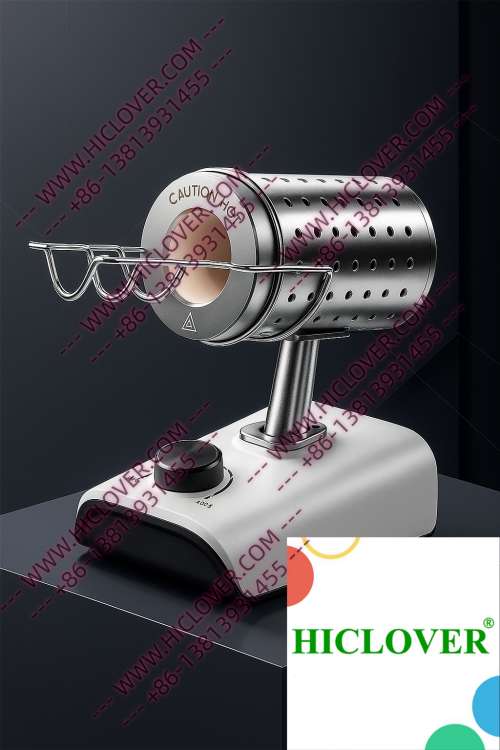
- Biosafety Cabinets: In a BSL-2 or BSL-3 microbiology lab, sterilization of inoculating loops is crucial for maintaining a sterile work environment. Micro incinerators fit seamlessly within these settings, providing rapid sterilization without increasing contamination risks.
- Field Testing Labs: Mobile labs engaged in field testing can rely on micro incinerators for quick sterilization of sample collection devices on-site. This capability is vital for ensuring that samples remain uncontaminated and reliable.
Compliance and Environmental Considerations
Compliance with international biosafety standards is crucial for any laboratory operation. Organizations such as the World Health Organization (WHO) provide guidelines that dictate necessary sterilization practices aimed at preventing the spread of infections. Micro incinerators align well with these standards, as their operation does not involve open flames, making them suitable for clean rooms and sensitive laboratory environments.
The infrared inoculating loop sterilizer also adheres to laboratory sterilization standards, ensuring that labs can maintain their accredited status while efficiently managing waste disposal and contamination control. This makes them a preferred choice for clinical diagnostics and teaching labs in Japan, where the demand for high-quality biosafety is paramount.
Micro Incinerator vs. Traditional Flame Sterilizers
| Feature | Micro Incinerator | Flame Sterilizers |
|---|---|---|
| Temperature Control | Rapid, precise control | Variable, less precise |
| Aerosol Generation | No aerosols | Yes, potential risk |
| Safety in Clean Rooms | Compliant | Non-compliant |
| Ease of Use | Simple design, quick operation | Requires more skill |
Frequently Asked Questions (FAQs)
What is a micro incinerator?
A micro incinerator is a specialized laboratory sterilization device that uses infrared heat to rapidly sterilize inoculating loops and other tools without generating aerosols or open flames.
How does an infrared inoculating loop sterilizer work?
This sterilizer utilizes a ceramic heating chamber that provides targeted heat, ensuring consistent and effective disinfection of lab instruments.
Are micro incinerators compliant with WHO protocols?
Yes, micro incinerators meet international biosafety standards set by organizations such as WHO, making them safe for use in various laboratory environments.
Can micro incinerators be used in field laboratories?
Absolutely. Their compact design and efficient sterilization capabilities make them ideal for mobile or field testing laboratories.
What advantages do micro incinerators offer over traditional sterilizers?
Micro incinerators provide faster, cleaner sterilization without the risks associated with open flames, making them safer and more efficient in contamination control.
Conclusion: Elevate Your Laboratory’s Sterilization Practices
With a pressing need for effective biosafety solutions, micro incinerators, such as the infrared inoculating loop sterilizer, are paving the way for the future of waste disposal and sterilization in Tokyo and beyond. Their compliance with international standards, combined with their precision and safety features, makes them indispensable in laboratories across various sectors, including healthcare and education.
If you are looking to upgrade your laboratory’s sterilization equipment, consider investing in a micro incinerator today. Contact us for more information or to request a quote on our high-quality sterilization equipment.
Categories:
Tags: