
In today’s rapidly evolving laboratory environment, effective biosafety measures and sterilization workflows are paramount. Researchers and educators in clinical diagnostics, microbiology labs, and teaching institutions face the ongoing challenge of ensuring contamination control while complying with stringent safety standards. Traditional sterilization methods, such as Bunsen burners and alcohol lamps, may not adequately address these challenges, leading to increased interest in advanced technologies like Micro Incinerators, particularly the Infrared Inoculating Loop Sterilizer.
Understanding Micro Incinerators
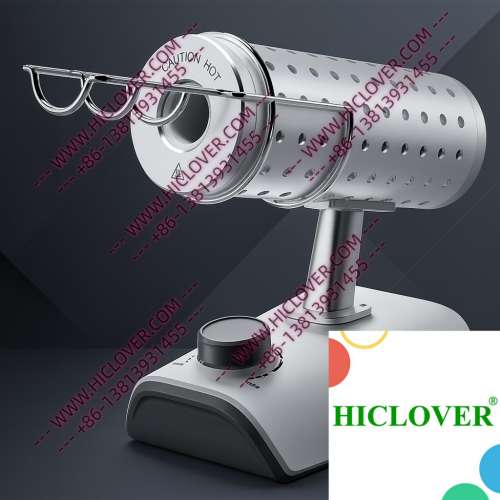
The Micro Incinerator operates on a fascinating technical principle: infrared heat. Unlike conventional flame-based sterilizers, it utilizes a ceramic heating chamber that generates high temperatures, ensuring rapid thermal sterilization and dousing any microbial threat effectively within seconds. This technology prevents the creation of aerosols, a significant advantage in clean bench environments and high-safety laboratories.
Features of the Micro Incinerator
- Rapid Thermal Sterilization: Achieves full disinfection in less than 10 seconds.
- Contamination Control: Eliminates aerosols, making it a safer choice for biosafety cabinets.
- Durable Ceramic Design: Provides long-lasting performance without the need for flame, reducing fire hazards.
- Eco-friendly: Reduces reliance on alcohol, minimizing waste and chemical exposure.
Applications in Real Laboratories
Micro Incinerators shine in various setting, especially in BSL-2 and BSL-3 microbiology laboratories, field testing environments, and academic teaching labs. Here are two practical application scenarios:
1. Biosafety Cabinet Sterilization
In a BSL-2 lab, maintaining a sterile environment is crucial. The Micro Incinerator can be integrated seamlessly into biosafety cabinets where it can sterilize inoculating loops and other instruments quickly and without producing harmful aerosols. The rapid sterilization ensures that researchers can work efficiently without compromising safety. As a result, laboratory processes are streamlined while maintaining compliance with WHO biosafety guidelines and lab sterilization standards.
2. Field Testing Operations
In mobile or field testing labs, where traditional flame sterilizers may pose significant risks, the infrared technology of the Micro Incinerator provides a safe alternative. Its lightweight design allows researchers to transport it efficiently, enabling on-site sterilization of tools and samples. This innovation is especially beneficial in remote locations where maintaining a sterile environment is essential for clinical diagnostics.
Compliance & Environmental Considerations
Adhering to local and international biosafety guidelines is a priority in laboratory work. The Micro Incinerator stands compliant with the stringent requirements set by organizations like the WHO, specifically in sterilizing biohazardous materials. Unlike flame-based methods, this device ensures that there is no flame in clean rooms, preventing potential ignition sources that could compromise the controlled environment.
Comparison of Sterilization Options
| Feature | Micro Incinerator | Flame Sterilizers |
|---|---|---|
| Heat Source | Infrared ceramic | Open flame |
| Aerosol Generation | No | Yes |
| Safety | High | Moderate |
| Environmental Impact | Lower | Higher (flammable liquids) |
| Operational Efficiency | Rapid | Variable |
FAQs
1. How does the Micro Incinerator ensure rapid sterilization?
Utilizing high infrared heat, the Micro Incinerator can achieve sterilization in less than 10 seconds, effectively eliminating bacterial and viral contaminants.
2. Is the Micro Incinerator safe for use in BSL-3 labs?
Yes, the Micro Incinerator is designed based on strict biosafety protocols, ensuring safe usage in high-containment laboratories by eliminating aerosols during operations.
3. Can the Micro Incinerator be used in field testing setups?
Absolutely, its portable design and efficient sterilization capabilities make it an excellent choice for field testing applications, where traditional flame methods may be hazardous.
4. How does it compare cost-wise to traditional sterilization methods?
While the initial investment might be higher, the operational efficiency and reduced need for consumables can lead to lower lifetime costs.
5. Are there any specific certifications for the Micro Incinerator?
The Micro Incinerator complies with various laboratory sterilization standards, providing researchers with the assurance that it meets industry requirements for safety and efficacy.
Conclusion
As laboratory environments continue to evolve, the need for advanced sterilization solutions is clearer than ever. The Micro Incinerator or Infrared Inoculating Loop Sterilizer represents a significant leap forward in sterilization technology, tackling the pressing challenges of contamination control and safety in diverse laboratory settings. Whether in field testing, educational spaces, or BSL-3 microbiology labs, this innovative equipment enhances workflow while ensuring compliance with rigorous biosafety standards. For inquiries about acquiring this essential laboratory tool, please reach out to us for further information.
Categories:
Tags: