
As laboratories increasingly focus on biosafety and efficient sterilization processes, issues surrounding contamination control and sterilization workflows have come to the forefront. Among these modern solutions is the Micro Incinerator / Infrared Inoculating Loop Sterilizer, which represents a significant leap forward in laboratory sterilization technology. This innovative tool plays a crucial role in the waste management landscape, particularly in Denmark, where micro incineration initiatives are gaining ground.
Understanding the Micro Incinerator: Principle and Design

The Micro Incinerator utilizes rapid thermal sterilization via an enclosed ceramic tube that houses infrared heating elements. The principle is straightforward: by applying high-temperature disinfection through infrared radiation, the device effectively sterilizes inoculating loops, culture plates, and other tools that come into contact with biological samples. This technology offers several advantages over traditional flame sterilizers, including:
- Safety: No naked flame reduces fire hazards, making it suitable for use in clean benches.
- Efficiency: Rapid heat application minimizes wait times and streamlines workflows.
- Contamination Control: Aerosol-free handling of instruments helps prevent the spread of pathogens.
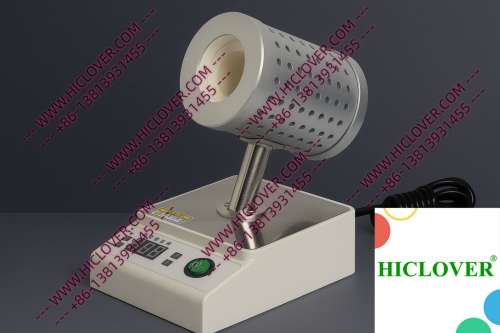
Moreover, the ceramic heating chamber ensures uniform heat distribution, allowing for consistent sterilization results every time. This is particularly vital in research environments where laboratory protocols must adhere to strict compliance regulations.
Application Scenarios in Advanced Laboratory Settings
Biosafety Cabinets
In BSL-2 or BSL-3 microbiology labs, maintaining a sterile environment is paramount. The Micro Incinerator is often integrated into biosafety cabinets, where it provides a reliable means of sterilizing tools without compromising the sterile field. The lack of flame minimizes the risk of igniting flammable substances, making it an essential tool for researchers handling potentially dangerous microorganisms.
Field Testing Labs
Mobile or field testing labs, often set up in remote locations, require versatile and efficient sterilization methods. The infrared inoculating loop sterilizer is lightweight and portable, making it an ideal choice for onsite sterilization of various equipment. This capability allows researchers to work efficiently and safely, minimizing downtime and ensuring accurate results in diverse environments.
Biosafety Standards and Compliance Considerations
Laboratory sterilization adherence to international biosafety standards is crucial. The World Health Organization (WHO) outlines stringent guidelines for microbiological laboratories, emphasizing the importance of effective sterilization methods to prevent the spread of infections. The Micro Incinerator aligns with these guidelines, offering an innovative approach that mitigates the risks associated with open flames in cleanroom environments—an especially relevant consideration in clinical diagnostics and research labs.
Compliance with lab sterilization standards is not merely recommended; it is required. Utilizing devices like the Micro Incinerator aids in passing regulatory audits and ensures that labs maintain the highest levels of operational safety.
Comparative Analysis: Micro Incinerator vs. Traditional Flame Burners
| Feature | Micro Incinerator | Flame Burners |
|---|---|---|
| Heat Source | Infrared | Open Flame |
| Safety | High – No open flames | Lower – Fire hazard present |
| Efficiency | Rapid sterilization | Variable; longer wait times |
| Contamination Control | Aerosol-free | Possibly aerosol generation |
| Portability | Lightweight and compact | Less mobile |
Frequently Asked Questions About Micro Incinerators
What types of materials can be sterilized using a Micro Incinerator?
The Micro Incinerator is designed to sterilize metal instruments such as inoculating loops, needles, and blades. It can also be used for glassware and other heat-resistant materials.
How does an infrared inoculating loop sterilizer compare to traditional methods in terms of user experience?
The user experience is significantly enhanced; users enjoy quicker sterilization times without the risk of burns or flame-related accidents, allowing them to maintain focus on their work rather than equipment hazards.
Is the Micro Incinerator compliant with WHO and other international safety standards?
Yes, the Micro Incinerator meets several international biosafety and sterilization standards, making it a reliable choice for institutions focused on compliance.
Can this device be used in teaching laboratories?
Absolutely! The Micro Incinerator is ideal for university teaching labs, providing a safe and efficient method of sterilization while educating students on advanced sterilization techniques.
Does the Micro Incinerator require special training to use?
No, but users should be familiar with basic sterilization protocols. Its design allows intuitive operation, promoting ease of use among lab personnel.
Conclusion: Join Denmark’s Micro Incineration Revolution
As the future of waste management in laboratories continues to evolve, embracing cutting-edge technology such as the Micro Incinerator / Infrared Inoculating Loop Sterilizer is essential. Its benefits over traditional sterilization methods promise improved safety, efficiency, and compliance with biosafety standards. For laboratories looking to streamline their sterilization processes while adhering to strict safety regulations, this innovative device is an invaluable asset.
To learn more about how you can integrate this state-of-the-art sterilization solution into your laboratory or institution, reach out to our team today for a demo or quotation!
Categories:
Tags: