
In the modern laboratory environment, where biosafety and sterilization workflows are pivotal, challenges persist. Laboratories, especially those handling infectious agents, face the dual task of ensuring thorough sterilization while adhering to strict safety protocols. Traditional sterilizing techniques like alcohol lamps and Bunsen burners pose risks such as open flames, which can compromise cleanliness in sensitive environments. As a result, innovative technology for rapid thermal sterilization, such as the Micro Incinerator or Infrared Inoculating Loop Sterilizer, is capturing attention in Germany and beyond.
Understanding the Technology
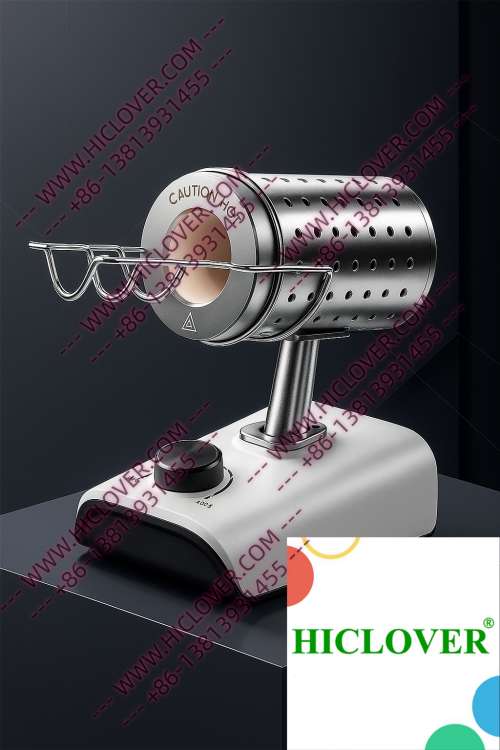
The Micro Incinerator operates on the principle of infrared heat presented within an enclosed ceramic tube. This design allows for high-temperature disinfection without the drawbacks of open flames, making it safe for clean environments. The furnace can reach up to 850°C, ensuring rapid sterilization of inoculating loops, needles, and other metal implements while minimizing aerosol generation.
Unlike traditional flame sterilizers, which can produce unwanted contaminants and require extensive cleaning after use, the Micro Incinerator promotes contamination control through its closed system. The ceramic heating chamber offers an efficient and consistent heat source that sterilizes quickly and effectively, making workflow enhancements substantial.
Applications in Real Laboratory Settings
1. Biosafety Cabinets
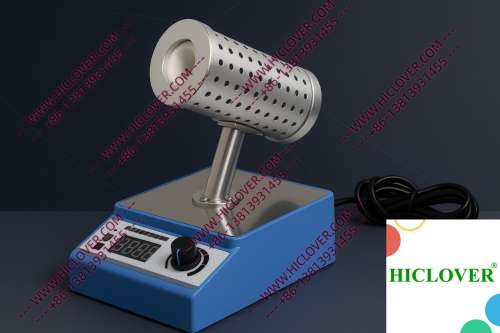
Micro Incinerators are particularly valuable within Biosafety Level 2 (BSL-2) and Level 3 (BSL-3) microbiology labs, where sterilization and contamination control are non-negotiable. In these environments, the use of traditional flame sterilizers is often prohibited due to the risk of open flames igniting hazardous materials. The Micro Incinerator’s enclosed design ensures that there is no flame, meeting compliance needs while providing rapid thermal sterilization for laboratory instruments.
2. Teaching Labs
In university teaching labs, where students operate inoculating loops frequently, safety remains a priority. Incorporating the Micro Incinerator ensures that even novice users can efficiently and effectively sterilize tools without the safety risks associated with flames. Its straightforward operation not only simplifies teaching but also instills best practices in new microbiologists, equipping them for future careers in clinical diagnostics or research.
Compliance and Environmental Concerns
Germany’s commitment to advancing sustainable waste management and biosafety is pivotal in laboratory practices. The World Health Organization (WHO) emphasizes stringent guidelines for laboratory sterilization, ensuring that no flammable materials are present in clean environments. Using a Micro Incinerator aligns with these standards and regulatory requirements, as it fulfills the criteria for safe practice in environments handling pathogens.
Furthermore, as part of Germany’s push for innovative waste management technologies, utilizing the Micro Incinerator contributes to waste reduction through efficient sterilization processes, minimizing the risk of environmental contamination.
Comparison of Sterilization Methods
| Feature | Micro Incinerator | Traditional Flame Sterilizer (Bunsen Burner) |
|---|---|---|
| Safety | Closed system, no flame | Open flames, risk of burns |
| Speed | Rapid thermal sterilization | Variable based on technique |
| Contamination Control | Low aerosol generation | High risk of aerosol spread |
| Environmental Compliance | Meets WHO standards | Potentially non-compliant |
Frequently Asked Questions
- What is a Micro Incinerator? – It is an advanced sterilization device that utilizes infrared heat to sterilize inoculating loops and other laboratory tools safely.
- How does it differ from traditional sterilizers? – Unlike traditional flame sterilizers, the Micro Incinerator does not produce an open flame, making it safer and compliant with biosafety regulations.
- Can I use it in a BSL-3 lab? – Yes, the Micro Incinerator is designed for use in high-containment environments, complying with safety standards.
- What are the benefits of using it? – Benefits include rapid sterilization, improved safety, reduced contamination risk, and ease of use in lab workflows.
- Is it suitable for teaching labs? – Absolutely! It’s user-friendly and promotes best practices among students in microbiology.
Conclusion
Germany’s forward-thinking approach to waste management and biosafety positions the Micro Incinerator as an essential tool for laboratories aiming for compliance without compromising safety or efficiency. As the demand for advanced sterilization technology increases, investment in high-quality Micro Incinerators will enhance operational workflows in clinical diagnostics, research, and educational settings. For those seeking to elevate their sterilization processes, consider investing in a Micro Incinerator that prioritizes both effectiveness and safety.
For inquiries and purchases, contact us to learn how our Micro Incinerator can transform your laboratory’s sterilization practices.
Categories:
Tags: