
As Uganda continues to advance in medical and scientific research, laboratories are frequently confronted with significant biosafety challenges and sterilization workflow demands. The requirement for effective and efficient waste management solutions has never been more critical. Particularly in settings like BSL-2 and BSL-3 microbiology labs, the need for rapid thermal sterilization methods is imperative to ensure contamination control and safety. Among the emerging technologies that hold promise for improving sterilization is the Micro Incinerator, particularly the Infrared Inoculating Loop Sterilizer.
Understanding Technical Principles
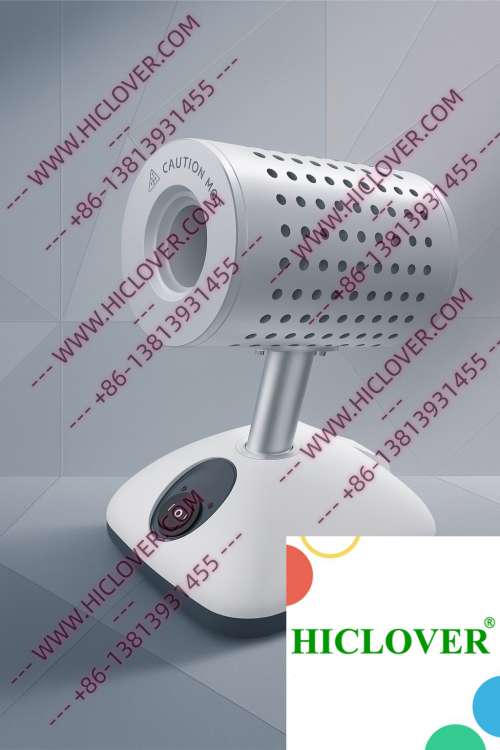
The Micro Incinerator utilizes infrared heat generated at an incredibly high temperature, ensuring immediate and effective sterilization without the need for open flames or hazardous alcohol lamps. This advanced device features a patented enclosed ceramic heating chamber that delivers uniform heating, providing a rapid and consistent method for various sterilization tasks.
- Enclosed Design: The ceramic tube is designed to minimize environmental exposure and aerosol generation.
- Infrared Efficiency: Infrared heating offers quicker heating times compared to traditional flame sterilizers.
- Temperature Control: Adjustable settings for different sterilization needs, from inoculating loops to pipettes.
Applications in Real Laboratories
The Micro Incinerator finds diverse applications across various lab settings, significantly enhancing the workflow and safety protocols. Let’s explore two notable scenarios:
- Biosafety Cabinet Operations: In many research labs, especially in clinical diagnostics, open flame sterilization is often discouraged due to the risk of fire hazards and contamination. Utilizing a Micro Incinerator within a biosafety cabinet allows for clean-bench-safe sterilization while maintaining a controlled environment, eliminating microbial contaminants effectively.
- Field Testing in Mobile Labs: For field-testing labs, such as those deployed for environmental sampling or public health studies, portability and efficiency are crucial. Micro Incinerators can be compact, easily transported, and provide a reliable sterilization solution in remote locations where traditional flames may not be achievable.
Compliance and Environmental Considerations
Adhering to biosafety standards is critical in laboratory operations. The World Health Organization (WHO) has outlined several guidelines for laboratory sterilization, emphasizing the importance of minimizing aerosol generation and adhering to sterile techniques. The Micro Incinerator stands out in this regard:
- Offers compliance with WHO biosafety regulations to ensure safe handling of infectious materials.
- Eliminates the use of open flames in clean rooms, preserving sterile conditions and preventing hazardous fumes.
- Suitable for laboratories focused on environmental and health-related tests that demand high sterilization standards while minimizing environmental impact.
Micro Incinerators contribute significantly to the daily operations of university teaching labs and research facilities across Uganda, aiding both teaching and practical applications.
Comparative Analysis: Advantages of Micro Incinerators Over Traditional Flame Sterilizers
| Feature | Micro Incinerator | Flame Sterilizers |
|---|---|---|
| Heating Method | Infrared Heat | Open Flame |
| Contamination Control | Minimal Aerosol Generation | Higher Risk of Contamination |
| Temperature Consistency | Uniform Heating | Variable Heating |
| Ease of Use | Simple and Portable | Requires Flame Handling |
| Compliance with Cleanroom Standards | Fully Compliant | Partially Compliant |
Frequently Asked Questions
How does the Micro Incinerator differ from traditional sterilizers?
The Micro Incinerator uses infrared heat for rapid sterilization, eliminates open flames, and minimizes aerosol generation, enhancing both safety and efficiency in sterilization processes.
In which laboratory settings can a Micro Incinerator be utilized effectively?
Micro Incinerators are ideal for BSL-2 and BSL-3 microbiology labs, clinical diagnostics, university teaching labs, and even mobile or field-testing laboratories.
What are the safety features of the Micro Incinerator?
The Micro Incinerator is designed with an enclosed ceramic heating chamber, which reduces the risks associated with open flames and significantly lowers the risk of contamination in sensitive environments.
Is the Micro Incinerator compliant with international biosafety standards?
Yes, the Micro Incinerator meets WHO biosafety recommendations and is suitable for use in cleanroom settings where sterilization without flames is necessary.
What advantages does the Micro Incinerator offer for teaching laboratories?
It provides a safe, efficient, and reliable method for sterilization, facilitating hands-on training in biosafety practices without the hazards associated with flame use.
Conclusion
As Uganda positions itself as a leader in laboratory capabilities and advanced research, the adoption of technologies like micro incinerators represents a pivotal step forward in waste management and sterilization practices. The Infrared Inoculating Loop Sterilizer not only enhances the efficiency and safety of sterilization workflows but also aligns with necessary compliance and environmental considerations. If you are interested in upgrading your laboratory’s sterilization techniques or require expert advice on best practices, feel free to contact us for more information on our cutting-edge solutions!
Categories:
Tags: