
As global awareness surrounding environmental sustainability increases, the challenges of laboratory biosafety and the need for effective waste management have come to the forefront. In Saudi Arabia, laboratories and research facilities face the pressing need to enhance their sterilization protocols, especially in an era where contamination control is crucial. Among the innovative solutions, Micro Incinerators, such as Infrared Inoculating Loop Sterilizers, are revolutionizing laboratory workflows and setting new standards for sterilization equipment.
Understanding Micro Incinerators
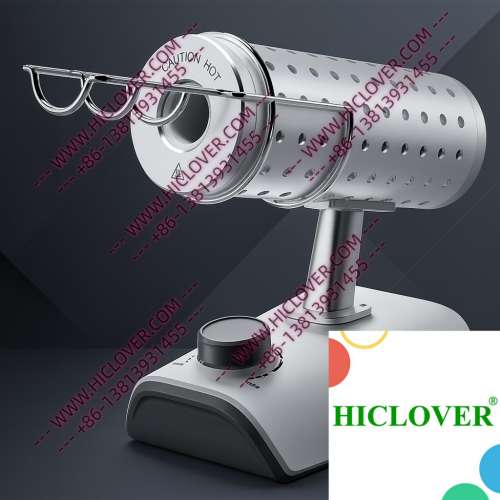
Micro Incinerators utilize advanced infrared heat technology to achieve rapid thermal sterilization, making them an ideal choice for various laboratory environments. Unlike traditional flame sterilizers such as alcohol lamps or Bunsen burners, which pose risks of open flames, the Micro Incinerator guarantees a clean, safe, and efficient sterilization process.
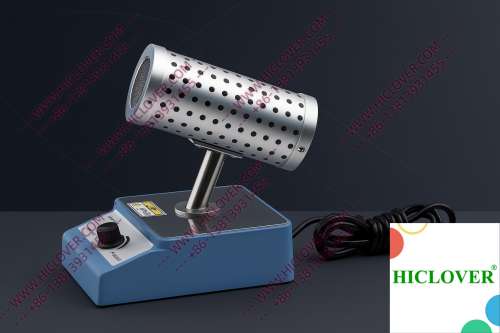
A typical Micro Incinerator features a compact design with an enclosed ceramic heating chamber. The infrared radiation emitted by the unit ensures high-temperature disinfection without aerosol formation, enabling users to handle sterilization tasks without the risk of creating harmful aerosols that can contaminate clean areas. This feature is particularly crucial in sensitive environments such as BSL-2 and BSL-3 microbiology labs, where strict contamination protocols must be followed.
Technical Advantages of Infrared Inoculating Loop Sterilizers
- Efficient Sterilization: Delivers rapid thermal sterilization in seconds.
- Reduced Contamination Risk: Eliminates open flames and aerosol generation.
- User-Friendly Design: Simple operation with minimal maintenance required.
- Compact Footprint: Fits easily within laboratory benches and cleanrooms.
Applications of Micro Incinerators in Laboratories
The versatility of Micro Incinerators allows them to excel in a variety of laboratory settings. Here are two prominent application scenarios:
1. Teaching Laboratories
In university teaching labs, instructors require reliable and safe sterilization methods for inoculating loops and other instruments. The Micro Incinerator’s rapid heat generation streamlines the sterilization process, allowing students to maintain focus on experiments rather than worrying about potential contamination issues. Furthermore, the infrared technology supports clean-bench-safe operations, preserving sterile environments essential for educational settings.
2. Biosafety Cabinets
For laboratories operating under biosafety conditions, the Micro Incinerator is invaluable. When conducting experiments with pathogens, scientists must ensure that every instrument used is fully sterilized. Located inside a biosafety cabinet, the Micro Incinerator allows for the sterilization of inoculating loops and other small equipment while maintaining a secure environment, crucial for protecting lab personnel and preventing contamination of biological samples.
Compliance and Environmental Considerations
Adherence to international guidelines, such as those set by the WHO for biosafety, is paramount in laboratory operations. The use of Micro Incinerators aligns with these standards, offering a method of sterilization that is safer and more efficient than traditional flame-based solutions. Furthermore, as cleanrooms prohibit open flames to minimize contamination risks, the Micro Incinerator’s design supports compliance with such stringent operational guidelines.
The ecological benefits of using Micro Incinerators also contribute to environmental sustainability goals. By providing an efficient means of sterilization that generates no smoke or hazardous waste, these devices help laboratories reduce their carbon footprint and environmental impact, resonating with the sustainability vision shared by many organizations within Saudi Arabia.
FAQs about Micro Incinerators
What are the primary benefits of using a Micro Incinerator over a traditional flame sterilizer?
The Micro Incinerator is safer, more efficient, eliminates aerosol formation, and is compatible with cleanroom standards, unlike traditional flame sterilizers.
Can Micro Incinerators be used in field testing environments?
Yes, their portable design and quick operation capabilities make them suitable for on-site field testing scenarios.
Are Micro Incinerators compliant with WHO biosafety standards?
Absolutely! They meet stringent biosafety requirements, ensuring safe sterilization practices in laboratories.
How does infrared sterilization work?
Infrared sterilization operates by rapidly heating instruments using infrared radiation to achieve high temperatures that effectively destroy contaminants without employing flame technology.
What types of labs benefit the most from using a Micro Incinerator?
BSL-2 and BSL-3 microbiology labs, teaching laboratories, and clinical diagnostics settings are all ideal environments for Micro Incinerators.
Comparison: Micro Incinerator vs. Flame Burners
| Feature | Micro Incinerator | Flame Burners (Bunsen, Alcohol Lamp) |
|---|---|---|
| Operational Safety | High – no open flames | Moderate – risk of burns and fire |
| Contamination Control | Aerosol-free handling | Can produce aerosols |
| Speed of Sterilization | Rapid – seconds | Variable – longer ignition times |
| Environmental Impact | Low – no hazardous by-products | Higher – emissions from flames |
| User-Friendly | Simple operation | Requires skill to operate safely |
Conclusion
As the landscape of waste management evolves in Saudi Arabia, Micro Incinerators like the Infrared Inoculating Loop Sterilizers emerge as vital tools for laboratories. Their innovative technology not only meets the rigorous demands of modern laboratory workflows but also contributes to broader environmental goals. If you are looking to upgrade your laboratory sterilization equipment or require further information about our Micro Incinerators, feel free to contact us today!
Categories:
Tags: