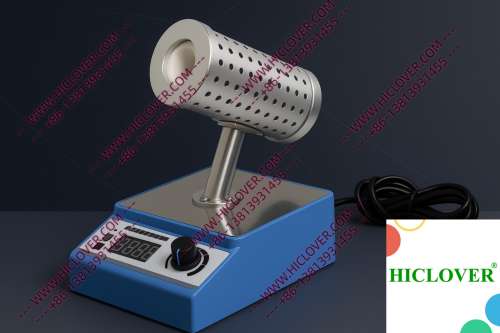
Biosafety challenges in laboratory settings continue to evolve as the demand for cleanliness and efficiency in microbial studies grows. One of the most critical workflows in microbiology labs—from BSL-2 to BSL-3 facilities—is the proper sterilization of inoculating needles. The introduction of innovations like the Micro Incinerator, or Infrared Inoculating Loop Sterilizer, has redefined our approach to sterilization while supporting contamination control and enhancing laboratory efficiency.
Laboratory Sterilization Challenges
When working in a lab, researchers face practical biosafety challenges, particularly concerning the efficacy of tools used for microbial handling. Traditional flame sterilizers, like alcohol lamps and Bunsen burners, although familiar, present risks: they can produce aerosols, contribute to contamination, and often require a more considerable time investment for sterilization. The current landscape calls for equipment that conforms to strictly regulated sterilization standards while ensuring an environment suitable for high-stakes microbiological work.
Technical Principles of Infrared Inoculating Loop Sterilizers
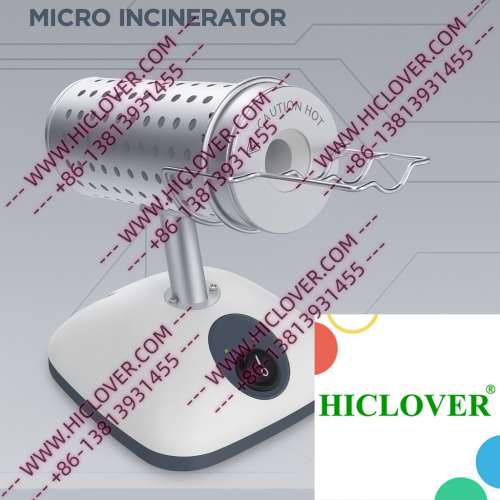
The Micro Incinerator leverages advanced infrared technology to achieve rapid thermal sterilization. At its core, this device utilizes an enclosed ceramic tube that efficiently heats to a high temperature, allowing for instantaneous needle sterilization. Unlike traditional flame-based methods, the Micro Incinerator ensures an aerosol-free handling process, significantly reducing chances of contamination during inoculation.
- Rapid Thermal Sterilization: Achieves sterilization in seconds, allowing for quicker workflows.
- Ceramic Heating Chamber: Provides an even distribution of heat, enhancing sterilization efficacy.
- Clean-bench Safe: Eliminates open flames, minimizing contamination risks.
- Eco-Friendly Operation: Saves energy while ensuring the highest standards of microbial safety.
Application Scenarios in Real Labs
1. Biosafety Cabinet Utilization
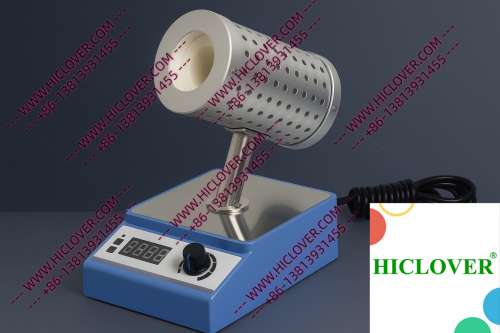
In a typical BSL-2 lab setting, researchers place their Micro Incinerators inside biosafety cabinets to maintain sterility while performing inoculations. The convenience of having an infrared inoculating loop sterilizer reduces the time that researchers must manage open flames, minimizing any potential for accidents that could compromise safety. This streamlined workflow not only keeps the workspace clean but also ensures compliance with stringent biosafety regulations.
2. Teaching Laboratories
Universities and educational institutions benefit greatly from adopting infrared sterilization methods in teaching labs. The Micro Incinerator enhances the training experience by allowing students to focus on important laboratory skills without the distraction and danger of open flames. Additionally, student safety improves, as these devices are designed to eliminate the risk of burns associated with traditional flame sterilizers.
Compliance and Environmental Considerations
When discussing laboratory sterilization practices, adherence to regulations set by organizations such as the WHO is paramount. The introduction of devices like the Micro Incinerator aligns with lab sterilization standards by ensuring that no flames are present in clean rooms and other sensitive environments. This compliance not only elevates safety but also contributes to a sustainable lab atmosphere that prioritizes both researcher and patient safety.
“Using the Micro Incinerator not only enhances our workflow but also ensures we meet the biosafety standards that are critical in today’s research landscape.” – Lead researcher, Microbiology department, University of XYZ.
Comparison: Micro Incinerator vs. Flame Burners
| Feature | Micro Incinerator | Flame Burners |
|---|---|---|
| Heat Source | Infrared Heat | Open Flame |
| Time to Sterilization | Seconds | Several Minutes |
| Contamination Risk | Minimal | High (due to aerosols) |
| Safety | Clean-bench Safe | Risk of Burns & Fire |
FAQs
What is the Micro Incinerator?
The Micro Incinerator is an infrared inoculating loop sterilizer designed to eliminate microbial contamination through rapid thermal sterilization.
How does an infrared inoculating loop sterilizer work?
This device uses directed infrared heat via an enclosed ceramic heating tube, achieving effective sterilization without producing harmful aerosols.
Can the Micro Incinerator be used in clean rooms?
Yes, its design ensures no open flames are present, making it highly suitable for controlled clean room environments.
What are the advantages of infrared sterilization over flame sterilizers?
Infrared sterilizers provide quicker sterilization times, lower contamination risks, and reduce the likelihood of burns or accidents associated with open flames.
Where can I purchase the Micro Incinerator?
Interested buyers, including laboratory supply distributors, hospitals, and universities, can find the Micro Incinerator through specialized laboratory equipment suppliers.
Conclusion
As laboratories worldwide face the ongoing challenges of maintaining biosafety standards while ensuring efficient workflows, innovations like the Micro Incinerator stand at the forefront of sterilization technology. Transitioning to infrared inoculating loop sterilizers not only enhances safety but also boosts productivity across various laboratory settings. For inquiries or to explore purchasing options, feel free to reach out to your laboratory supply distributor today.
Categories:
Tags: