
In the highly demanding environment of modern laboratories, the challenges of biosafety and contamination control are paramount. As laboratories are tasked with processing sensitive samples, ensuring the reliability and reproducibility of Polymerase Chain Reaction (PCR) results hinges significantly on effective sterilization methods. The incorporation of high-quality sterilization equipment, such as the Micro Incinerator or Infrared Inoculating Loop Sterilizer, can greatly mitigate contamination risks while enhancing the speed and efficiency of laboratory workflows.
Understanding the Technical Principles of Infrared Sterilization
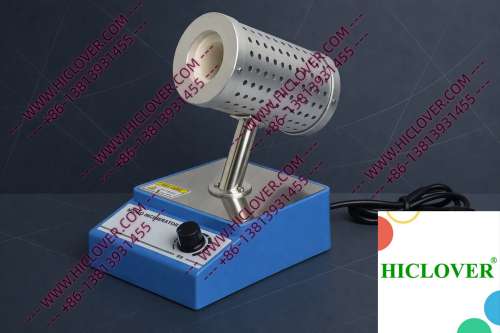
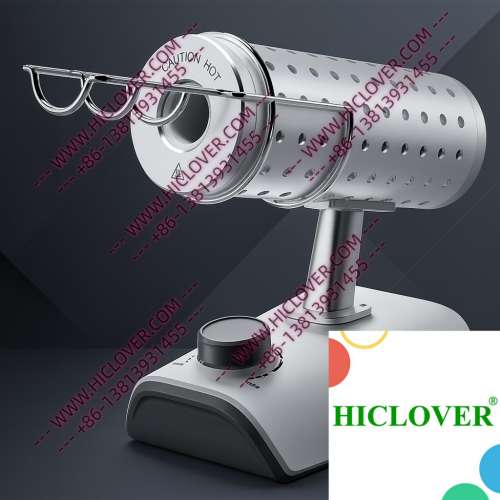
The Micro Incinerator operates using advanced infrared technology which involves a heated enclosed ceramic tube. When the inoculating loop is inserted into this tube, it experiences rapid thermal sterilization. Unlike traditional flame sterilizers, this method provides consistent high-temperature disinfection, quickly reaching temperatures conducive to killing off microbial contaminants. The key advantage of utilizing infrared heat is the absence of open flames, which eliminates the risks of aerosol contamination and the additional hazards associated with manual flame handling.
Applications in Real Laboratory Settings
Effective sterilization methods are crucial across various laboratory settings:
- BSL-2 and BSL-3 Microbiology Labs: In environments dealing with pathogenic microorganisms, the Micro Incinerator is instrumental in maintaining high safety standards. Its quick sterilization capabilities allow for a seamless workflow without compromising biosafety.
- University Teaching Labs: For educational institutes, an efficient sterilization tool enhances the training experience. Students learn the importance of sterilization in molecular biology techniques, reinforcing good laboratory practices early on.
- Field Testing Environments: Mobile microbiology teams benefit from portable sterilization solutions. The compact design of the Micro Incinerator allows for effective sterilization in remote locations, ensuring reliable results from field samples.
- What are the advantages of using a Micro Incinerator over a traditional flame sterilizer?
Micro Incinerators offer steady, high-temperature sterilization without the hazards associated with flames, thus enhancing biosafety and workflow efficiency. - How does infrared heat ensure complete sterilization?
The infrared method heats objects rapidly and uniformly, ensuring that all surfaces reach temperatures sufficient to kill microbial life instantly. - Can the Micro Incinerator be used in field testing applications?
Yes, its compact design and rapid sterilization capability make it ideal for field use, ensuring safety and reliability in remote testing. - Is the Micro Incinerator compliant with WHO biosafety standards?
Yes, it meets numerous laboratory sterilization protocols, making it suitable for high-level biosafety environments. - What is the typical lifespan of a Micro Incinerator?
With proper care, a Micro Incinerator can last for many years, outperforming traditional devices and ensuring consistent sterilization.
Comparative Analysis: Micro Incinerator vs. Traditional Flame Sterilizers
Feature Micro Incinerator Flame Sterilizers
Temperature Control Consistent infrared heat Variable, dependent on flame size
Contamination Risk No aerosols generated High risk due to flame handling
Accessibility in Clean Areas Compact, clean-bench-safe Not suitable due to open flame
Ease of Use One-touch operation Requires skill and experience
Compliance with Biosafety Standards
Adhering to biosafety protocols is non-negotiable in laboratories. The World Health Organization (WHO) advocates for strict compliance with laboratory sterilization standards, particularly in BSL-2 and BSL-3 settings where high-risk pathogens are handled. Traditional flame sterilizers pose a fire hazard and inconsistent performance, making them incompatible with clean-room environments. Infrared sterilizers, like the Micro Incinerator, adhere to these stringent requirements by providing a clean and efficient sterilization method without open flames.
Environmental Considerations in Laboratory Sterilization
Modern laboratories are becoming increasingly aware of their environmental footprint. The Micro Incinerator not only offers a safer means of sterilization but also contributes to sustainability by reducing the need for disposable sterilization tools, minimizing overall waste. This aligns with global laboratory initiatives aimed at promoting safer, cleaner laboratory practices while still meeting operational demands.
Frequently Asked Questions
Conclusion: Ensuring Reliability through Effective Sterilization
The importance of effective sterilization in ensuring the reliability and reproducibility of PCR is undeniable. Upgrading to a Micro Incinerator provides laboratories with a safer, more efficient sterilization option that supports compliance with existing biosafety standards. Whether you’re outfitting a university teaching lab, a BSL-2 facility, or a mobile testing lab, this innovative tool delivers on both functionality and safety. For inquiries and to explore how the Micro Incinerator can enhance your laboratory practices, please feel free to contact us.
Categories:
Tags: