
In the realm of laboratory biosafety, the efficacy of sterilization workflows is paramount. With increasing awareness of contamination risks in various laboratory settings, professionals are constantly seeking reliable sterilization equipment to enhance safety and efficiency. Among these innovations, the Micro Incinerator, also known as the Infrared Inoculating Loop Sterilizer, stands out as a transformative solution for modern culture transfer processes.
Understanding the Technical Principles Behind Infrared Sterilization
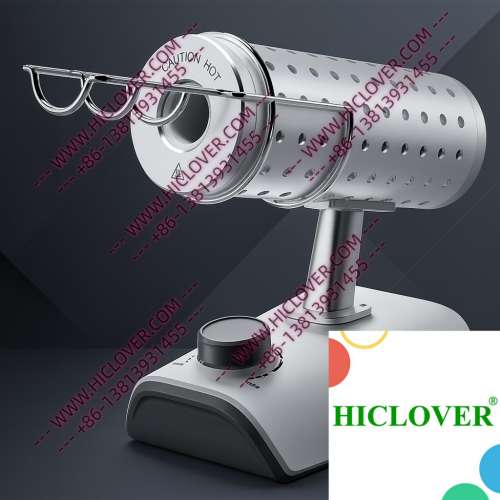
The Micro Incinerator employs advanced infrared heating technology, utilizing a specially designed enclosed ceramic tube that produces rapid thermal sterilization. This design enables the device to achieve high temperatures quickly—up to 800°C—without the risk associated with an open flame. Infrared high-temperature disinfection is not only effective but also enhances contamination control, as it eliminates the generation of aerosols, a common concern in many laboratory settings.
- Enclosed Ceramic Tube: Ensures targeted heat application and minimizes contamination risks.
- Rapid Thermal Sterilization: Achieves efficient heating in seconds, streamlining laboratory workflows.
- Aerosol-Free Handling: Reduces potential biohazard risks and enhances safety in sensitive environments.
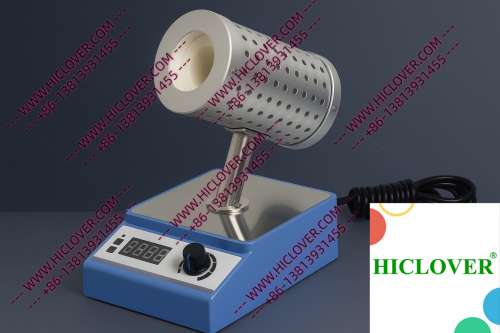
Applications of the Micro Incinerator in Diverse Laboratory Environments
The versatility of the Micro Incinerator makes it essential in various laboratory applications, including:
Biosafety Cabinet Usage
In BSL-2 and BSL-3 microbiology labs, the Micro Incinerator is utilized within biosafety cabinets to ensure a sterile environment. This is crucial when handling infectious materials where contamination can lead to dangerous outbreaks. The flame-free design allows for seamless operation without introducing additional risks into the workspace.
Field Testing and Clinical Diagnostics
In mobile or field testing labs, the portability and efficiency of the Micro Incinerator permit on-site sterilization of inoculating loops and other instruments. This capability is crucial in clinical diagnostics, where rapid results are necessary, and the risk of contamination must be minimized. The use of this tool aligns with regulatory requirements while enhancing overall workflow efficiency.
Compliance with International Biosafety Standards
The Micro Incinerator adheres to stringent WHO biosafety standards and laboratory sterilization regulations, making it a compliant choice for research and diagnostic laboratories worldwide. The absence of an open flame is particularly relevant in clean rooms and controlled environments, where even minor disturbances can compromise research integrity.
Laboratories are increasingly required to implement measures that reduce both environmental impact and fire hazards. Compliance with established standards not only ensures safer operations but also fosters trust in research outcomes.
Comparison of Micro Incinerator and Traditional Flame Sterilizers
| Feature | Micro Incinerator | Flame Sterilizers |
|---|---|---|
| Heating Time | Seconds | Minutes |
| Aerosol Generation | No | Yes |
| Heat Source | Infrared | Open Flame |
| Operational Safety | High | Moderate |
| Portability | High | Low |
FAQs About Micro Incinerator Technology
- What is the primary advantage of using a Micro Incinerator over traditional flame sterilizers?
The Micro Incinerator provides rapid thermal sterilization without the risks associated with open flames, such as aerosol generation and potential fire hazards. - Can the Micro Incinerator be used in undergraduate teaching labs?
Yes, the Micro Incinerator is an excellent tool for teaching laboratories, as it enhances safety while allowing students to learn proper sterilization techniques without the complications of flame-based systems. - How does the Micro Incinerator contribute to biosafety compliance?
The device complies with WHO biosafety standards, ensuring that sterilization processes in laboratories meet necessary regulations and significantly mitigate contamination risks. - What type of maintenance does a Micro Incinerator require?
Maintaining a Micro Incinerator is minimal; however, users should regularly clean the ceramic tube and ensure the device is functioning correctly for optimal performance. - Is the Micro Incinerator suitable for use in clean rooms?
Absolutely. Its design ensures that no flames are present, making it safe for use in clean-room environments where contamination is a significant concern.
Conclusion: Elevate Your Laboratory Practices Today
In conclusion, the Micro Incinerator represents a significant advancement in laboratory sterilization equipment, particularly for those operating within high-security environments like BSL-2 and BSL-3 labs, clinical diagnostics, and educational settings. Its efficiency, compliance with global standards, and safety features make it a necessary addition to modern laboratory workflows.
For laboratories seeking to bolster their sterilization practices, consider investing in a Micro Incinerator. It is time to elevate your laboratory practices and ensure the utmost level of safety and efficiency. Contact us today to learn more about how the Micro Incinerator can fit your sterilization needs!
Categories:
Tags: