
In the rapidly evolving landscape of laboratory research, biosafety challenges have become increasingly pronounced. Laboratories are tasked with maintaining high standards of sterilization while ensuring the safety of personnel and the integrity of experiments. Traditional sterilization methods, such as alcohol lamps and Bunsen burners, often pose risks including open flames and aerosols, necessitating a shift towards safer, more efficient alternatives like infrared sterilizers, specifically the Micro Incinerator or Infrared Inoculating Loop Sterilizer.
Technical Principles of Infrared Sterilization
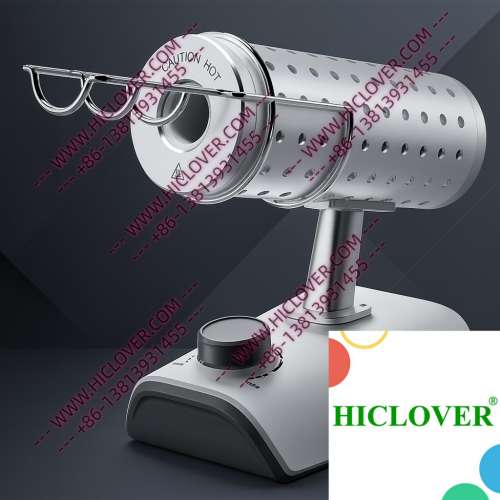
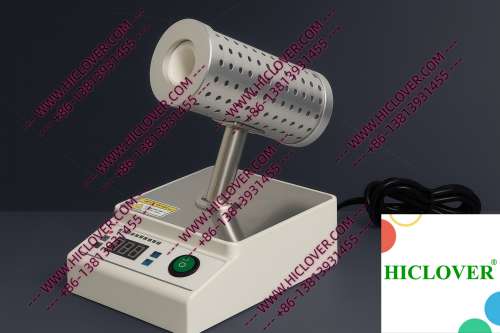
The Micro Incinerator utilizes a streamlined design that incorporates an enclosed ceramic tube as its heating chamber. Unlike conventional flame-based systems, the infrared sterilizer employs rapid thermal sterilization through the use of infrared heat. This method allows for precise control over temperature, ensuring consistent sterilization while minimizing the risks associated with combustion. The ceramic heating elements quickly reach high temperatures, providing efficient, high-temperature disinfection in a clean-bench-safe environment.
Safety and Efficiency: Advantages Over Traditional Methods
- Aerosol-Free Handling: Eliminates the risk of aerosol generation associated with flame sterilization.
- Cleanroom Compatibility: Ideal for use in clean rooms where flammable materials are present.
- Rapid Sterilization: Minimizes waiting times between inoculation processes, enhancing workflow efficiency.
- Alignment with ISO 13485 for medical devices.
- Compliance with the microbiology laboratory safety protocols set by the CDC.
- Managing the risk of ignition in cleanrooms through non-flammable sterilization solutions.
Considering these benefits, it’s clear why many laboratories are opting for infrared sterilizers over flame-based systems. This evolution not only prioritizes safety but also aligns with modern biosafety compliance standards.
Real-World Applications of Infrared Sterilizers
Infrared sterilizers are versatile tools suitable for various laboratory settings. Here are two primary application scenarios:
1. Biosafety Cabinets
In BSL-2 and BSL-3 microbiology labs, where the handling of potentially harmful microorganisms occurs, the infrared sterilizer provides a reliable method to sterilize inoculating loops and other necessary tools. Utilizing an infrared sterilizer within a biosafety cabinet effectively confines any contaminants, ensuring that manipulated samples remain uncontaminated.
2. Teaching Laboratories
University teaching labs often require rapid turnover in practical sessions, making traditional flame methods inefficient. The Micro Incinerator’s rapid sterilization capability allows students to conduct experiments more fluidly. As students work with different microbial cultures, the infrared sterilizer ensures their tools are sterile, minimizing cross-contamination risks during practical demonstrations.
Compliance with Biosafety Standards
Adhering to biosafety regulations is crucial in laboratory settings. The World Health Organization (WHO) outlines guidelines that emphasize the need for efficient sterilization methods in laboratories, particularly those working with pathogens. The infrared sterilizer aligns well with these standards, offering a flame-free solution that is more suited for sterilization within clean rooms and other controlled environments.
For laboratories striving to meet sterilization standards, the following compliance points are salient:
Micro Incinerator vs. Traditional Flame Sterilizers
| Feature | Micro Incinerator | Flame Sterilizer |
|---|---|---|
| Temperature Control | Precise infrared heat | Variable, dependent on skill |
| Aerosol Generation | No | Yes |
| Usability | Easy, consistent | Requires practice |
| Safety | Flame-free operation | Risk of burns and fires |
| Application Range | Clean rooms, field labs | General use |
Frequently Asked Questions
What types of labs benefit most from infrared sterilizers?
Infrared sterilizers are particularly beneficial in BSL-2 and BSL-3 microbiology labs, clinical diagnostic settings, and university teaching labs where contamination control is critical.
How does the Micro Incinerator enhance laboratory workflow?
By providing rapid thermal sterilization without the risks associated with flames, the Micro Incinerator speeds up the inoculation process, enabling quicker transitions between experiments and promoting overall efficiency.
Are infrared sterilizers compliant with international biosafety standards?
Yes, infrared sterilizers typically meet and exceed WHO guidelines and other international biosafety standards for laboratory sterilization.
Can infrared sterilizers be used in field testing?
Absolutely! The portability and ease of use of the Micro Incinerator make it ideal for mobile labs and field testing scenarios.
What is the expected lifespan of a Micro Incinerator?
With proper maintenance, a Micro Incinerator can last for many years, providing reliable performance in laboratory settings.
Conclusion
In conclusion, infrared sterilizers like the Micro Incinerator represent a significant advancement in laboratory sterilization technology, providing safety, efficiency, and compliance with biosafety regulations. As modern laboratories continue to evolve, investing in high-quality sterilization equipment is essential for ensuring the integrity of research and the safety of personnel. Contact us today to learn more about integrating infrared sterilization solutions into your laboratory workflow!
Categories:
Tags: