
In the modern scientific environment, effective laboratory sterilization is more critical than ever, particularly given current global health challenges. Laboratories face biosafety challenges while striving to maintain an efficient work process. Whether in a BSL-2 microbiology lab, a university teaching laboratory, or a field testing environment, the demand for reliable and rapid sterilization equipment is paramount. Enter micro incineration technology: a game-changing approach for infection control and sterilization.
The Promise of Micro Incineration Technology
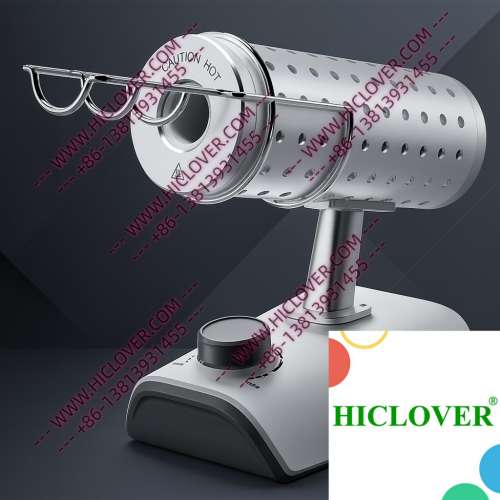
Micro incinerators, specifically the Micro Incinerator or Infrared Inoculating Loop Sterilizer, offer a revolutionary solution to the sterilization workflow demands of laboratories. Utilizing infrared heat, these devices are designed to rapidly provide high-temperature disinfection without the hazards associated with traditional flame sterilizers like Bunsen burners or alcohol lamps.
Technical Principles Explained
The Micro Incinerator operates on the principle of infrared heating in an enclosed ceramic tube. Instead of open flames, which pose risks of aerosol generation and contamination, the infrared technology produces efficient, concentrated heat that reaches high temperatures within seconds. This enclosed ceramic heating chamber allows for:
- Safe and easy operation in clean bench environments
- Aerosol-free handling of inoculating loops and other lab instruments
- Consistent and repeatable sterilization results
In comparison to traditional flame sterilizers, the Micro Incinerator minimizes the risk of contamination and provides a cleaner, safer working environment. With rapid thermal sterilization capabilities, it is particularly advantageous for laboratory personnel who must work swiftly under pressure.
Application Scenarios in Real Labs
Biosafety Cabinets
In a typical biosafety cabinet (BSC), maintaining aseptic conditions is crucial for many microbiological applications. The Micro Incinerator can be seamlessly integrated into the sterilization workflow within BSCs, allowing researchers to sterilize inoculating loops and other small instruments efficiently without interrupting their work. Its compact design fits well in restricted spaces, making it an ideal choice for laboratories focusing on strict contamination control.
Field Testing Labs
Field testing often presents unique challenges, necessitating portable and efficient sterilization equipment. When working in remote locations, the ability to sterilize tools and materials becomes crucial. The Micro Incinerator’s lightweight and portable configuration enables field scientists to conduct on-site tests confidently, ensuring that their instruments are free from contaminants without compromising efficiency or safety.
Compliance and Environmental Safety
Compliance with global laboratory sterilization standards is non-negotiable. The World Health Organization (WHO) outlines stringent guidelines for laboratory safety, especially in BSL-2 and BSL-3 environments. The Micro Incinerator also adheres to key biosafety standards, providing labs with the peace of mind that their sterilization methods are compliant.
One of the primary advantages of utilizing the Micro Incinerator is its ability to operate without an open flame, which is crucial in clean room operations where contamination must be minimized. This feature not only promotes safer lab environments but also meets the regulatory compliance requirements set forth by scientific communities and governmental health organizations.
Advantages of Micro Incinerators over Traditional Flame Sterilizers
| Feature | Micro Incinerator | Flame Burners |
|---|---|---|
| Heating Method | Infrared heating | Open flame |
| Safety | Low risk of burns and contamination | Higher risk of contamination and burns |
| Speed | Rapid thermal sterilization | Variable speed |
| Environment | Clean-bench safe | Not suitable for clean rooms |
Frequently Asked Questions (FAQs)
1. What makes a micro incinerator different from traditional flame sterilizers?
The main difference lies in the heating method. Micro incinerators use infrared technology for rapid sterilization, whereas flame sterilizers rely on open flames, which can pose contamination risks.
2. Can micro incinerators be used in field testing laboratories?
Yes, micro incinerators are designed for portability, making them an excellent option for field testing labs where immediate sterilization is necessary.
3. Are micro incinerators compliant with WHO biosafety standards?
Absolutely! Micro incinerators comply with WHO guidelines and other international lab sterilization standards, ensuring a safer working environment.
4. How long does it take to sterilize instruments with a micro incinerator?
Micro incinerators typically achieve sterilization within seconds due to their rapid thermal sterilization capabilities.
5. Is there any specific maintenance required for micro incinerators?
Regular cleaning of the ceramic heating chamber is recommended to ensure optimal performance. Always refer to the manufacturer’s guidelines for detailed maintenance instructions.
Conclusion
Investing in a Micro Incinerator or Infrared Inoculating Loop Sterilizer is a decisive step towards enhancing your laboratory’s infection prevention measures. With a combination of safety, compliance, and efficiency, this innovative sterilization technology is pivotal in addressing the evolving challenges in laboratory settings today.
Contact us today to learn more about the Micro Incinerator and how it can revolutionize your lab’s sterilization practices. Don’t compromise on safety and efficiency – equip your laboratory with the best sterilization technology available!
Categories:
Tags: