
In the fast-evolving world of laboratory settings, biosafety challenges often dictate the effectiveness of sterilization workflows. Traditional methods, such as alcohol lamps and Bunsen burners, while familiar, are increasingly marked by issues related to safety, efficiency, and cleanliness. With a growing emphasis on environmental responsibility and biosecurity, laboratories in urban hubs like Shanghai are turning to innovative solutions, such as the Micro Incinerator or Infrared Inoculating Loop Sterilizer. This article explores the technical principles, applications, and compliance aspects of micro incinerators as part of an advanced waste management strategy.
Understanding the Micro Incinerator Technology
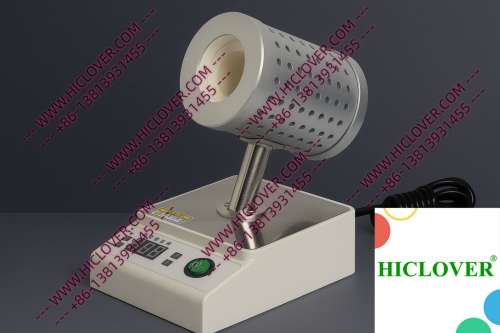
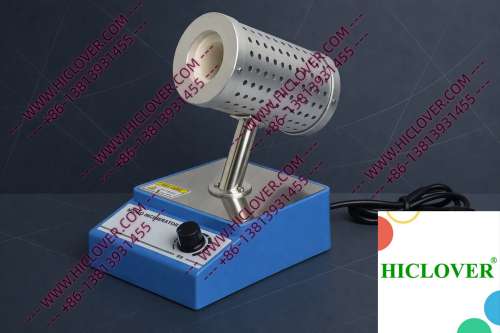
Micro incinerators stand out in the realm of laboratory sterilization equipment because of their unique design and effective thermal sterilization capabilities. The principle behind micro incineration lies in rapid thermal sterilization via infrared heat, harnessed within an enclosed ceramic heating chamber. This design allows for high temperatures that exceed conventional flame-based systems, with significant advantages for contamination control in sensitive environments.
- Infrared Heating: Utilizing infrared radiation, micro incinerators provide consistent and efficient high-temperature disinfection.
- Ceramic Heating Chamber: The robust ceramic chamber ensures stability and durability, making it ideal for repeated use in labs.
- Compact Design: Its small footprint makes it a perfect fit for various laboratory environments, including biosafety cabinets.
Application Scenarios in Laboratory Environments
Micro incinerators are increasingly finding their place across diverse laboratory settings. Here are two notable application scenarios:
1. Biosafety Cabinets
Biosafety cabinets are critical in laboratories handling pathogens, often incorporating micro incinerators into the workflow for sterilizing inoculating loops and tools. The use of a Micro Incinerator enables quick sterilization without the risk of aerosol contamination or flame interference, maintaining the integrity of the biosafety cabinet’s controlled environment.
2. University Teaching Labs
In educational settings, where students are learning about microbiology or laboratory techniques, micro incinerators enhance safety and efficiency. Rather than teaching students to navigate flame hazards, instructors can demonstrate effective sterilization measures with this advanced equipment, fostering a safer learning atmosphere. The ease of use invites ongoing engagement with sterile techniques and reinforces proper biosafety protocols.
Compliance with Biosafety Standards
The adherence to strict biosafety and lab sterilization standards is imperative for laboratories operating in compliance with WHO guidelines. The Micro Incinerator contributes significantly to this effort by eliminating the flame risk associated with traditional sterilizers, particularly in clean rooms where contamination control is paramount. Its ability to function without open flames aligns with leading lab safety protocols, ensuring that facilities meet the required standards for BSL-2 and BSL-3 microbiology labs.
Why Choose Micro Incinerators Over Flame Sterilizers?
Micro Incinerators not only provide effective sterilization but also contribute to a safer working environment, reducing the risk of accidental burns and fire hazards common with traditional flame systems.
| Criteria | Micro Incinerator | Flame Sterilizers |
|---|---|---|
| Flame Safety | No open flame; significantly safer | Open flame; risk of burns and fires |
| Efficiency | Rapid sterilization with infrared | Slower sterilization process |
| Contamination Control | Aerosol-free handling | Potential aerosol dispersion |
| Workspace Requirements | Compact and versatile | Requires more space and ventilation |
Regional Focus: Shanghai’s Environmental Strategy
In Shanghai, there is an increasing awareness of the environmental impacts associated with laboratory waste and sterilization processes. The city is integrating advanced technologies such as micro incinerators into its waste management strategies, aligning laboratory practices with broader environmental goals. This initiative promotes sustainable practices while maintaining high biosafety standards and efficient sterilization workflows.
Frequently Asked Questions
- What is a Micro Incinerator? A Micro Incinerator is a sterilization device that uses infrared heat for rapid thermal sterilization of laboratory instruments.
- How does it compare to traditional flame sterilizers? Micro Incinerators offer improved safety, efficiency, and contamination control compared to traditional methods, which pose risks of open flames and aerosols.
- Is it compliant with WHO biosafety guidelines? Yes, it meets international biosafety standards, ensuring safe operations in BSL-2 and BSL-3 environments.
- Can I use it in a biosafety cabinet? Absolutely, its compact design makes it ideal for use in biosafety cabinets without disrupting airflow.
- Why choose this technology for teaching labs? It promotes safety, minimizes fire hazards, and simplifies sterilization processes, enhancing the educational experience.
Conclusion
The Micro Incinerator stands as a beacon of innovation in laboratory sterilization, offering both environmental responsibility and enhanced biosafety. As laboratories in Shanghai and beyond strive to meet modern sterilization standards, integrating micro incinerators into workflows can significantly improve operational efficiency and safety. For those looking to advance their sterilization practices or ensure compliance with stringent biosafety regulations, consider exploring the benefits of Micro Incinerators further. Contact us today to learn more about acquiring this essential equipment for your laboratory.
Categories:
Tags: