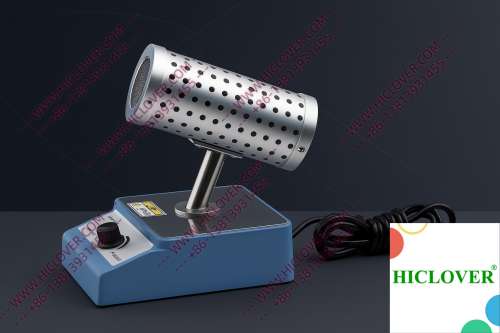
In the realm of laboratory operations, maintaining biosafety standards is not just a regulatory requirement; it’s a crucial component of achieving reliable, reproducible results. With increasing threats of contamination, laboratories in Lanzhou face significant challenges in implementing effective sterilization workflows. Among the myriad of tools available for achieving high levels of sterility, the Micro Incinerator or Infrared Inoculating Loop Sterilizer stands out as a rapidly advancing technology, replacing traditional flame sterilizers in various applications.
Understanding the Technical Principles Behind Micro Incinerators
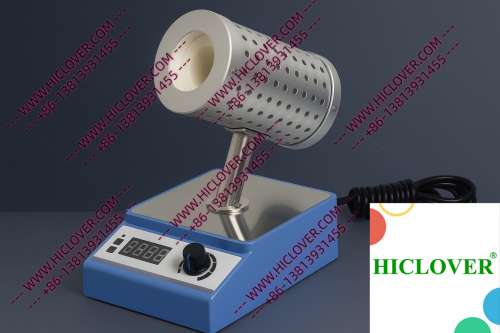
The core technology of the Micro Incinerator revolves around infrared heat generated within a unique ceramic heating chamber. Unlike traditional alcohol lamps and Bunsen burners, which utilize open flames and can pose significant hazards, the Micro Incinerator provides a controlled, enclosed environment for sterilization. The ceramic tube within the device heats up quickly, reaching high temperatures that ensure effective disinfection without producing aerosols—a critical advantage in preventing airborne contamination.
Key Features of the Micro Incinerator
- Rapid Thermal Sterilization: Achieves sterilization in seconds, significantly reducing workflow times.
- Clean-Bench-Safe Design: Eliminates flame usage in clean rooms, adhering to strict laboratory guidelines.
- Contamination Control: Offers aerosol-free handling, mitigating the risks of airborne contaminants.
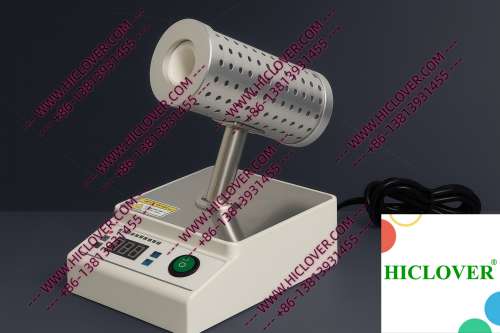
Applications of the Micro Incinerator in Laboratory Settings
Different laboratory environments have unique sterilization demands. Here are two practical scenarios where the Micro Incinerator plays a vital role:
1. University Teaching Labs
In academic institutions, teaching labs require efficient and safe sterilization methods to educate future scientists. The Micro Incinerator is particularly beneficial in a BSL-2 microbiology lab where laboratory personnel frequently handle pathogenic microorganisms. Its rapid thermal sterilization capabilities allow students to spend more time conducting experiments rather than waiting for their tools to be sterilized. Additionally, teachers can confidently demonstrate aseptic techniques without the worrying risk of accidents associated with open flames.
2. Clinical Diagnostics
Clinical diagnostic settings require stringent adherence to biosafety protocols. Here, the Micro Incinerator is increasingly being utilized for sterilizing inoculating loops and other equipment. The enclosed ceramic tube reduces the risk of cross-contamination, making it ideal for assessing microbial infections swiftly. In situations where time is critical, the efficacy and reliability of this sterilizer can lead to improved patient outcomes, ensuring that lab results are as accurate as possible.
Compliance and Environmental Standards
Adhering to the World Health Organization (WHO) biosafety guidelines is crucial for all laboratories, particularly those operating at higher biosafety levels such as BSL-2 and BSL-3. These standards dictate the necessary precautions and sterilization methods to mitigate risks associated with infectious materials.
The Micro Incinerator’s design aligns with these compliance requirements, particularly in environments where the use of flames is prohibited, such as clean rooms and areas handling volatile substances. By opting for a flame-less sterilization technique, laboratories can maintain a safer work environment and minimize contamination risks. This not only solves immediate safety concerns but also leads to long-term financial and reputational benefits.
Comparative Analysis: Micro Incinerator vs. Traditional Flame Sterilizers
| Feature | Micro Incinerator | Flame Sterilizers |
|---|---|---|
| Speed of Sterilization | Rapid (< 10 seconds) | Slower (varies based on user) |
| Safety | Flame-free, no aerosol | Open flame, risk of fire |
| Ease of Use | User-friendly, no skill needed | Requires skill to operate safely |
| Maintenance | Low maintenance | Regular checks needed |
FAQs about Micro Incinerators
What is the typical price range for a Micro Incinerator?
The cost of Micro Incinerators may vary based on specifications and features but generally ranges from $200 to $800.
How does the Micro Incinerator compare in terms of energy consumption?
Micro Incinerators use infrared technology which is energy-efficient compared to traditional methods that consume more fuel and generate excess waste heat.
Can the Micro Incinerator be used in field testing labs?
Yes, its portable nature and rapid sterilization capabilities make it suitable for field testing where immediate and effective sterilization is crucial.
Are there maintenance requirements for a Micro Incinerator?
Minimal maintenance is required, mainly ensuring the ceramic tube is clean and functioning properly for optimum performance.
Is the Micro Incinerator compliant with WHO standards?
Yes, it meets several biosafety standards as outlined by the WHO, ensuring safe sterilization practices in laboratories.
Conclusion
In a rapidly evolving laboratory landscape, the Micro Incinerator / Infrared Inoculating Loop Sterilizer presents an innovative solution to sterilization needs, especially in the diverse environments found in Lanzhou and beyond. Its advantages over traditional flame sterilizers not only improve workflow efficiency but also adhere to crucial biosafety compliance standards. For laboratories seeking to enhance their sterilization practices and maintain high levels of safety, investing in a micro incinerator represents a proactive step. For more detailed information on purchasing options or to discuss your specific requirements, feel free to reach out to us.
Categories:
Tags: