
In the realm of laboratory biosafety, the need to maintain a sterile environment is of utmost importance. As healthcare facilities in Charlotte face increasing demands for effective sterilization solutions, the integration of advanced sterilization equipment, particularly Micro Incinerators, has garnered attention. This article delves into the practicality, technical aspects, and cost considerations of Micro Incinerators/Inoculating Loop Sterilizers, offering insight into their various applications in hospital settings while emphasizing compliance with biosafety standards.
Understanding the Challenges of Laboratory Biosafety
Laboratories, especially those operating within Clinical Diagnostics and BSL-2/BSL-3 microbiology labs, face significant challenges in managing contamination risks. Ensuring that laboratory instruments and tools are free of pathogens is crucial not only for the safety of laboratory personnel but also for the integrity of research and diagnostics undertaken at these facilities. Traditional sterilization methods, such as alcohol lamps and Bunsen burners, while widely used, present various drawbacks including the production of aerosols and the risk of open flames in sensitive environments.
Introducing the Micro Incinerator
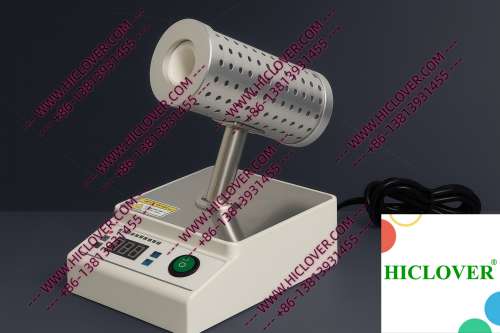
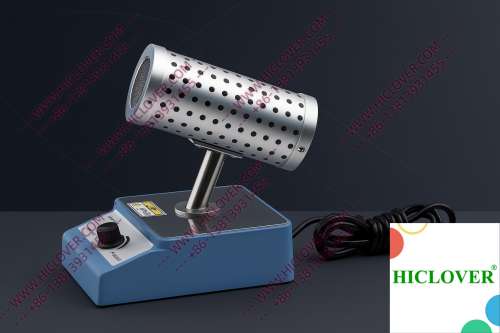
The Micro Incinerator, or Infrared Inoculating Loop Sterilizer, is a cutting-edge solution designed specifically for rapid and effective thermal sterilization. Utilizing infrared heat, this device employs a ceramic heating chamber, providing an enclosed and safe environment for sterilizing inoculating loops, metal implements, and other laboratory tools. Unlike traditional flame sterilizers, the Micro Incinerator offers a clean-bench-safe option, featuring:
- Speed: Rapid thermal sterilization ensures immediate readiness for use.
- Safety: Elimination of open flames reduces the risk of fire hazards in sterile environments.
- Contamination Control: An aerosol-free handling minimizes the risk of airborne bacteria or viruses.
- Ease of Use: Simple operation allows for quick integration into existing sterilization workflows.
Applications in Modern Laboratories
The Micro Incinerator’s versatility makes it suitable for various laboratory contexts, including:
1. Biosafety Cabinets
In BSL-2 and BSL-3 labs, where sterility is paramount, Micro Incinerators can be strategically placed within biosafety cabinets to provide effective sterilization while handling sensitive biological materials. The combination of controlled airflow in the cabinet and the rapid heating of the Micro Incinerator supports a contamination-free workspace.
2. Field Testing and Mobile Labs
For field testing scenarios, where portability and efficiency are crucial, the lightweight design of Micro Incinerators provides an excellent solution. Researchers can utilize these devices in outdoor environments to ensure proper sterilization of tools used in various test samples, reducing the risk of cross-contamination.
Compliance and Environmental Considerations
Regulatory frameworks such as guidelines from the World Health Organization (WHO) and relevant laboratory sterilization standards emphasize the importance of effective sterilization methods. Enclosed heating systems, like those utilized in Micro Incinerators, align with these regulations, ensuring that laboratories maintain the highest levels of safety and regulatory compliance.
Moreover, the trend towards flame-free sterilization is notable in cleanroom environments, where the introduction of any ignition source could create hazardous conditions. With the temperature control capabilities of infrared sterilizers, facilities can avoid these risks altogether.
Cost Implications of Adopting Micro Incinerators
Investing in a Micro Incinerator represents a long-term cost-benefit scenario for healthcare systems in Charlotte. Although initial acquisition costs may be higher compared to traditional methods, the savings realized through reduced contamination, increased efficiency, and lower operational risks prove advantageous.
Comparative Analysis: Micro Incinerator vs. Flame Sterilizers
| Feature | Micro Incinerator | Flame Sterilizer |
|---|---|---|
| Heat Source | Infrared | Open Flame |
| Speed of Sterilization | Rapid | Variable |
| Risk of Contamination | Low | High |
| Usability in Clean Rooms | Yes | No |
| User Training Required | Minimal | High |
Frequently Asked Questions (FAQs)
What is a Micro Incinerator used for?
A Micro Incinerator is used for the rapid sterilization of laboratory tools, such as inoculating loops and metal implements, through infrared heating.
How does an Infrared Inoculating Loop Sterilizer work?
This device generates infrared heat within a ceramic housing, effectively sterilizing instruments without the risks posed by open flames.
Why choose a Micro Incinerator over traditional flame sterilizers?
Micro Incinerators offer enhanced safety, speed, and lower contamination risk, making them superior for use in sensitive laboratory environments.
Are Micro Incinerators compliant with biosafety standards?
Yes, they meet WHO biosafety and laboratory sterilization standards, making them ideal for BSL-2 and BSL-3 labs.
Can Micro Incinerators be used in field testing?
Absolutely! Their lightweight and portable design makes them perfect for mobile labs and field testing scenarios.
Conclusion
The Micro Incinerator stands at the forefront of modern laboratory sterilization techniques, offering a reliable, safe, and effective solution for healthcare facilities in Charlotte and beyond. With the rising need for stringent contamination controls and operational efficiency, investing in this equipment represents a proactive approach to safeguarding laboratory environments. If you are interested in learning more or wish to make a purchase, feel free to contact us today.
Categories:
Tags: