
As laboratory practices evolve, the increasing emphasis on biosafety standards and contamination control has led to the introduction of innovative sterilization solutions. Traditional sterilization methods, particularly flames such as Bunsen burners and alcohol lamps, often face challenges in meeting modern laboratory workflow demands. Exhaust fumes, unpredictable temperature control, and the risk of aerosol generation are just a few of the concerns researchers grapple with daily.
Understanding Micro Incinerator Technology
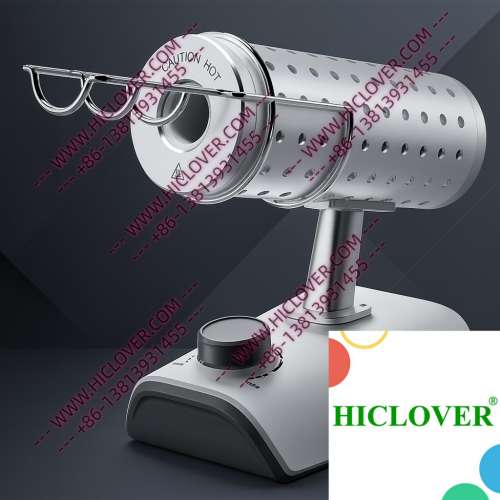
Central to the benefits of modern sterilization techniques is the Micro Incinerator, particularly the Infrared Inoculating Loop Sterilizer. This device operates on the principle of infrared heat to achieve rapid thermal sterilization, utilizing an enclosed ceramic tube that provides a controlled heating environment. The infrared mechanism ensures that the inoculating loop reaches temperatures high enough to eradicate pathogens in mere seconds, making it a vital tool in diagnostic laboratories.
- Heat Generation: Using radiant infrared heating to achieve peak temperatures rapidly.
- Precision: Minimal temperature fluctuation allows for reliable sterilization without damaging heat-sensitive materials.
- Safety: The enclosed design mitigates risks associated with airborne contaminants.
Applications in Real Laboratory Environments
1. Biosafety Cabinets
In BSL-2 and BSL-3 laboratories, maintaining stringent biosafety levels is crucial. Here, micro incinerators can be integrated into biosafety cabinets to offer a clean and safe environment for sterilizing inoculating loops without the hazards associated with open flames. This setup minimizes the risk of contamination while facilitating a smooth workflow; researchers can quickly sterilize their tools between samples, ensuring that the integrity of their work is maintained.
2. Field Testing Labs
In scenarios where mobility is key, such as in field testing labs for environmental or clinical diagnostics, micro incinerators provide a portable yet safe solution to sterilization. Field researchers working in remote locations benefit significantly from flame-free sterilization, as these devices do not require additional fuels or extensive setups. They allow rapid sterilization in an aerosol-free manner, making them ideal for testing in areas where contamination is of utmost concern.
Compliance and Environmental Concerns
With the introduction of innovative sterilization tools like micro incinerators, laboratories can better align with global compliance standards, such as those outlined by the WHO for biosafety. Advanced sterilization equipment is vital in meeting laboratory sterilization standards, particularly in cleanroom settings where maintaining an uncontaminated environment is essential. Moreover, avoiding flames in clean rooms helps to minimize fire risks significantly, creating a safer laboratory environment. Here are some compliance benefits:
- Adherence to WHO biosafety practices.
- Fulfillment of local and international lab sterilization standards.
- Minimized risk of fire and aerosol generation.
Comparative Advantages: Micro Incinerators vs. Traditional Flame Sterilizers
| Aspect | Micro Incinerator | Flame Sterilizer (Bunsen Burner) |
|---|---|---|
| Temperature Control | High precision with rapid heating | Variable, dependent on user technique |
| Safety | Flame-free operation | Risk of burns and contamination |
| Portability | Easily transportable for field use | Requires a steady gas supply |
| Contamination Risk | Aerosol-free handling | Higher risk due to open flames |
FAQs About Micro Incinerators
- What is a Micro Incinerator used for?
Micro Incinerators are primarily used for sterilizing inoculating loops and other small tools in laboratory settings to prevent contamination. - Are Micro Incinerators safe to use in biosafety cabinets?
Yes, their flame-free operation makes them ideal for use in biosafety cabinets, enhancing safety and compliance. - How does a Micro Incinerator differ from traditional methods?
Micro Incinerators provide rapid thermal sterilization without the fire hazards or contamination risks associated with flame-based sterilization. - Can Micro Incinerators be used in the field?
Absolutely! Many field testing labs utilize Micro Incinerators due to their portability and efficiency in sterilization. - What are the maintenance requirements for Micro Incinerators?
Generally, maintenance is minimal. Regular cleaning of the ceramic tube and periodic checks on heating elements are recommended.
Conclusion
The rise of micro incinerators reflects a significant advancement in the practices of sterilization within diagnostic laboratories. As researchers prioritize biosafety and efficiency, these innovative devices are becoming indispensable in both controlled lab environments and field applications. For laboratory supply distributors, hospitals, universities, or research centers, investing in Micro Incinerator technology enhances operational workflows while aligning with global standards.
To explore more about acquiring a Micro Incinerator for your laboratory needs, feel free to reach out. We’re here to guide you in implementing this game-changing technology in your sterilization practices.
Categories:
Tags: