
In the realm of laboratory biosafety, maintaining a sterile environment is crucial. Laboratory personnel often face challenges related to contamination control, particularly in settings where precision is paramount, such as BSL-2 and BSL-3 microbiology labs. With the increasing demand for efficient and effective sterilization methods, traditional flame sterilizers are being supplemented and, in some cases, replaced by innovative technologies such as the Micro Incinerator / Infrared Inoculating Loop Sterilizer.
Understanding the Micro Incinerator Technology
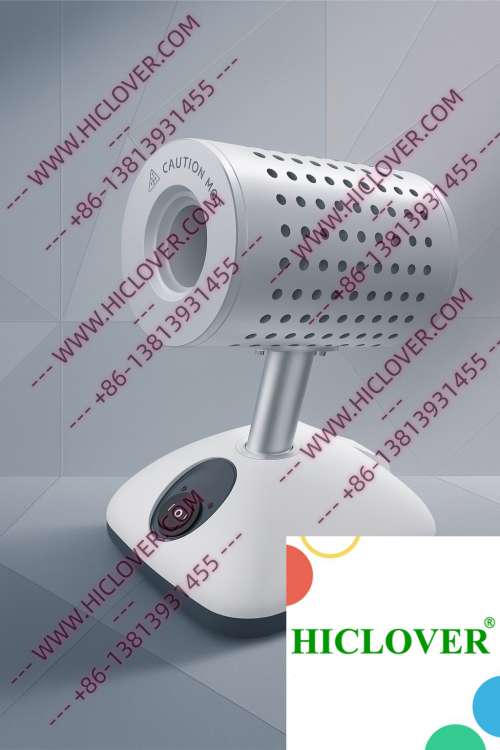
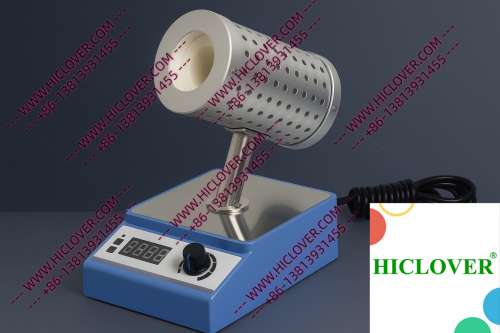
The Micro Incinerator employs advanced thermal sterilization principles to ensure rapid disinfection of inoculating loops and other microbiological instruments. This device features an enclosed ceramic tube that utilizes infrared heating, allowing for high-temperature disinfection while minimizing the risk associated with open flames. The heats generated in the ceramic chamber strike at temperatures typically exceeding 800°C, ensuring complete sterilization without the hazards posed by traditional flame-based methods.
Key Advantages Over Traditional Flame Sterilizers
- Rapid Thermal Sterilization: The Micro Incinerator provides immediate sterilization, significantly reducing wait times compared to heated metal devices.
- Contamination Control: The enclosed design minimizes aerosol generation, making it ideal for clean-bench-safe applications.
- Environmental Safety: With no open flames, it eliminates the risk of igniting combustible materials.
- Ease of Use: Simple operation allows laboratory personnel to focus more on their experimental procedures rather than on sterilizing equipment.
- Use of enclosed systems to minimize exposure to aerosols.
- Regular validation to ensure sterilizer performance meets industry standards.
- Adherence to specific national regulations regarding laboratory safety and biosafety levels.
Applications in Real Laboratory Settings
The versatility of the Micro Incinerator makes it suitable for various laboratory applications. Two notable scenarios include:
1. University Teaching Labs
In educational settings, where students learn microbiological techniques, the Micro Incinerator allows for safe and efficient laps without the risks associated with traditional flame sterilizers. Instructors appreciate the ability to demonstrate procedures such as inoculation while maintaining the learning environment free of potential fire hazards. The instant readiness of the sterilizer aids in smoother workflow, ensuring classes run effectively.
2. Field Testing Laboratories
Field testing often presents unique challenges where portability and safety are critical. Micro Incinerators can be easily transported to remote locations, providing reliable sterilization on-site without the need for an electricity supply. This is particularly advantageous for research activities in environmental monitoring or clinical diagnostics, where every step in sample handling must be executed with utmost precision to avoid contamination.
Compliance and Environmental Considerations
Adhering to laboratory sterilization standards is paramount in preventing contamination. The World Health Organization (WHO) provides guidelines to ensure biosafety and laboratory compliance, emphasizing the importance of proper sterilization protocols in fields like clinical diagnostics and research labs. In many regulatory frameworks, policies advocate for non-flame methods in clean rooms to maintain stringent air quality criteria.
Here are some important biosafety compliance considerations:
Comparison: Micro Incinerator vs. Flame Sterilizers
| Feature | Micro Incinerator | Flame Sterilizers |
|---|---|---|
| Risk of Flame | No open flame risks | Present |
| Sterilization Time | Instant | Variable, can be slow |
| Aerosol Generation | Minimal | Higher |
| Ease of Use | User-friendly interface | Requires careful handling |
FAQs About Micro Incinerators
1. How does a Micro Incinerator work?
The device uses infrared radiation to heat an enclosed ceramic tube, achieving rapid sterilization of inoculating loops without the need for open flames.
2. Can a Micro Incinerator be used in a clean room?
Yes, the design of the Micro Incinerator is ideal for use in cleanrooms as it minimizes aerosol production and enhances overall safety.
3. What are the benefits of using a Micro Incinerator in teaching labs?
It offers a safe sterilization method, immediate readiness for use, and reduces the risks associated with teaching flame techniques to students.
4. Is the Micro Incinerator portable?
Yes, its lightweight design makes it suitable for field testing and use in diverse laboratory environments.
5. How often should the Micro Incinerator be calibrated?
Regular calibration is recommended to ensure compliance with sterilization standards, typically every six months, or as per the manufacturer’s guidelines.
Conclusion
As laboratories continue to face evolving biosafety challenges, investing in effective sterilization technologies such as the Micro Incinerator/Infrared Inoculating Loop Sterilizer offers a significant advantage in maintaining safety and efficiency in sterile processes. Its rapid thermal sterilization capabilities, low environmental impact, and compliance with global standards make it a must-have tool for a wide array of laboratory settings.
If you are seeking to enhance sterilization processes in your facility or educational institution, don’t hesitate to contact us for inquiries or to place an order. Experience the difference that modern sterilization equipment can make in preventing contamination!
Categories:
Tags: