
In the fast-paced environment of laboratory research and veterinary practices, especially in regions like New York, maintaining rigorous biosafety standards is crucial. Veterinary professionals are often confronted with the challenges of managing contamination risks and implementing efficient sterilization workflows. Among the necessary tools, laboratory sterilization equipment plays a pivotal role in preventing infections. In particular, the Micro Incinerator / Infrared Inoculating Loop Sterilizer has emerged as a vital solution for modern laboratories.
Understanding the Principles of Infrared Sterilization Technology
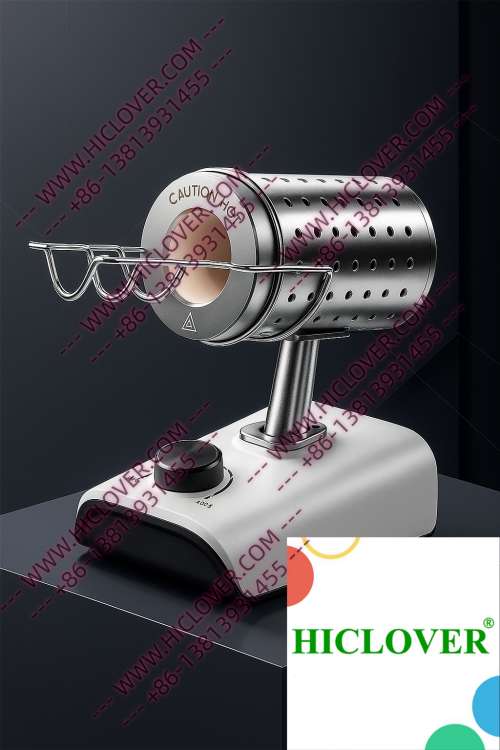
The Micro Incinerator operates based on the principle of rapid thermal sterilization. Instead of traditional flame methods such as alcohol lamps and Bunsen burners, which can introduce contaminants and pose fire hazards, the Micro Incinerator utilizes infrared heat within an enclosed ceramic tube. This technology achieves high-temperature disinfection efficiently, allowing veterinary professionals to sterilize inoculating loops, metal tips, and other equipment without risking exposure to flames.
Advantages Over Traditional Flaming Techniques
- Safety: The absence of open flames reduces the risk of fire hazards, making it suitable for cleanroom environments.
- Efficiency: The infrared heating provides rapid heating capabilities, allowing for quicker turnaround times in sterilizing tools.
- Contamination Control: The enclosed design minimizes aerosol dispersal, preventing airborne contamination of samples.
- Simplicity: Easy to use and requires minimal training for laboratory staff.
- What makes the Micro Incinerator suitable for veterinary labs?
The Micro Incinerator is designed to provide rapid sterilization without open flames, making it safe and efficient for use in veterinary environments. - Can the Micro Incinerator be used in mobile testing labs?
Yes, the portability and quick sterilization capabilities make it ideal for mobile or field testing labs. - How does infrared sterilization differ from traditional methods?
Infrared sterilization uses enclosed heating elements to achieve high temperatures quickly, reducing contamination risks compared to traditional flame methods. - What are the maintenance requirements for a Micro Incinerator?
Maintenance involves regular cleaning of the ceramic tube and ensuring that the infrared heating elements are functioning correctly. - Is the Micro Incinerator compliant with biosafety standards?
Yes, it meets WHO biosafety standards, making it suitable for use in BSL-2 and BSL-3 laboratories.
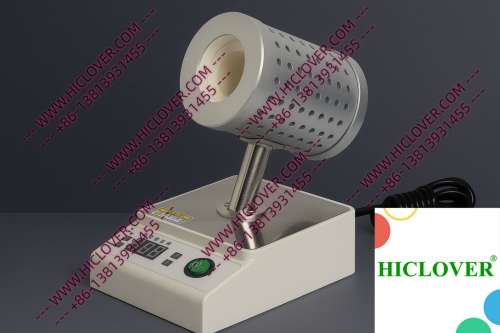
Real-World Applications of Micro Incinerators
Veterinary practices require specialized sterilization approaches depending on the settings. Here are two practical application scenarios that illustrate the benefits of using a Micro Incinerator:
1. Laboratory Biosafety Cabinets
In BSL-2 and BSL-3 microbiology labs, where strict biosafety measures are necessary, the Micro Incinerator serves as a compact and efficient tool for sterilization. As experiments require constant tool usage, the Micro Incinerator’s ability to sterilize inoculating equipment quickly is essential. Within the controlled environment of a biosafety cabinet, the infrared technology minimizes contamination risks, ensuring a higher level of safety for both researchers and samples.
2. Field Testing in Veterinary Practices
Veterinary professionals often find themselves conducting field tests in remote environments. In these scenarios, the portability and rapid sterilization capability of the Micro Incinerator become invaluable. Imagine a rural veterinary practice where a quick sterilization solution is required for sampling animals for infectious diseases. The Micro Incinerator can effectively work in the field, ensuring that veterinary technicians can eliminate contaminants immediately without compromising their biosafety protocols.
Compliance and Environmental Considerations
Adhering to WHO biosafety standards and lab sterilization guidelines is paramount for veterinary professionals. The Micro Incinerator helps meet these organizational and governmental compliance requirements by ensuring that all tools are thoroughly sterilized without harmful emissions associated with traditional flame sterilization methods. Moreover, with increasing emphasis on maintaining clean environments in biohazard safety laboratories, the no-flame operation of the Micro Incinerator makes it a conducive option for clean-bench-safe procedures.
Laboratory Sterilization Standards
Various regional and international standards govern laboratory sterilization, especially in veterinary and medical fields. For instance, the local regulatory bodies specific to New York State and international organizations like the WHO have guidelines in place for managing biohazards and ensuring equipment sterilization meets stringent safety thresholds. Adopting the Micro Incinerator signifies a commitment to compliance with these standards, bolstering an organization’s reputation in the veterinary field.
Frequently Asked Questions
Conclusion
For veterinary professionals prioritizing patient and sample safety, the Micro Incinerator / Infrared Inoculating Loop Sterilizer represents a modern evolution in laboratory sterilization. Its efficient, safe operation marks a significant advancement over traditional flame sterilization methods. If you are looking to enhance your laboratory’s infection control protocols, this sterilization equipment could be an outstanding addition. Contact us today to explore our range of laboratory sterilization solutions!
Categories:
Tags: