
In the realm of laboratory processes, effectively managing biosafety challenges and adhering to stringent sterilization workflows are paramount. The growing need for precision in eliminating microbial contaminants, especially in settings like microbiology labs (BSL-2 and BSL-3), has highlighted the importance of advanced sterilization equipment. One such innovation is the Micro Incinerator, often referred to as the Infrared Inoculating Loop Sterilizer, which offers an efficient means for high-temperature disinfection.
Understanding the Technology: Infrared Heat and Ceramic Configuration
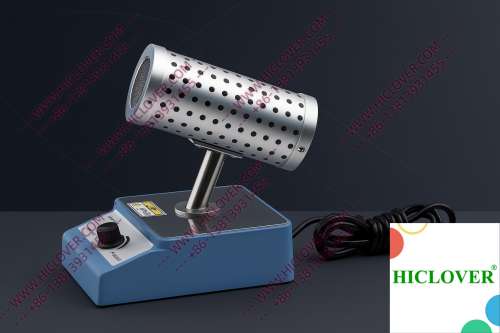
Micro Incinerators function on the principle of rapid thermal sterilization, utilizing infrared heat to achieve cleanliness in lab environments. The infrared heating method significantly reduces the time required for sterilization, enabling a quick turnaround while ensuring high efficacy. This is particularly important for inoculating loops, needles, and other lab apparatus that must be sterilized promptly to prevent cross-contamination.
The device features a specially designed enclosed ceramic tube, which serves as the heating chamber. The ceramic material supports even heat distribution and withstands high temperatures essential for thorough microbial disinfection. Unlike traditional flame sterilizers, which often produce aerosols and expose users to potential hazards, the Micro Incinerator ensures a clean and safe environment. This design revolutionizes sterilization practices in various scientific and educational settings.
Application Scenarios: Real Lab Use Cases
-
Biosafety Cabinets:
In biosafety cabinets where space and cleanliness are precious, the Micro Incinerator has emerged as an optimum solution. Researchers are able to handle tools without worrying about the immediate contamination risk posed by open flames. Moreover, this ensures compliance with safety protocols since no flame is present in these controlled environments.
-
Teaching Labs:
Academic institutions benefit greatly from using Micro Incinerators in teaching laboratories. Students can safely perform inoculations and transfers without the stigma of open flames, allowing for a more confidence-building experience as they learn essential laboratory skills.
-
What is a Micro Incinerator?
A Micro Incinerator is an advanced sterilization device that uses infrared heat to rapidly disinfect laboratory tools, minimizing contamination risks.
-
How does it work?
It functions by using infrared radiation within a ceramic heating chamber to sterilize inoculating loops and other instruments quickly and efficiently.
-
What are the safety benefits of using a Micro Incinerator?
The device eliminates the risks associated with open flames, such as fire hazards and aerosol production, making it ideal for a variety of laboratory settings.
-
Can I use it in a BSL-2 lab?
Yes, the Micro Incinerator is suitable for use in BSL-2 and BSL-3 laboratories, adhering to strict biosafety and sterilization protocols.
Compliance and Environmental Considerations
Global authorities such as WHO have established rigorous biosafety standards that laboratories must follow. These guidelines emphasize the necessity for clean and safe environments, particularly in clinical diagnostics and microbiological research. Traditional flame sterilizers often do not conform to these regulations in cleanrooms and labs where contamination control is paramount.
Furthermore, innovations like the Micro Incinerator not only comply with sterilization standards but also greatly reduce the risk of fire hazards. This is especially crucial in settings that utilize sensitive equipment such as CO₂ incubators or anaerobic chambers, where open flames could compromise results.
Advantages Over Traditional Flame Sterilizers
While flame sterilizers like alcohol lamps and Bunsen burners have been staples in laboratories, the Micro Incinerator exemplifies advancements in laboratory sterilization. Below is a comparative table highlighting key differences:
| Features | Micro Incinerator | Traditional Flame Sterilizers |
|---|---|---|
| Heating Method | Infrared | Open Flame |
| Safety | Low risk of ignition, aerosol-free | Heightened fire risk, aerosol production |
| Maintenance | Minimal | Higher maintenance due to soot and debris |
| Compliance | Meets WHO biosafety standards | Often non-compliant in cleanrooms |
Frequently Asked Questions
Conclusion: Elevate Your Sterilization Processes Today
As laboratories adapt to increasing demands for biosafety and sterilization efficacy, the Micro Incinerator / Infrared Inoculating Loop Sterilizer stands out as an essential tool. Its innovative design offers rapid thermal sterilization, improved safety, and compliance with international biosafety standards. If you’re ready to enhance your laboratory’s sterilization capabilities, contact us for more information on purchasing this cutting-edge device.
Categories:
Tags: