
In today’s rigorous laboratory environment, ensuring biosafety and contamination control is more critical than ever. Laboratories face a myriad of challenges, from maintaining sterile conditions during experiments to adhering to stringent sterilization workflow demands. This is where innovative sterilization equipment, such as the Micro Incinerator or Infrared Inoculating Loop Sterilizer, becomes essential.
What is a Micro Incinerator?
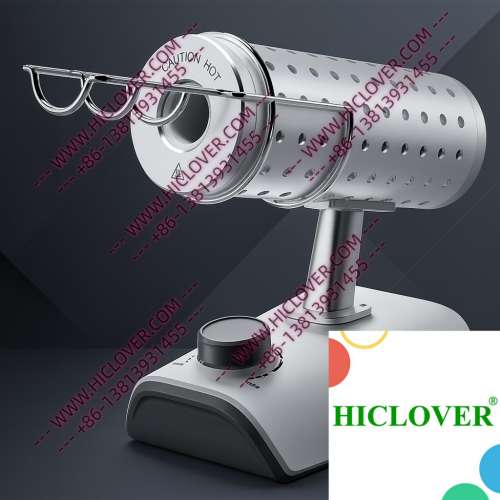
The Micro Incinerator is an advanced sterilization tool designed specifically for microbiological applications. Utilizing infrared heat, this device provides rapid thermal sterilization without the risks associated with traditional flame methods. The enclosed ceramic heating chamber of the incinerator offers safe, aerosol-free handling, making it ideally suited for use in various laboratory settings, including BSL-2 and BSL-3 microbiology labs.
Technical Principles of Operation
The main principle behind the Micro Incinerator lies in its use of high-temperature infrared radiation. When the inoculating loop is inserted into the ceramic tube, it is subjected to intense, focused heat, allowing for efficient and quick sterilization. This differs significantly from flame-based methods, which can expose the surrounding environment to harmful aerosols and create safety hazards due to the open flame.
Advantages Over Traditional Flame Sterilizers
- Reduced Contamination Risk: The closed design prevents contamination from combustion byproducts.
- Consistent Temperature Control: Infrared technology delivers a uniform heating profile for effective sterilization.
- Safer Operations: Eliminates the risk of fire hazards associated with flame-based sterilization.
- Time Efficiency: Rapid heating and cooling cycles minimize downtime in laboratory workflows.
Applications in Real Labs
Micro Incinerators have found their place in various laboratory environments. Two notable application scenarios include:
Biosafety Cabinets
In a biosafety cabinet, contamination control is paramount. Here, the Micro Incinerator facilitates the sterilization of inoculating loops and needles without disrupting the sterile airflow necessary for sensitive experiments. This protects both the samples and the personnel from potential exposure to biohazards.
University Teaching Labs
In educational settings, the Micro Incinerator serves as an excellent teaching tool. Students can safely learn sterile technique practices, understanding the importance of proper sterilization methods without the risks associated with alcohol lamps or Bunsen burners. This practical application enhances their learning experience while ensuring compliance with safety regulations.
Compliance with Biosafety Standards
Adhering to established biosafety standards is crucial for any laboratory. The Micro Incinerator aligns with WHO guidelines and laboratory sterilization standards, ensuring that sterilization processes are both effective and compliant. For example, traditional flame sterilizers can pose significant challenges in clean rooms where open flames are prohibited. The Micro Incinerator, however, provides a clean-bench-safe solution, making it an ideal choice for such environments.
Regional Regulatory Considerations
In regions like Europe and North America, laboratory safety regulations are stringent. The Micro Incinerator not only meets these regulatory requirements but also promotes best practices for contamination control in clinical diagnostics and research settings.
Comparison of Sterilization Methods
| Feature | Micro Incinerator | Flame Sterilizers |
|---|---|---|
| Temperature Control | Uniform and precise | Variable, depending on flame size |
| Contamination Risk | Minimal | High, due to aerosol production |
| Safety | Broader safety; no open flame | Potential fire hazards |
| Time Efficiency | Rapid | Slower due to flame setup |
FAQs about Micro Incinerators
1. How does a Micro Incinerator ensure effective sterilization?
The Micro Incinerator utilizes infrared heat for rapid thermal sterilization, achieving temperatures high enough to kill bacteria and other pathogens on inoculating loops.
2. Can the Micro Incinerator be used in field settings?
Yes, the portability and plug-and-play functionality of the Micro Incinerator make it suitable for field testing and mobile labs.
3. Why should I choose a Micro Incinerator over a traditional Bunsen burner?
Micro Incinerators provide a wider margin of safety, consistent temperature control, and reduced contamination risk, making them more effective in sterile environments.
4. Is a Micro Incinerator compliant with laboratory standards?
Absolutely. It meets WHO biosafety guidelines and other laboratory sterilization standards, making it a trustworthy choice for compliance.
5. How long does it take to sterilize an inoculating loop with a Micro Incinerator?
Sterilization typically takes just a few seconds, significantly improving workflow efficiency.
Conclusion
As laboratory safety and efficiency continue to be paramount, adopting innovative sterilization solutions like the Micro Incinerator is not just beneficial but necessary. If you are looking to enhance your laboratory’s sterilization protocols while ensuring compliance and safety, consider investing in a Micro Incinerator today. For inquiries and orders, please contact us to learn more about this essential laboratory equipment!
Categories:
Tags: