
Laboratory settings are often fraught with biosafety challenges that demand stringent sterilization protocols to minimize contamination and ensure reliable results. In particular, the efficient sterilization of inoculating loops is crucial in microbiology labs, where the risk of cross-contamination can compromise entire experiments. Traditional flame-based sterilizers, such as alcohol lamps and Bunsen burners, while widely used, pose risks associated with open flames and require constant monitoring during use. Enter the Micro Incinerator / Infrared Inoculating Loop Sterilizer, a modern solution that is transforming the way labs approach sterilization.
Understanding the Technical Principles
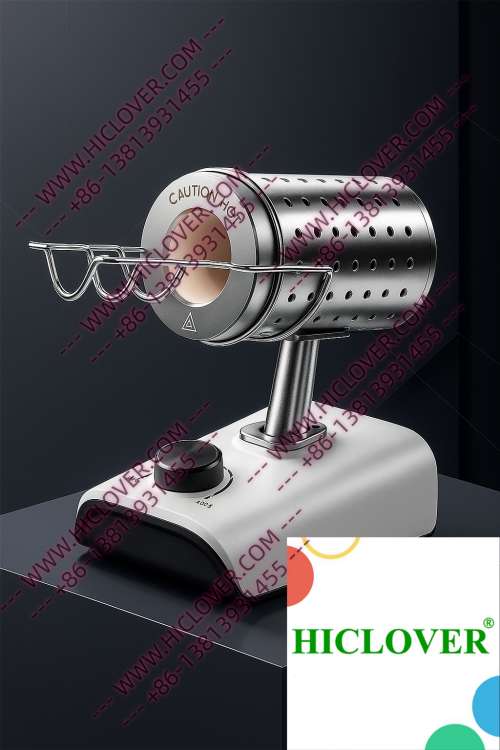
The Micro Incinerator utilizes infrared heat generated by a ceramic heating chamber to achieve rapid thermal sterilization. This technology offers an enclosed environment, allowing for high-temperature disinfection without the need for an open flame. Unlike traditional sterilizers, which can produce aerosols and risks of fire, this device provides a clean-bench-safe method of sterilizing inoculating loops, making it ideal for sensitive laboratory settings.
- Efficiency: The infrared heating method allows for thorough sterilization within seconds.
- Safety: The absence of open flames mitigates risks associated with fire hazards and unwanted contamination.
- Compact Design: The Micro Incinerator occupies minimal lab space and integrates easily into existing workstations.
- Temperature Control: Precise temperature settings ensure consistent sterilization outcomes based on your operational needs.
- WHO Biosafety Guidelines
- ISO 13485 for medical devices – focuses on sterilization control
- CDC Guidelines for Biosafety in Microbiological and Biomedical Laboratories
Typical Applications in Laboratories
Let’s explore some real-world applications where the Micro Incinerator excels, particularly in environments where contamination control is paramount.
1. Biosafety Cabinets
In BSL-2 and BSL-3 microbiology labs, the Micro Incinerator serves as a preferred sterilization solution. In these controlled environments, utilizing an electric sterilizer ensures that the integrity of the biosafety cabinet is maintained, reducing the risk of airborne contaminants. The high-temperature disinfection effectively eliminates microorganisms on inoculating loops without the production of fumes or aerosols that can overwhelm filtration systems.
2. Teaching Laboratories
University teaching labs, where students are trained in microbiological techniques, benefit greatly from the reliability of the Micro Incinerator. The ease of use and quick turnaround time allows students to focus on their experiments rather than worrying about the safety hazards associated with traditional flame sterilizers. The device’s user-friendly design enables seamless integration into hands-on learning experiences while maintaining high biosafety standards.
Compliance and Standards
Adhering to biosafety standards is essential in laboratory settings. The World Health Organization (WHO) recommends specific sterilization protocols to ensure effective contamination control. Many countries have stringent lab sterilization standards that prohibit the use of open flames in clean rooms and other sensitive areas. By utilizing electric sterilizers like the Micro Incinerator, laboratories can comply with these guidelines while enhancing operational safety. Additionally, this device is ideal for use in environments where CO₂ incubators or anaerobic chambers operate, as it prevents any undue combustion that could disrupt delicate experimental conditions.
Compliance Reference
Here are notable compliance references that affect sterilization practices:
Comparative Analysis: Micro Incinerator vs. Flame Burners
| Feature | Micro Incinerator | Flame Burners |
|---|---|---|
| Safety | No open flames | High risk of fire hazards |
| Efficiency | Rapid thermal sterilization in seconds | Delays due to flame control |
| Ease of Use | User-friendly controls | Requires skilled operation |
| Contamination Risk | Aerosol-free handling | Increased aerosol production |
FAQs
What is the average sterilization time for a Micro Incinerator?
The average sterilization time is about 5-10 seconds, ensuring quick turnaround for lab tasks.
Is it safe to use a Micro Incinerator in BSL-3 laboratories?
Yes, it is designed for use in BSL-3 environments, providing a safe sterilization method without an open flame.
Can the Micro Incinerator be used for other sterilization tasks?
While primarily designed for inoculating loops, it can also be effective for sterilizing small metal instruments.
What maintenance is required for the Micro Incinerator?
Regular cleaning and periodic inspections to ensure the heating element is functioning correctly are recommended.
How does the Micro Incinerator improve laboratory workflow?
Its rapid sterilization capability minimizes downtime, allowing for a more efficient workflow in laboratory processes.
Conclusion
The Micro Incinerator / Infrared Inoculating Loop Sterilizer presents a significant advancement in laboratory sterilization techniques. By combining efficiency, safety, and compliance, this innovative device meets the rigorous demands of modern labs while improving workflows and ensuring contamination control. For lab professionals looking to upgrade their sterilization processes, the Micro Incinerator is undoubtedly worth considering. Contact us today to learn more about this revolutionary product and how it can streamline your lab operations.
Categories:
Tags: