
In microbiological laboratories, maintaining high levels of biosafety and effective contamination control is paramount. Lab professionals routinely face challenges in ensuring rapid and efficient sterilization of inoculating loops and similar apparatus. When traditional flame sterilizers, such as Bunsen burners and alcohol lamps, fall short in efficiency and convenience, the necessity for advanced tools becomes evident. One such innovative solution is the Micro Incinerator or Infrared Inoculating Loop Sterilizer, known for its rapid thermal sterilization capabilities.
Understanding the Technical Principles
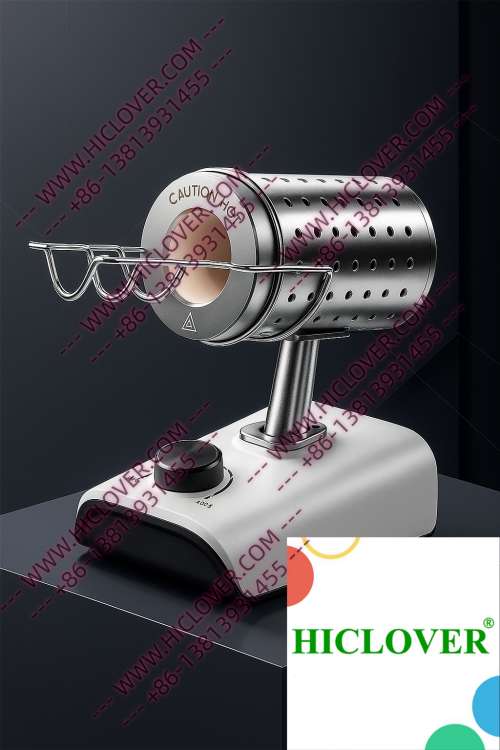
The Micro Incinerator operates on the principles of infrared heat and enclosed ceramic heating chambers. Unlike open flame sterilizers, which can pose risks in cleanroom environments, infrared sterilizers utilize a concentrated form of thermal energy to achieve high temperature disinfection quickly. The enclosed design minimizes exposure to particulates and enhances safety, particularly in sensitive environments such as Biological Safety Level (BSL) 2 and BSL-3 laboratories.
With a robust configuration that includes an advanced ceramic tube, the sterilizer provides a consistent and controlled heating environment. This technology enables users to achieve temperatures exceeding 800°C within seconds, making it a superior choice for laboratories where rapid processing times are essential for research and testing workflows.
Real-World Applications in Laboratories
Micro Incinerators offer versatility and efficiency in various laboratory settings. Here are two prominent application scenarios:
- Biosafety Cabinets: In BSL-2 and BSL-3 labs, where maintaining a sterile environment is critical, the Micro Incinerator provides a clean, flame-free option for sterilizing inoculating loops. This minimizes the risk of aerosol generation, a significant advantage in handling infectious agents.
- University Teaching Labs: In educational settings, instructors can demonstrate sterilization techniques without the safety concerns associated with open flames. The user-friendly design allows students to focus on techniques rather than managing fire hazards.
Compliance with Biosafety and Laboratory Standards
Adhering to WHO biosafety guidelines and other sterilization standards is critical for laboratories globally. In both clinical diagnostics and research settings, regulations dictate the necessity for effective sterilization methods that limit contamination risks. While traditional flame methods are effective, they are not ideal for cleanroom operations due to potential fire hazards and the release of aerosols.
Among the standards that govern laboratory practices, the following are notably relevant:
- World Health Organization (WHO) biosafety guidelines
- National Institute of Health (NIH) biosafety standards
- American National Standards Institute (ANSI) sterilization protocols
In highly controlled environments, the absence of flame not only ensures compliance but also fosters an atmosphere conducive to research integrity and safety.
Micro Incinerator vs. Traditional Flame Sterilizers
| Feature | Micro Incinerator | Flame Burners |
|---|---|---|
| Heating Speed | Rapid heating to over 800°C in seconds | Slower heating, potential for uneven temperatures |
| Contamination Control | Enclosed design minimizes aerosol generation | Open flames can produce aerosols, increasing contamination risk |
| Safety Features | No flame leads to safer operation in clean rooms | Risk of burns and fire hazards present |
| Ease of Use | Simple to operate, ideal for students | Requires careful handling and monitoring |
Frequently Asked Questions
- How long does it take for the Micro Incinerator to heat up?
It achieves sterilization temperatures in mere seconds, allowing for rapid workflow continuity.
- Can the Micro Incinerator be used in a biosafety cabinet?
Yes, its flame-free operation makes it ideal for use in biosafety cabinets where safety is paramount.
- What materials can be sterilized using this device?
The Micro Incinerator is suitable for metal inoculating loops, needles, and other heat-resistant lab tools.
- Is it easy to clean and maintain?
Yes, its ceramic construction ensures durability and easy maintenance compared to traditional flame sterilizers.
- How does the Micro Incinerator compare in cost-effectiveness?
The initial investment may be higher, but the reduction in operational costs due to increased sterilization efficiency often compensates over time.
Conclusion: Embrace the Future of Sterilization
As laboratories continue to prioritize biosafety and efficiency, the Micro Incinerator / Infrared Inoculating Loop Sterilizer stands out as a premier choice. By integrating advanced thermal sterilization technology, this equipment not only meets stringent compliance standards but also enhances the overall sterilization workflow. Whether in a university teaching lab, clinical diagnostics, or a mobile testing environment, its benefits are clear.
If you are looking to upgrade your laboratory sterilization equipment, we encourage you to contact us today for more information on how the Micro Incinerator can enhance your sterilization processes and contribute to laboratory safety.
Categories:
Tags: