
Laboratory environments today face numerous biosafety challenges that compel professionals to adopt innovative sterilization solutions. Standard flame sterilizers like alcohol lamps and Bunsen burners, while historically prominent, bring forth issues like contamination risk and thermal inconsistency. Enter the flame-free sterilizers, a shift towards advanced sterilization technology that enhances workflow efficiency and safety. This article delves into the principles, configurations, applications, and compliance standards of the Micro Incinerator / Infrared Inoculating Loop Sterilizer, a remarkable product for lab professionals.
Understanding the Technical Principles of Flame-Free Sterilization
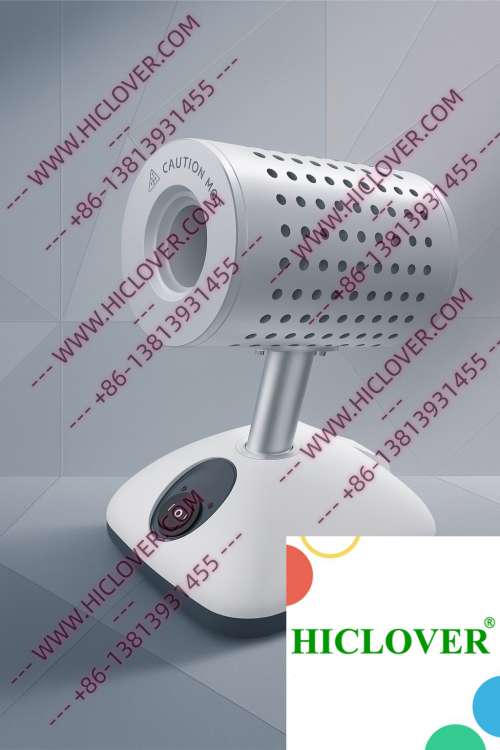
The Micro Incinerator utilizes infrared heat generated through a high-temperature ceramic heating chamber. Unlike traditional heat sources, infrared energy offers rapid thermal sterilization by delivering targeted heat directly to the instrument, ensuring efficient disinfection. This enclosed ceramic tube design significantly minimizes the risk of aerosol generation, which is a common concern with open flame methods.
Moreover, the absence of open flames presents a clean-bench-safe operation, making it perfect for contamination control in various laboratory setups.
Applications in Modern Laboratories
1. Biosafety Cabinets
In BSL-2 and BSL-3 microbiology labs, maintaining sterility is crucial for both personnel safety and experimental integrity. The Micro Incinerator is ideal for these environments, allowing quick sterilization of inoculating loops without exposing personnel to the risks associated with open flames. Its rapid turnaround time enhances lab efficiency, enabling researchers to focus on their work without lengthy gaps for sterilization.
2. Teaching Laboratories
University teaching labs also benefit significantly from flame-free sterilizers. Instructors can demonstrate aseptic techniques without the hazards of flame-based sterilization. Additionally, students are better protected from accidental burns as they practice sterile procedures. The clear visual feedback from the infrared heat allows students to observe when loops are adequately sterilized, thus improving learning outcomes.
Meeting Compliance and Environmental Standards
As laboratory sterilization standards evolve, the importance of adhering to compliance guidelines such as those set by the World Health Organization (WHO) and other regulatory bodies cannot be overstated. Flame-free sterilizers fit seamlessly into biosafety protocols intended for clean environments, where the use of open flames is prohibited. Certain settings—like clean rooms and CO₂ incubators—mandate sterilization methods that mitigate contamination risks, thereby paving the way for innovations such as infrared inoculating loop sterilizers.
Micro Incinerator: An Overview of Advantages Over Traditional Flame Sterilizers
The Micro Incinerator presents several advantages over conventional flame sterilizers:
- Safety: Minimizes risk of burns and fire hazards associated with open flames.
- Efficiency: Rapid thermal sterilization improves workflow without the need for lengthy cooling processes.
- Contamination Control: Reduces the risk of aerosols, ensuring a cleaner working environment.
- Portability: Lightweight and electric-powered, making it suitable for field testing and mobile operations.
Comparison: Micro Incinerator vs. Traditional Flame Burners
| Feature | Micro Incinerator | Traditional Flame Sterilizers |
|---|---|---|
| Heat Source | Infrared | Open Flame |
| Time Efficiency | Instant Heating | Requires pre-heating |
| Contamination Control | Aerosol-Free | High Risk |
| Safety for Users | Safe Handling | Burn Risk |
| Operational Environment | Cleanrooms/Biosafety Cabinets | Restricted |
Frequently Asked Questions
- What is a Micro Incinerator, and how does it work?
The Micro Incinerator is a flame-free sterilization device that uses infrared heat for rapid thermal sterilization of inoculating loops. - Can I use a Micro Incinerator in field testing?
Absolutely, the portability and efficiency of the Micro Incinerator make it perfect for mobile laboratory operations. - How does the Micro Incinerator ensure contamination control?
The design minimizes aerosol generation, ensuring the safe handling of instruments. - Is the Micro Incinerator compliant with laboratory safety standards?
Yes, it complies with WHO biosafety standards, making it suitable for use in clean environments. - Compared to traditional sterilizers, what are the major benefits?
The Micro Incinerator offers improved safety, efficiency, and contamination control.
Conclusion
As laboratory professionals seek sustainable and efficient sterilization solutions, flame-free sterilizers like the Micro Incinerator stand out for their advanced technology and improved safety features. Transitioning from traditional flame sources to such innovative solutions not only elevates laboratory performance but also adheres to modern compliance standards essential for high-quality research and operations. If you’re considering enhancing your laboratory’s sterilization workflow, don’t hesitate to connect with us today for expert advice or to make your purchase.
Categories:
Tags: