
In the world of laboratory operations, biosafety challenges are ever-evolving, with the need for enhanced sterilization workflows becoming more pronounced. Laboratories depend on sterilizing equipment that can ensure contamination control while adhering to stringent compliance regulations. The Micro Incinerator, or Infrared Inoculating Loop Sterilizer, emerges as a game-changing solution for countless laboratory scenarios, including BSL-2 and BSL-3 microbiological labs, clinical diagnostics, and university teaching laboratories.
Understanding the Principles of Infrared Sterilization
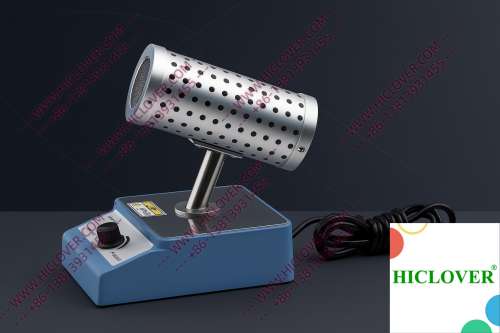
The Micro Incinerator operates on the technical principles of infrared heat dispersion and rapid thermal sterilization. This advanced technology employs an enclosed ceramic heating chamber, specifically designed for the even distribution of high-temperature heat without the open flame associated with traditional sterilization methods like Bunsen burners or alcohol lamps. Utilizing infrared radiation allows for a more controlled and consistent temperature, ensuring the sterilization of inoculating loops and other lab tools efficiently.
Why Choose Infrared Sterilization Over Traditional Methods?
Compared to conventional flame sterilizers, infrared sterilization presents several advantages:
- Consistency: Infrared sterilizers provide uniform heating, reducing the risk of missed spots that can harbor pathogens.
- Safety: The absence of an open flame minimizes fire hazards and is particularly vital in cleanroom environments.
- Environmental Impact: Infrared units often operate without the need for alcohol or flammable gases, aligning with eco-friendly laboratory practices.
- Efficiency: Infrared sterilizers reach operational temperatures swiftly, allowing for rapid workflow in busy lab environments.
- Biosafety Cabinets: Within biosafety cabinets, where contamination control is critical, the Micro Incinerator serves as an indispensable tool. Researchers can quickly sterilize inoculating loops to manipulate cultures confidently, minimizing the risk of bacterial cross-contamination.
- Mobile and Field Testing Labs: For field-based research, such as environmental monitoring or clinical diagnostics in remote locations, the compact design of the Micro Incinerator ensures portability without compromising sterilization efficiency. Field personnel can securely sterilize equipment on-site, facilitating immediate experiments and data collection.
Application Scenarios of the Micro Incinerator
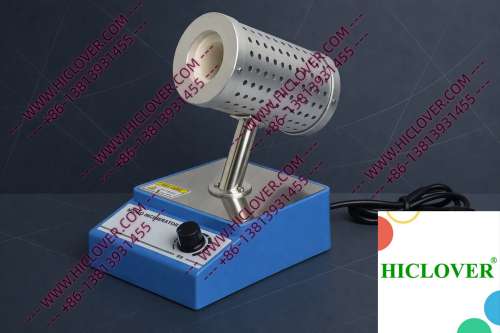
The Micro Incinerator’s versatility makes it an ideal choice across various laboratory settings. Here are two notable scenarios showcasing its impact:
Compliance and Environmental Considerations
Ensuring compliance with international biosafety and laboratory sterilization standards is imperative. Laboratories must adhere to guidelines set forth by organizations like the World Health Organization (WHO) to maintain safety and effectiveness in their operations. Employing sterilization methods that eliminate fire hazards is critical in cleanroom settings, where any open flame poses substantial risks.
Additionally, with increasing focus on reducing laboratory environmental footprints, the Micro Incinerator stands out as an eco-friendly option. It operates with minimal emissions and eliminates the need for hazardous chemicals, positioning it favorably against traditional flame sterilizers.
Micro Incinerator vs. Traditional Methods: A Comparison Table
| Features | Micro Incinerator | Flame Sterilizer |
|---|---|---|
| Heating Efficiency | Rapid thermal sterilization | Variable temperature, slower heating |
| Safety | No open flame, lower risk | Open flame, higher risk of fire |
| Eco-Friendliness | Minimal emissions | Dependence on flammable materials |
| Usability in Cleanrooms | Clean-bench-safe | Not suitable |
Frequently Asked Questions
1. How does a Micro Incinerator ensure effective sterilization?
The Micro Incinerator achieves effective sterilization by applying infrared heat that rapidly raises the temperature of the sterilizing element, ensuring the complete eradication of microbial life without the risks associated with open flames.
2. Can I use the Micro Incinerator in a BSL-3 laboratory?
Yes, the Micro Incinerator is suitable for use in BSL-3 laboratories, where advanced biosafety measures are essential. Its flame-free operation enhances safety while effectively sterilizing instruments.
3. What are the maintenance requirements for the Micro Incinerator?
Maintenance typically involves regular cleaning of the ceramic heating chamber and ensuring that all components are functioning correctly. Routine checks will optimize performance and longevity.
4. Is the Micro Incinerator portable for fieldwork?
Absolutely! The Micro Incinerator is designed for portability, making it an excellent option for mobile laboratories and field testing environments while delivering high-efficiency sterilization.
5. How do I ensure my lab complies with international guidelines when using a Micro Incinerator?
To ensure compliance, familiarize yourself with local biosafety regulations and adhere to WHO sterilization standards, integrating the Micro Incinerator into your existing protocols effectively.
Conclusion
The evolution of laboratory sterilization methods is paramount in addressing modern biosafety challenges. The Micro Incinerator / Infrared Inoculating Loop Sterilizer stands out as a highly effective, eco-friendly solution, seamlessly fitting into various laboratory settings. For laboratories aiming to improve their workflow efficiency while staying compliant with biosafety standards, investing in this advanced sterilization equipment is a strategic move. To learn more about the Micro Incinerator or to make a purchase, please reach out to us today for tailored solutions to meet your laboratory needs.
Categories:
Tags: