
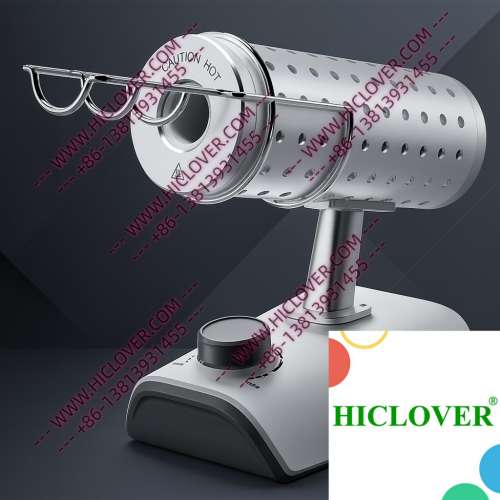
In the constantly evolving landscape of laboratory biosafety, the effectiveness and efficiency of sterilization techniques are paramount. With rising concerns regarding contamination in laboratory settings, scientists and researchers in Singapore face stringent sterilization workflow demands. The quest for reliable techniques that adhere to international safety protocols has led the biomedical community to adopt advanced tools such as the Micro Incinerator / Infrared Inoculating Loop Sterilizer.
Understanding Laboratory Sterilization Challenges
Modern laboratories in Singapore, whether in hospitals or educational institutions, grapple with various biosafety challenges. Ensuring a contamination-free environment is essential, especially when dealing with bacterial and viral cultures. Traditional methods of sterilization, such as alcohol lamps or Bunsen burners, present not only safety hazards but also inconsistencies in performance.
Researchers require tools that offer rapid thermal sterilization without the risks associated with open flames. This is where Infrared Inoculating Loop Sterilizers shine, combining safety, efficiency, and precision to cater to complex sterilization needs.
Technical Principles of Infrared Loop Sterilizers
The Micro Incinerator operates on the principle of infrared heating. It includes an enclosed ceramic tube that reaches high temperatures quickly, ensuring that inoculating loops and other implements achieve thorough disinfection.
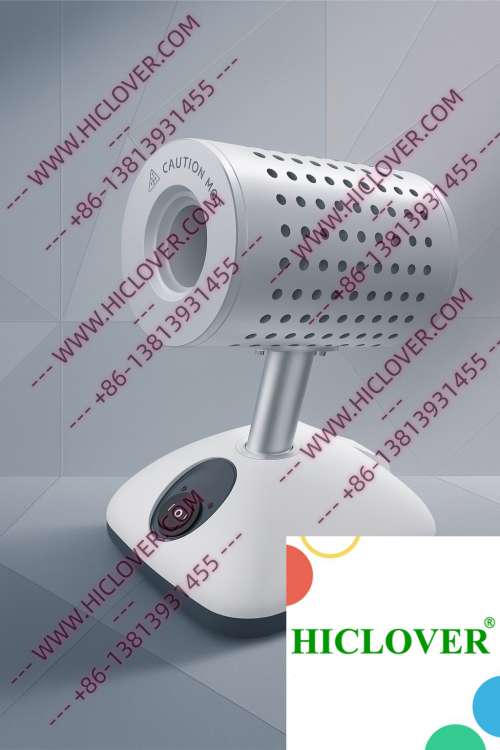
The benefits of infrared heat over conventional heating methods include:
- Rapid Heating: Infrared technology allows for immediate temperature rise.
- Consistent Output: Sterilization is reliable due to the uniform heat distribution.
- Aerosol-Free Handling: Reduces the risk of airborne pathogens during the sterilization process.
- Clean-Bench-Safe: No flames mean less risk of contamination in sterile environments.
Real-World Applications in Laboratories
Biosafety Cabinets
In BSL-2 and BSL-3 microbiology labs, where handling of pathogenic organisms is routine, the Micro Incinerator is invaluable. For instance, in clinical diagnostics, researchers often utilize this device within biosafety cabinets to ensure that all tools are sterilized before engagement with cultures. The certainty that comes with using a flame-free sterilizer contributes to maintaining the integrity of laboratory operations.
University Teaching Labs
Professor Lee from the National University of Singapore has integrated infrared inoculating loop sterilizers in her microbiology courses. The presence of these sterilizers not only streamlines the workflow during lab sessions but also educates students on the latest sterilization technologies. Instructors appreciate how easy it is to demonstrate proper sterilization techniques while adhering to best practices in biosafety.
Compliance with Biosafety Standards
The adoption of the Micro Incinerator aligns with global biosafety standards, including those outlined by the WHO. Traditional flame sterilization methods pose risks, particularly in clean rooms, where open flames are not permitted. Switching to infrared sterilization minimizes these risks while ensuring compliance with laboratory safety regulations.
Furthermore, these sterilizers minimize the production of harmful aerosols that can compromise air quality, a necessity in a city-state like Singapore, known for its stringent urban health regulations.
Micro Incinerator vs. Traditional Flame Sterilizers
| Feature | Micro Incinerator | Flame Sterilizer |
|---|---|---|
| Heat Source | Infrared Technology | Open Flame |
| Safety | Aerosol-free, Clean-bench-safe | Risk of fire hazards and contamination |
| Heating Time | Instant | Variable |
| Consistent Temperature Control | Yes | No |
| Usability in Clean Rooms | Yes | No |
Frequently Asked Questions
1. How does the Micro Incinerator ensure effective sterilization?
The device utilizes rapid thermal sterilization via infrared heating, ensuring that loops reach the necessary high temperatures quickly and consistently without the chaos of flames.
2. Is the Micro Incinerator suitable for use in BSL-3 labs?
Yes, the infrared inoculating loop sterilizer is designed for use in BSL-2 and BSL-3 laboratories, providing safety and compliance with stringent biosafety regulations.
3. What are the key advantages over traditional sterilizers?
Advantages include rapid heating, reduced risk of contamination, aerosol-free handling, and compliance in clean-room environments.
4. Can the Micro Incinerator be used in educational settings?
Absolutely! Its safety features and ease of use make it an excellent tool for teaching sterilization techniques in university labs.
5. How do I maintain the Micro Incinerator?
Regular cleaning and inspection of the ceramic tube and ensuring the power supply is undamaged will prolong the lifespan and efficiency of the device.
Conclusion
The integration of Micro Incinerators into laboratory practices represents a crucial step towards enhancing safety, compliance, and sterilization efficiency in Singapore’s medical community. Whether for educational purposes or high-stakes clinical diagnostics, transitioning from traditional flame-based sterilizers to infrared technologies is a definitive advantage.
To explore how Micro Incinerators can elevate your laboratory standards, contact us today for more information or to make a purchase.
Categories:
Tags: