
Laboratory biosafety challenges are becoming increasingly complex as sensitive procedures demand stringent sterilization protocols. Institutions are now leaning towards low-smoke solutions that not only enhance safety but also optimize workflow efficiency. One such revolutionary product that fulfills these needs is the Micro Incinerator or Infrared Inoculating Loop Sterilizer. This article delves into the critical science behind its operation, its applications in laboratories, compliance with global standards, and how it outperforms traditional flame sterilizers.
Principle of Operation: The Science Behind Micro Incinerators
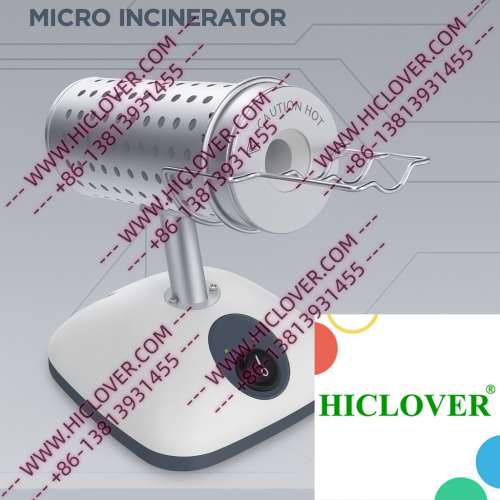
The Micro Incinerator employs infrared thermal technology to achieve rapid thermal sterilization, which is groundbreaking in the context of contamination control. At the core of its design is an enclosed ceramic heating chamber that utilizes infrared heat to achieve high temperatures quickly, allowing for effective disinfection without the risks associated with flames. Unlike traditional methods such as alcohol lamps and Bunsen burners that produce soot and flames, the Micro Incinerator minimizes aerosol generation and provides a clean-bench-safe environment.
Advantages Over Traditional Flame Sterilizers
- Safety: Eliminates the risk of laboratory fires and provides a safer environment for both personnel and samples.
- Efficiency: Heats up rapidly and maintains consistent temperatures, ensuring reliable sterilization within seconds.
- Cleanliness: No residue or soot remains, preserving the integrity of the workspace.
- Ease of Use: Simple operation requiring minimal training, making it accessible for various lab settings.
Application Scenarios in Real Laboratories
The versatility of the Micro Incinerator lends itself to various laboratory environments:
Biosafety Cabinets
In BSL-2 and BSL-3 microbiology labs, where the manipulation of potentially hazardous microorganisms occurs, the Micro Incinerator offers a crucial advantage. By providing a flame-free method for sterilization, it not only helps maintain a sterile environment but also enhances compliance with regulations that require low-smoke solutions. It’s vital in ensuring that a clean work surface is maintained, and the risk of contamination is reduced when handling pathogens.
University Teaching Labs
In academic settings, particularly in university teaching labs, the Micro Incinerator enhances student experiences while prioritizing safety. As students learn aseptic techniques, having a reliable and safe sterilization tool enables them to focus on the science rather than the hazards associated with traditional flame sterilization. This application is vital for fostering an educational environment where safety and learning go hand-in-hand.
Compliance and Environmental Considerations
As laboratories around the globe strive to adhere to WHO biosafety standards and various national regulations, the role of sterilization equipment is paramount. The Micro Incinerator meets compliance standards effectively and is deemed essential in environments where open flames would hinder compliance such as in clean rooms or controlled laboratory environments. Additionally, reduced emissions contribute positively to laboratory air quality and align with eco-friendly practices.
Biosafety Compliance Reference
| Feature | Micro Incinerator | Flame Burners |
|---|---|---|
| Smoke Emissions | Low | High |
| Odor Production | Minimal | Significant |
| Heating Time | Seconds | Minutes |
| Hazard Potential | Low | High |
FAQs About Micro Incinerators
What materials can be sterilized using a Micro Incinerator?
The Micro Incinerator is ideal for sterilizing inoculating loops, needles, and other lab tools made of metal.
Is the Micro Incinerator suitable for use in clinical diagnostics?
Absolutely. The device ensures a sterile technique while minimizing contamination risks, making it perfect for clinical laboratories.
How does the Micro Incinerator improve lab workflows?
Due to its rapid heating capabilities, the Micro Incinerator streamlines the sterilization process, allowing for more efficient use of time and resources.
Does using a Micro Incinerator contribute to laboratory safety?
Yes, its low-emission design reduces the risk of fire hazards, contributing to a safer laboratory environment.
Can the Micro Incinerator be used in field testing laboratories?
Indeed, its portability and quick setup make it a practical choice for mobile labs conducting field testing in remote locations.
Conclusion: The Future is Low-Smoke Sterilization
The Micro Incinerator or Infrared Inoculating Loop Sterilizer represents a significant advancement in laboratory sterilization technology. With its rapid thermal sterilization and compliance with biosafety norms, it offers a strategic advantage in modern laboratories. For organizations that value safety and efficiency, investing in a Micro Incinerator is a step forward in creating a cleaner, safer work environment. If you’re interested in this game-changing equipment, we encourage you to reach out for a consultation or to discuss your procurement needs.
Categories:
Tags: