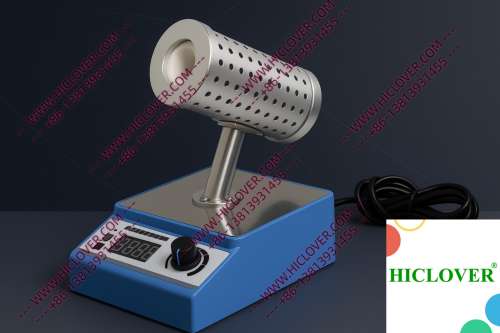
In the world of laboratory diagnostics, achieving optimal biosafety is paramount. Laboratories consistently face challenges such as contamination control, workflow efficiency, and adherence to stringent sterilization standards. As the demand for reliable sterilization techniques rises, the spotlight falls on cutting-edge equipment like the Micro Incinerator or Infrared Inoculating Loop Sterilizer. These devices offer a swift and efficient means of disinfection, critical for various laboratory applications.
Understanding Infrared Sterilization Technology
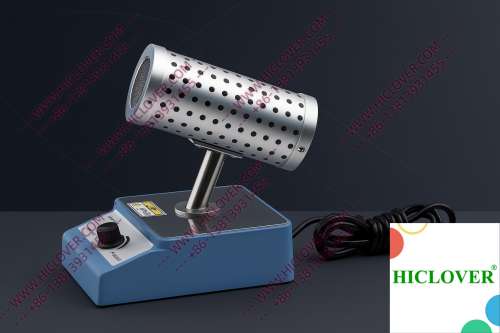
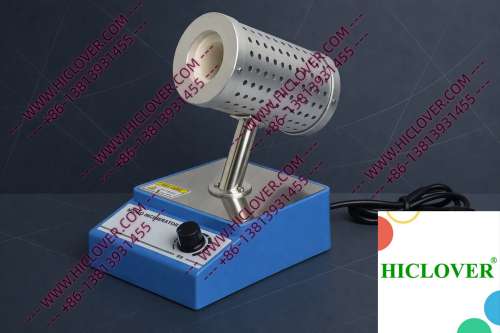
The Micro Incinerator technology harnesses the principles of infrared heating to achieve rapid thermal sterilization. Unlike traditional flame sterilizers such as alcohol lamps or Bunsen burners, the Micro Incinerator employs an enclosed ceramic heating chamber that focuses infrared energy directly onto surfaces. This method allows for high-temperature disinfection without the risk of flame and associated aerosols, making it exceptionally compliant with clean room protocols.
- Rapid Sterilization: Infrared sterilizers can reach temperatures of up to 800°C within seconds, ensuring minute-to-minute disinfection.
- Clean-Bench-Safe: The absence of open flames allows for use in biosafety cabinets without compromising sterile environments.
- Efficient Handling: The design minimizes the risk of aerosol generation during sterilization.
Application Scenarios in Real Labs
1. University Teaching Labs
In educational settings, where students are introduced to microbiological techniques, the Micro Incinerator serves as an invaluable tool. For instance, students working on microbial cultures can use the sterilizer to immediately sterilize inoculating loops before transferring specimens to Petri dishes. This ensures that students not only learn proper technique but also understand the significance of maintaining sterile conditions.
2. BSL-2 Microbiology Labs
Biosafety Level 2 (BSL-2) laboratories often handle pathogens that require greater control measures. A Micro Incinerator is perfect for these environments. Researchers can easily sterilize tools when transitioning between samples, significantly reducing cross-contamination risks. Furthermore, these devices comply with specific laboratory sterilization standards, affirming their role in high-stakes environments.
Compliance and Environment Considerations
When it comes to lab sterilization, compliance with health and safety regulations is essential. Organizations like the World Health Organization (WHO) establish guidelines to ensure that laboratories operate within safe parameters. The Micro Incinerator meets these compliance requirements thanks to its efficient and clean operation, eliminating the risks associated with open flames in clean rooms and BSL environments.
Comparison: Micro Incinerator vs. Flame Sterilizers
| Feature | Micro Incinerator | Flame Sterilizers |
|---|---|---|
| Safety | Flame-free operation minimizes risk of burns and fire hazards. | Open flame poses a fire risk and may cause burns. |
| Temperature Control | Consistent high-temperature sterilization up to 800°C. | Variable; relies on user experience for effective sterilization. |
| Contamination Risk | Reduced aerosol generation enhances contamination control. | Aerosol particles can contaminate surrounding areas during use. |
| Efficiency | Instant sterilization; ready for use in seconds. | Slower heating time; requires time to achieve desired temperature. |
FAQs About Micro Incinerators
1. What is the primary advantage of using a Micro Incinerator over traditional sterilizers?
The primary advantage lies in its rapid thermal sterilization capabilities combined with the absence of open flames, enhancing user safety and environmental control.
2. Can the Micro Incinerator be used in field testing scenarios?
Yes, its portability and high-temperature capabilities make it ideal for mobile field applications where reliable sterilization is essential.
3. Is the Micro Incinerator compliant with ISO and WHO standards?
Absolutely, it meets various international health guidelines, ensuring laboratory operations adhere to strict biosafety standards.
4. How do I maintain my Micro Incinerator for longevity?
Regular cleaning and avoiding extreme temperature changes are essential for maintaining the efficiency and lifespan of your device.
5. Are there size variations available for different laboratory needs?
Yes, Micro Incinerators come in several configurations, making them adaptable to various lab settings, from small teaching labs to large BSL-2 facilities.
Conclusion
The move towards infrared sterilization signifies a forward-thinking approach in laboratory diagnostics, particularly in environments where safety and efficiency are critical. The Micro Incinerator/Infrared Inoculating Loop Sterilizer stands out due to its high safety features, rapid sterilization, and compliance with stringent regulations. If you are looking to enhance your laboratory’s sterilization protocols and ensure biosafety compliance, consider investing in this innovative sterilization equipment. For more information and to discuss your specific needs, feel free to contact us today!
Categories:
Tags: