
In today’s highly regulated scientific environment, laboratory biosafety challenges and the demand for stringent sterilization workflows play a pivotal role in ensuring operational efficiency. Microbiology labs, particularly those operating under Biosafety Level 2 (BSL-2) and Level 3 (BSL-3) standards, face intense pressure to maintain a sterile environment to prevent contamination of samples and protect personnel. One indispensable tool in these laboratories is the Micro Incinerator / Infrared Inoculating Loop Sterilizer, which gamely addresses these challenges while enhancing workflow effectiveness.
Technical Principles Behind Infrared Sterilization
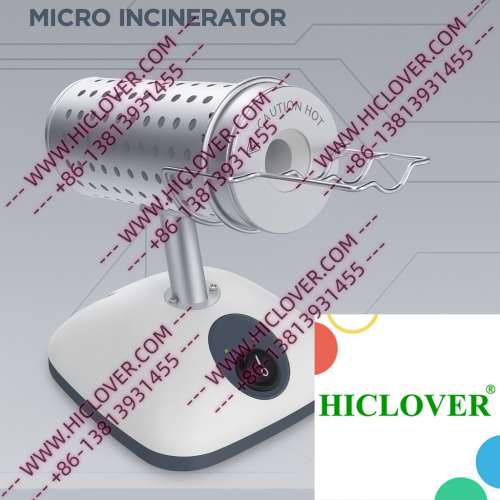
Understanding the technical principles of these sterilizers reveals why they are a preferred choice in advanced laboratories. The Micro Incinerator utilizes rapid thermal sterilization through an enclosed ceramic tube, which produces infrared heat to achieve high temperatures quickly and effectively. Unlike traditional flame sterilizers such as alcohol lamps and Bunsen burners, which pose risks of flame hazards, the Micro Incinerator provides a flame-free operation that significantly minimizes the risk of aerosol formation and cross-contamination.
The infrared technology allows for precise temperature control, ensuring that the inoculating loops are sterilized efficiently without damaging the surrounding equipment or contaminating the sterile environment. The enclosed design of the ceramic heating chamber also ensures that any potential fallout from the sterilization process is contained within the device, enhancing the safety of the laboratory environment.
Applications in Real Laboratories
The versatility of the Micro Incinerator makes it an invaluable asset for various laboratory environments. Here are two typical applications:
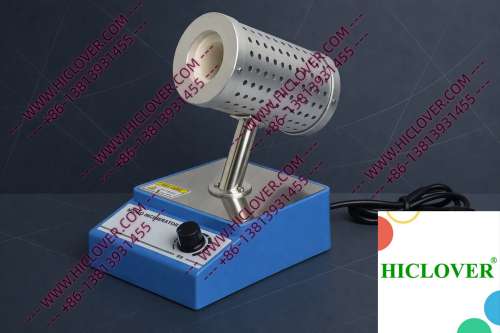
- Biosafety Cabinets: In BSL-2 and BSL-3 microbiology labs, where the risk of handling pathogenic microorganisms is heightened, the Micro Incinerator operates seamlessly within biosafety cabinets. Researchers can efficiently sterilize inoculating loops without disrupting the sterile airflow, thus preventing contamination during microbial transfer.
- Teaching Labs: University teaching labs focusing on microbiology benefit from the Micro Incinerator’s ease of use and safety features. As students practice aseptic techniques, the technology eliminates the risks associated with flame sterilization, permitting a more educationally enriching and secure learning environment.
Compliance and Environmental Considerations
Compliance with international and national biosafety standards is paramount for any laboratory. The World Health Organization (WHO) details rigorous biosafety regulations that laboratories must adhere to when engaging in microbiological work. The Micro Incinerator meets these compliance requirements by providing a safe and effective means of sterilization free from open flames, which are prohibited in clean room operations. Furthermore, its use aligns with laboratory sterilization standards that demand stringent disinfection techniques to reduce potential risks associated with infectious agents.
Laboratories in regions like the United States and Europe must conform to local regulatory bodies’ guidelines, further emphasizing the necessity of adopting advanced sterilization technologies like the Micro Incinerator. This compliance not only secures lab safety but also enhances credibility with peers and regulatory agencies.
Comparison: Micro Incinerator vs. Flame Sterilizers
| Features | Micro Incinerator | Flame Sterilizers |
|---|---|---|
| Method of Sterilization | Infrared heat | Open flame |
| Safety | Flame-free operation | Risk of burns and contagious aerosol generation |
| Temperature Control | Rapid thermal adjustment | Difficult to control |
| Environmental Contamination | No aerosol particles | Higher risk of contamination |
| Energy Efficiency | Low energy consumption | High energy consumption |
FAQs about Micro Incinerators
What is the primary benefit of using a Micro Incinerator in laboratories?
The Micro Incinerator provides rapid and efficient sterilization without the hazards associated with open flames, ensuring higher levels of safety and contamination control.
What types of environments can benefit from a Micro Incinerator?
Micro Incinerators are ideal for BSL-2 and BSL-3 labs, university teaching facilities, and even mobile field testing setups where sterilization is critical.
Can Micro Incinerators be used for other sterilization purposes?
Yes, they are versatile and can sterilize various inoculating tools and laboratory utensils that require precise temperature conditions.
How does the Micro Incinerator comply with WHO guidelines?
It operates without an open flame, aligning with WHO biosafety principles to minimize contamination risk in laboratory environments.
Is the Micro Incinerator easy to maintain?
Absolutely! Its design includes minimal components, making it easy to clean and maintain, which is essential for ongoing laboratory operations.
Conclusion
Incorporating a Micro Incinerator / Infrared Inoculating Loop Sterilizer into your laboratory workflow not only enhances safety and compliance but also boosts operational efficiency. As contamination control becomes increasingly critical in microbiological work, investing in advanced sterilization technology can be a game-changer for laboratories across various sectors, including clinical diagnostics, research institutions, and educational facilities. For more information or to explore purchasing options, please reach out to us today.
Categories:
Tags: